
Jefferson County Municipalities Drive Local Economic Success Through Tourism, Tax Structures, and Cultural Events
Five Jefferson County municipalities—Arvada, Edgewater, Golden, Lakewood, and Wheat Ridge—turn cultural tourism into municipal revenue.

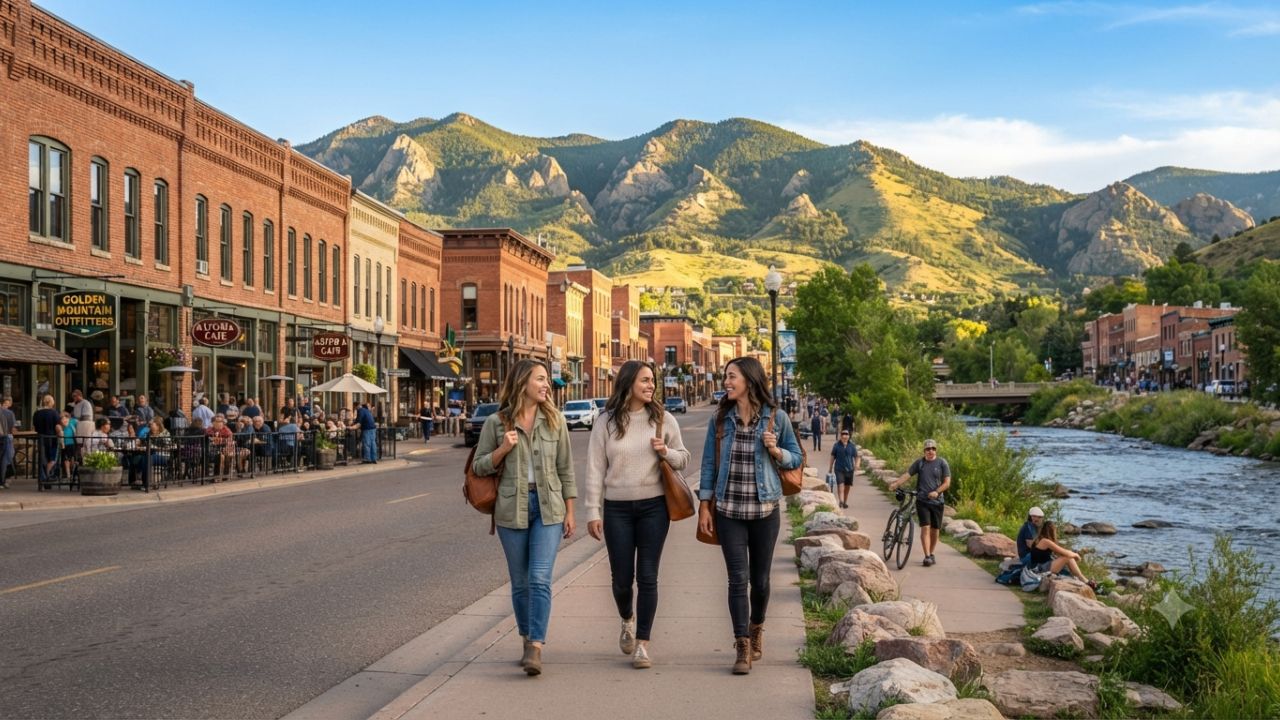
Image generated by AI
Five core municipalities across Jefferson County, Colorado—Arvada, Edgewater, Golden, Lakewood, and Wheat Ridge—are transforming visitor traffic into sustainable local revenue through strategic tax structures, transit connectivity, and commercial revitalizations.
Against the backdrop of Colorado’s $29.2 billion statewide tourism economy, local municipal financial data highlights how suburban cities along the western fringe of the Denver metropolitan area capture non-resident spending. By deploying targeted lodging taxes, specialized event licensing, and park user fees, local governments offset infrastructure maintenance costs while keeping resident property taxes stable.
Arvada Leverages Olde Town Culture and G Line Commuter Rail
As an independent home-rule municipality, Arvada anchors its tourism revenue in Olde Town Arvada, a historic district featuring craft breweries, independent boutiques, and the Arvada Center for the Arts and Humanities. Year-round street festivals, seasonal farmers markets, and holiday celebrations generate high consumer sales velocity across local businesses.
Arvada enforces a 3.46 percent municipal sales tax, a 2 percent lodging tax, and a 4 percent admissions tax. When combined with state and county levies, the baseline consumer sales tax sits at approximately 7.96 percent depending on commercial blocks. Transit-oriented development along the RTD G Line commuter rail directly connects downtown Denver to Olde Town, driving steady short-stay hotel lodging tax collections.
Edgewater Capitalizes on Sloan's Lake Proximity and High-Density Retail
Geographically compact Edgewater generates outsized commercial returns due to its location along Sloan’s Lake on the eastern border of Jefferson County. The city’s commercial anchor, the Edgewater Public Market, functions as a high-density food hall and retail incubator that collects significant food and beverage sales taxes.
With a competitive combined sales tax rate hovering between 7.5 and 7.9 percent, Edgewater captures valuable spillover leisure crowds and short-term rental lodging revenue from visitors attending events across the western Denver metro area.
Golden Combines Coors Brewery, Red Rocks Proximity, and River Recreation
Golden, the historic county seat, functions as a major tourism hub powered by global landmarks including the Coors Brewery, nearby Red Rocks Amphitheatre, the Colorado School of Mines, and the Clear Creek Whitewater Park. Annual events such as Buffalo Bill Days draw hundreds of thousands of visitors into the municipality.
Operating under a 7.5 percent combined sales tax rate, Golden captures substantial lodging revenue across its mix of downtown boutique inns and national hotel flags. Furthermore, municipal parking structures, event vendor permits, and summer water tubing activities along Clear Creek yield direct user-fee revenues that fund local park maintenance.
Lakewood Deploys Belmar Retail and Bear Creek Lake Park Facilities
As Jefferson County’s largest municipality, Lakewood balances high-volume retail tax yields with corporate travel lodging along 6th Avenue and Interstate 70. Belmar, an open-air downtown district featuring shopping, dining, and entertainment, hosts large-scale art festivals and winter ice-skating attractions that generate continuous sales tax turnover.
Simultaneously, outdoor facilities like Bear Creek Lake Park collect daily vehicle entrance and camping fees from regional outdoor enthusiasts. Highway-adjacent hotel corridors capture both corporate business delegates and mountain-bound tourists, ensuring reliable year-round lodging tax yields for municipal services according to data from the Colorado Department of Revenue.
Wheat Ridge Revitalizes Historic 38th Avenue Commercial Corridors
Wheat Ridge stimulates local micro-economies by investing in targeted commercial revitalization zones along historic arteries like 38th Avenue. The corridor features specialty dining, craft distilleries, and antique storefronts that anchor community street festivals and classic car shows.
By nurturing independent small businesses and capturing daily commuter spending between Arvada, Lakewood, and Denver, Wheat Ridge maintains municipal growth without relying on heavy industrial zoning.
Comparative Overview of Jefferson County Municipal Revenue Models
| City / Municipality | Key Tourism & Cultural Anchors | Local Tax Structure / Rates | Primary Revenue Mechanism |
|---|---|---|---|
| Arvada | Olde Town, G Line Rail, Arvada Center | 3.46% Sales, 2% Lodging, 4% Admissions (~7.96% total) | Transit-oriented retail & lodging taxes |
| Edgewater | Sloan's Lake, Edgewater Public Market | ~7.5% – 7.9% Combined Sales Tax | High-density food & beverage sales velocity |
| Golden | Coors Brewery, Red Rocks, Clear Creek | 7.5% Combined Sales Tax | Hotel lodging taxes & outdoor recreation permits |
| Lakewood | Belmar District, Bear Creek Lake Park | 6th Ave & I-70 Hotel Corridor Levies | Highway corporate lodging & park entrance fees |
| Wheat Ridge | 38th Avenue Historic District | Revitalization Zone Sales Taxes | Micro-economy street festivals & craft retail |
Frequently Asked Questions
How do Jefferson County cities generate revenue from tourists?
Jefferson County municipalities generate revenue primarily through local lodging taxes on hotel and short-term rental stays, retail and food sales taxes during major festivals, and specialized user fees for park entrance and parking.
What is the sales tax rate in Olde Town Arvada?
Olde Town Arvada operates with a 3.46 percent municipal sales tax, a 2 percent lodging tax, and a 4 percent admissions tax, creating a total baseline consumer sales tax of approximately 7.96 percent.
What anchors tourism in Golden, Colorado?
Golden’s tourism is anchored by the Coors Brewery, proximity to Red Rocks Amphitheatre, the Colorado School of Mines, and outdoor recreation along the Clear Creek Whitewater Park.
How does transit-oriented development impact Arvada's economy?
The RTD G Line commuter rail connects downtown Denver directly to Olde Town Arvada, facilitating car-free visitor access that directly increases weekend retail sales and short-stay lodging tax collections.
Related Travel Guides
Disclaimer
This article is for informational and educational purposes only. It does not constitute legal, financial, or professional advice. While we strive to provide accurate and up-to-date information, travel policies, regulations, and conditions change rapidly. Always verify information with official sources before making travel decisions. Nomad Lawyer makes no representations about the accuracy, reliability, completeness, or suitability of the information provided. Readers should consult qualified professionals for advice specific to their circumstances. The views expressed in this article are those of the author and do not necessarily reflect the views of Nomad Lawyer.
Kunal K Choudhary
Co-Founder & Contributor
A passionate traveller and tech enthusiast. Kunal contributes to the vision and growth of Nomad Lawyer, bringing fresh perspectives and driving the community forward.
Learn more about our team →