
Jazan's Chaste Tree Revolution: How Saudi Arabia's Native Flora Is Redefining Eco-Tourism Under Vision 2030
Saudi Arabia's Jazan region is leveraging its native chaste tree biodiversity to pioneer sustainable eco-tourism, aligning with Vision 2030 and creating economic opportunities for local communities.

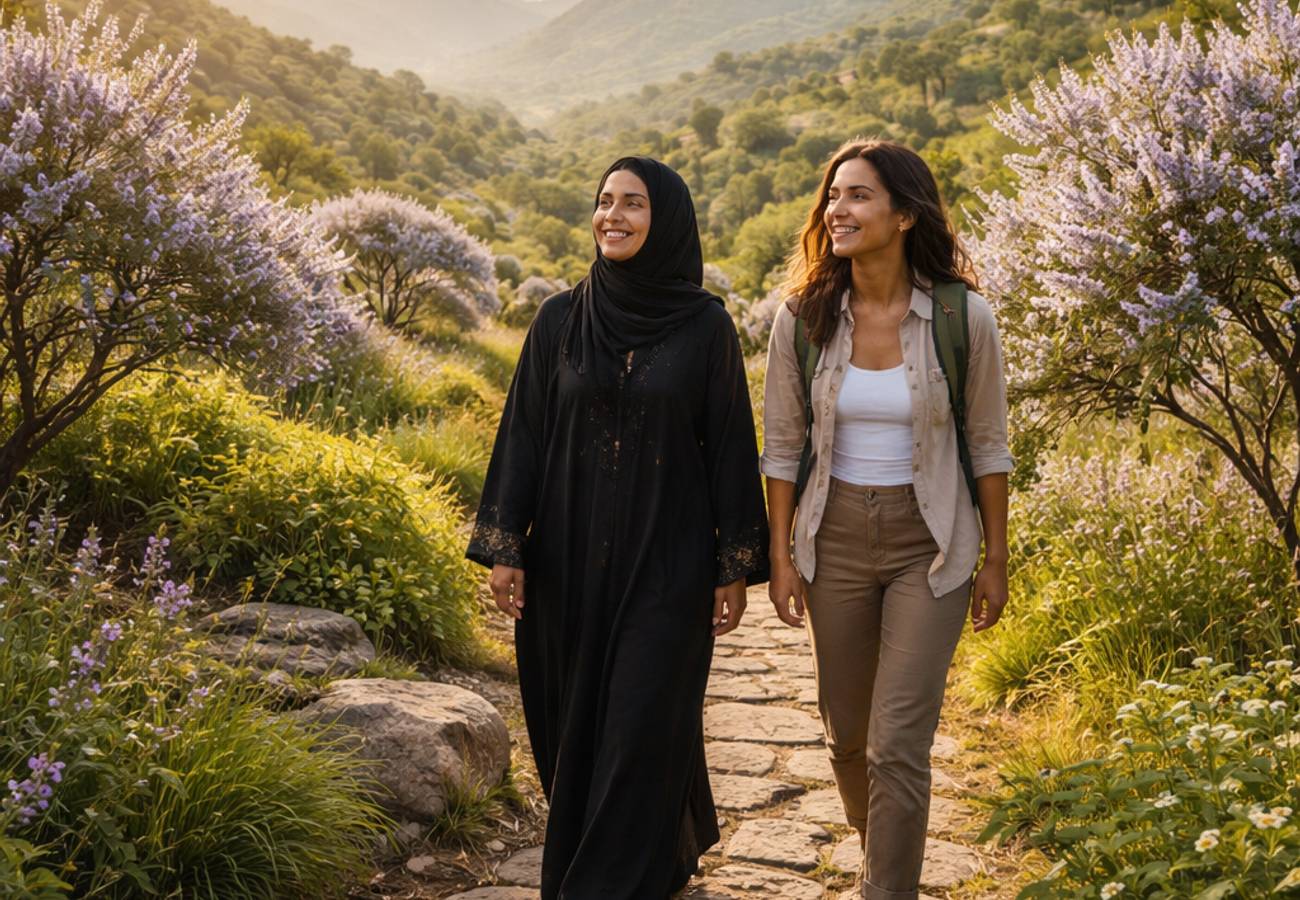
Image generated by AI
A Botanical Treasure Emerges in Southwest Saudi Arabia
Jazan, one of southwestern Saudi Arabia's most ecologically diverse regions, is quietly revolutionizing the nation's approach to sustainable tourism. At the heart of this transformation lies an unassuming but remarkable native plant: the chaste tree (Vitex agnus-castus), a fragrant shrub that now serves as the symbolic cornerstone of a broader eco-tourism strategy aligned with Saudi Vision 2030.
What makes this development particularly compelling is how a single botanical species is catalyzing an entire regional tourism pivot. Instead of relying solely on conventional hospitality models, Jazan is pioneering a conservation-first approach to visitor experiences—one that rewards both nature enthusiasts and local communities economically.
Reddit: "The chaste tree blooming season in Jazan is absolutely stunning. Finally, a region developing tourism around actual ecosystems rather than just resorts." — r/sustainable-travel
The Chaste Tree: Nature's Multitasking Asset
The chaste tree (Vitex agnus-castus) belongs to the Verbenaceae family and thrives across Jazan's river valleys, agricultural plains, and rural peripheries. This deciduous species typically reaches 2.5 to 4 meters in height and features distinctive palm-shaped compound leaves with five to seven leaflets.
But it's the flowering season that truly captures visitor imagination. Dense flower clusters ranging from mauve to violet create photogenic landscapes that have already begun attracting nature photographers, botanists, and cultural heritage tourists seeking authentic engagement with regional ecosystems.
Beyond aesthetics, the chaste tree plays a critical ecological role. Its presence supports native wildlife, provides shelter for birds and insects, and contributes directly to ecosystem resilience—making it far more than decorative flora. This functional biodiversity strengthens Jazan's entire environmental health profile, a factor that international eco-tourism operators increasingly prioritize when evaluating destination viability.
Biodiversity as Economic Engine
Jazan's authorities recognize that native vegetation creates measurable tourism value. Rather than clear land for generic resort development, the region is strategically protecting and promoting its botanical landscape as a differentiated market offering.
The ecological distribution of the chaste tree across diverse habitats means multiple tourism product categories can now operate simultaneously:
Botanical trails and guided ecological tours engage university students, environmental researchers, and conservation-focused travelers. Photography excursions during peak flowering season draw digital content creators and Instagram-savvy visitors. Birdwatching and wildlife observation activities appeal to ornithologists and nature enthusiasts. Cultural heritage walks integrating local ethnobotanical knowledge blend natural exploration with storytelling—creating layered experiences that justify longer stays and higher per-visitor spending.
This diversification fundamentally shifts Jazan's economic model. Instead of competing with luxury beach resorts in other Gulf destinations, the region occupies a unique niche: authentic, low-impact nature tourism that attracts a demographic willing to pay premium rates for genuine conservation engagement.
Cultural Narrative: Where Heritage Meets Botany
The chaste tree carries deep significance in regional folklore and traditional practices. Local communities have historically valued the tree for its aromatic qualities and ethnobotanical applications—knowledge that now becomes a tourism asset rather than merely cultural memory.
This heritage dimension transforms visitor experiences from transactional to educational. Tourists don't simply observe flora; they learn the human stories that have shaped these landscapes across centuries. A guided walk becomes a conversation about traditional plant knowledge, regional history, and contemporary conservation challenges.
Tourism experts increasingly recognize this model as "experiential authenticity"—experiences that feel genuine because they're rooted in actual cultural practices rather than manufactured attractions. Jazan's integration of botanical discovery with heritage storytelling creates exactly this positioning.
Vision 2030: Aligning Flora With National Strategy
Saudi Vision 2030 explicitly prioritizes economic diversification beyond petroleum, environmental conservation, and enhanced global positioning. Jazan's eco-tourism development directly advances all three objectives simultaneously.
By positioning native vegetation as a central tourism asset, Jazan demonstrates how conservation can drive economic growth. The strategy generates multiple revenue streams: tourism services, hospitality employment, guide training programs, and ecological monitoring contracts. Local communities gain economic incentives to protect rather than clear native vegetation—creating sustainable conservation alignment.
According to tourism development frameworks, regions that integrate biodiversity protection into tourism planning see 15-25% higher long-term visitor growth compared to conventional models. Jazan's approach follows this evidence-based pathway.
The international positioning benefits are equally significant. As Western and Asian markets increasingly prioritize sustainable travel, positioning Jazan as a model eco-tourism destination enhances Saudi Arabia's global brand. This reputational capital attracts both visitors and tourism investment capital specifically seeking environmentally responsible opportunities.
Economic Impact: Quantifying Sustainability
The anticipated economic effects of Jazan's eco-tourism expansion are concrete and measurable:
Visitation growth is expected to increase substantially among nature enthusiasts and domestic tourists previously traveling to other Gulf destinations. Product diversification—guided tours, educational programs, botanical research facilities—creates higher per-visitor revenue. Employment generation in eco-lodges, local guide services, and hospitality roles directly benefits rural communities. Global reputation enhancement positions Jazan as a differentiated destination in competitive tourism markets.
Most critically, environmental conservation becomes economically rational. As tourism revenue grows, protecting the chaste tree and surrounding biodiversity becomes a financial priority for local stakeholders. Communities gain direct economic incentive to prevent degradation—a mechanism far more sustainable than external conservation mandates.
Conservation Infrastructure: Making Eco-Tourism Real
Strategic planning transforms botanical potential into visitor reality. Jazan's development strategy includes:
Accessible nature trail networks designed for visitors with varying mobility levels. Interpretive signage explaining botanical, ecological, and cultural significance at key sites. Local guide training programs ensuring knowledgeable, community-based visitor engagement. Flora protection protocols that prevent over-harvesting or trampling from increased foot traffic. Monitoring systems tracking ecosystem health and adjusting tourism intensity accordingly.
This infrastructure-first approach distinguishes authentic eco-tourism from greenwashing. Jazan isn't simply claiming to be green; it's building systems that ensure environmental protection actually occurs beneath tourism activity.
Rural Integration: Agriculture Meets Adventure
Jazan's unique advantage lies in the integration of natural flora, agricultural systems, and rural livelihoods. Unlike some eco-tourism destinations that create artificial nature experiences separated from human activity, Jazan's strategy maintains authentic connections between biodiversity and working communities.
Visitors experience genuine rural life—watching agricultural practices, interacting with farming families, understanding how traditional land use has shaped current ecosystems. This authenticity is increasingly valuable as global travelers seek genuine cultural immersion rather than staged encounters.
The Chaste Tree as Symbolic Catalyst
The chaste tree symbolizes Jazan's broader transformation: a native species that was historically overlooked now becoming central to regional identity and economic strategy. Its recovery from potential marginalization mirrors larger trends in sustainable development—valuing what already exists rather than imposing external models.
As Jazan continues focusing on native plant protection and eco-tourist infrastructure development, the region positions itself for sustained growth in both tourism and hospitality sectors. The chaste tree blooming across Jazan's valleys isn't merely botanical; it's the visible manifestation of a development model that proves conservation and economic growth aren't opposing forces—they're mutually reinforcing strategies aligned with Vision 2030's ambitious objectives.
The future of Gulf tourism won't be defined by casino resorts or artificial waterfalls—it'll be written in the native trees that prove profit and protection can grow from the same roots.
Related Travel Guides
Makkah's Wilderness Parks Transform Saudi Arabia's Eco-Tourism Strategy With Vision 2030 Integration
United Airlines Fleet Expansion 2026: Premium Service Redefined
Tokyo's Experiential Travel Revolution: How Japan's Capital Is Redefining Luxury Tourism in 2026
Disclaimer
This article is for informational and educational purposes only. It does not constitute legal, financial, or professional advice. While we strive to provide accurate and up-to-date information, travel policies, regulations, and conditions change rapidly. Always verify information with official sources before making travel decisions. Nomad Lawyer makes no representations about the accuracy, reliability, completeness, or suitability of the information provided. Readers should consult qualified professionals for advice specific to their circumstances. The views expressed in this article are those of the author and do not necessarily reflect the views of Nomad Lawyer.
Kunal K Choudhary
Co-Founder & Contributor
A passionate traveller and tech enthusiast. Kunal contributes to the vision and growth of Nomad Lawyer, bringing fresh perspectives and driving the community forward.
Learn more about our team →