
Makkah's Wilderness Parks Transform Saudi Arabia's Eco-Tourism Strategy With Vision 2030 Integration
Makkah's wilderness parks are reshaping eco-tourism in Saudi Arabia, combining sustainable travel with outdoor wellness and cultural experiences aligned with Vision 2030.

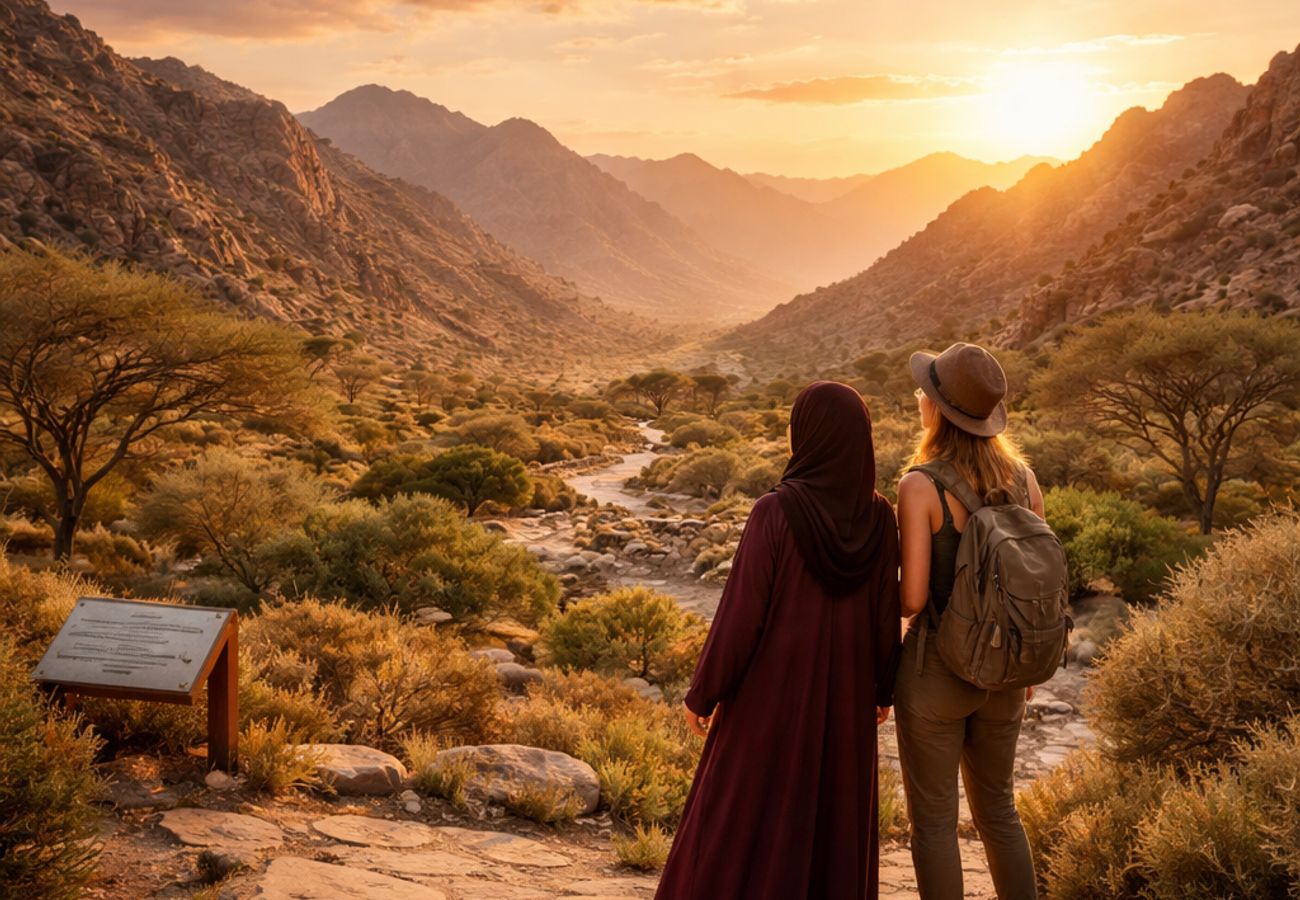
Image generated by AI
The Quiet Revolution in Makkah's Wilderness
When most travelers think of Makkah, religious pilgrimage dominates the conversation. But something entirely different is happening in the mountains and valleys surrounding this sacred city—a grassroots movement toward sustainable tourism that's quietly reshaping how visitors engage with Saudi Arabia.
Over the past two years, wilderness parks in Makkah have emerged as premier eco-tourism destinations, attracting not just international tourists but also local residents seeking wellness and outdoor connection. These aren't commercialized theme parks. They're carefully managed natural reserves where conservation and recreation coexist.
Reddit: "Finally, a Middle East destination that gets sustainability. The parks feel untouched but accessible—exactly what eco-tourism should be." — r/travel
Three Parks, One Vision
The most recognized wilderness areas include Wadi Al-Mughammas, a sprawling reserve offering extensive walking and exploration opportunities across dramatic terrain. Wadi Numan has become famous for its pristine natural landscape, while Ayn Shams draws wellness-focused visitors seeking therapeutic atmosphere and restorative experiences.
Each park operates within Saudi Arabia's Vision 2030 framework—the kingdom's transformative initiative positioning the nation as a sustainable tourism leader. Rather than extractive development, authorities are implementing afforestation projects, vegetation rehabilitation, and comprehensive ecosystem management programs designed to protect biodiversity while enhancing natural appeal.
The strategy is working. Visitor numbers are climbing steadily as word spreads about Makkah's unexpected natural treasures.
Sustainability as Core Infrastructure
This isn't greenwashing. Saudi Arabia's eco-tourism expansion involves genuine infrastructure investment. Park authorities are rolling out awareness campaigns that emphasize proper waste management, native flora preservation, and water-energy conservation. Every visitor receives guidance on low-impact behavior before entry.
The approach reflects a broader global trend: travelers increasingly demand environmental responsibility from destinations. According to industry data on sustainable tourism growth, eco-tourism now represents one of the fastest-expanding tourism segments worldwide, with nature-based experiences commanding premium pricing and fierce loyalty.
By combining conservation efforts with genuine recreational access, Makkah's wilderness parks demonstrate a scalable model—preserve natural resources while creating legitimate economic opportunities through tourism-related activities.
Beyond Recreation: Community and Wellness
Walking through Wadi Al-Mughammas isn't just hiking. Park-goers experience measurable wellness benefits: improved cardiovascular health, mental clarity, and deeper cultural connection. For residents, these spaces solve a critical problem—access to quality outdoor recreation in an arid region.
Tourists layer their experiences strategically. Morning engagement with Wadi Numan's landscape combines with educational components and evening cultural activities. Guided hikes, birdwatching expeditions, photography workshops, and environmental education programs create holistic travel experiences that marry wellness, learning, and recreation—exactly what modern travelers crave.
This integration is crucial. Rather than positioning eco-tourism as separate from Makkah's cultural and religious tourism identity, park developers are weaving them together into a unified visitor experience.
The Expansion Blueprint
Looking forward, Makkah's wilderness parks are positioned for substantial growth. Announced expansion plans include:
- Sustainable trail development and visitor infrastructure designed to accommodate increased foot traffic while minimizing environmental degradation
- Community-led tourism initiatives that empower local residents as guides, educators, and service entrepreneurs—generating employment and fostering microenterprises
- Digital integration including navigation apps, species identification tools, and educational content accessible to global audiences
- Collaborative conservation partnerships with universities, NGOs, and environmental organizations monitoring biodiversity and implementing adaptive management
These aren't theoretical proposals. Several initiatives are already operational, with measurable biodiversity improvements documented over the past 18 months.
Regional Implications for Saudi Arabia
Makkah's eco-tourism development serves as a template for other Saudi regions. The kingdom has recognized that nature-based tourism delivers simultaneous social, economic, and environmental benefits—a rare triple win in development strategy.
As awareness grows among both domestic and international travelers, these parks will attract expanding demographics: adventure seekers, family units, educational groups, and wellness tourists. Increased visitation stimulates local economies through spending on accommodations, guided services, dining, and cultural experiences—while simultaneously building environmental stewardship consciousness among visitors.
This represents strategic thinking at scale. Rather than competing with established destinations like the UAE or Egypt, Saudi Arabia is carving its own niche in sustainable tourism, positioning itself as the destination for conscious travelers seeking responsibility and impact.
A Model for Sustainable Development
The wilderness parks narrative extends beyond tourism economics. These spaces function as outdoor classrooms where both government agencies and private enterprises test and refine sustainable tourism principles. Every visitor becomes a participant in a large-scale environmental experiment.
By coupling strategic planning with environmental preservation, Saudi Arabia has established a new precedent for developing nations: you can grow tourism revenue while actively strengthening ecological health. The parks represent tangible proof that conservation and commerce aren't inherent enemies.
The future trajectory looks promising. As global demand for nature-based experiences intensifies, Makkah's wilderness parks promise to become regional anchors for sustainable tourism. They offer international visitors something increasingly rare—authentic environmental engagement combined with cultural immersion and personal wellness transformation.
This is strategic development done right. Not extraction masquerading as progress, but genuine integration of human needs, environmental protection, and economic growth.
The wilderness revolution is already underway—and Makkah is leading the way.
Related Travel Guides
Disclaimer
This article is for informational and educational purposes only. It does not constitute legal, financial, or professional advice. While we strive to provide accurate and up-to-date information, travel policies, regulations, and conditions change rapidly. Always verify information with official sources before making travel decisions. Nomad Lawyer makes no representations about the accuracy, reliability, completeness, or suitability of the information provided. Readers should consult qualified professionals for advice specific to their circumstances. The views expressed in this article are those of the author and do not necessarily reflect the views of Nomad Lawyer.
Kunal K Choudhary
Co-Founder & Contributor
A passionate traveller and tech enthusiast. Kunal contributes to the vision and growth of Nomad Lawyer, bringing fresh perspectives and driving the community forward.
Learn more about our team →