
Japan’s 2026 Dual Pricing Guide: New Entry Fees at Himeji Castle and Cultural Sites
Japan is formalizing dual pricing at major tourist attractions like Himeji Castle and Tokyo museums to fund preservation and manage record-breaking inbound arrivals.

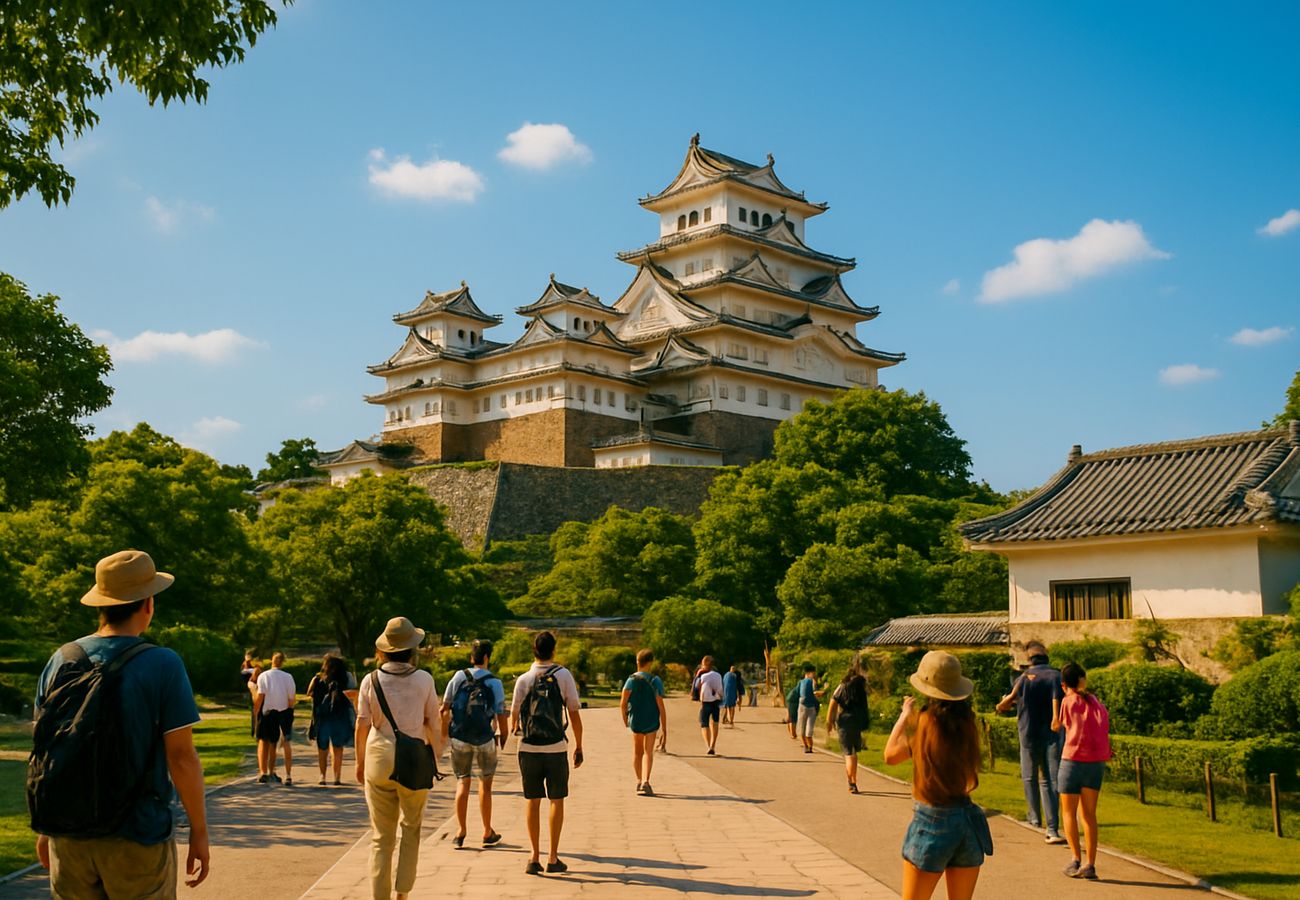
Image generated by AI
Quick Summary
- Case Study Results: Following a March 2026 implementation, Himeji Castle saw ticket revenue nearly double to ¥270 million in a single month, despite a 17% decline in visitor volume.
- Pricing Structure: Non-resident adults now pay ¥2,500 for Himeji Castle entry, while local residents pay ¥1,000. Visitors under 18 receive free entry.
- National Guidelines: The Japan Tourism Agency convened an expert panel in April 2026 to formalize nationwide guidelines for differentiated pricing.
- Future Expansions: Major Tokyo museums are preparing structural reforms by 2031, with international fees expected to rise from ¥1,000 to nearly ¥3,000.
Japan’s tourism economy is undergoing a structural transformation as authorities move toward a "user-pays" system for high-traffic cultural sites. Driven by the need to manage record-breaking inbound arrivals—which surpassed 36 million in 2025—and fund the preservation of centuries-old infrastructure, dual pricing is emerging as the national standard. From the historic stone walls of Himeji to the art centers of Tokyo and the natural landscapes of Hokkaido, international travelers will now encounter significantly higher entry fees than local residents. While the shift has sparked debate over fairness, early financial data suggests that fewer tourists generating higher economic returns is a sustainable blueprint for Japan’s long-term heritage conservation.
Japan Tourism Entry Fees: Dual Pricing Metrics and Projections
The implementation of residency-based pricing is significantly shifting the financial landscape of Japan’s top-tier attractions.
| Attraction / Site | Non-Resident Fee | Local Resident Fee | 2026 Financial Impact |
|---|---|---|---|
| Himeji Castle | ¥2,500 | ¥1,000 | Projected ¥1B annual revenue increase |
| Hokkaido Blue Pond | Non-Resident Parking Fee | Resident Exemption | Direct funding for local conservation |
| Tokyo Museums | ~¥3,000 (By 2031) | ~¥1,000 | Shift toward financial self-sufficiency |
| Kyoto Luxury Stays | ¥500 (Nightly Tax) | Base Rate | Managing overtourism in historical hubs |
The Himeji Success Story: Doubling Revenue with Strategic Pricing
Himeji Castle, a UNESCO-recognized landmark, has become the primary template for Japan’s new tourism economics.
- Revenue Growth: Monthly earnings surged to ¥270 million compared to ¥135 million in the previous year.
- Volume Management: Visitor numbers settled at roughly 140,000 (a 17% year-on-year drop), reducing physical strain on the castle's wooden structures.
- Preservation Funding: The additional ¥1 billion in projected annual revenue is earmarked for repairing stone walls and surrounding infrastructure.
Japan National Guidelines: Formalizing Differentiated Tourism Fees
In April 2026, the Japan Tourism Agency officially began crafting guidance to help regional operators implement legally sound dual pricing.
- Residency Basis: Discounts are framed around residency rather than nationality to ensure fairness for foreign-born residents who pay local taxes.
- Expert Oversight: A panel of experts is evaluating how to prevent reputational risk while maximizing revenue from the current favorable exchange rates.
Hokkaido and Tokyo: Expanding the User-Pays Model
Differentiated pricing is moving beyond castles into natural and urban cultural hubs:
- Hokkaido's Blue Pond: Biei authorities have introduced parking fees for non-local visitors to manage heavy seasonal traffic.
- Tokyo Structural Reforms: Prominent national museums aim to recover a significantly larger percentage of operational expenses through independent revenue streams by the early 2030s.
Mandatory Identification and Verification Procedures
To access discounted resident rates, travelers must now provide valid documentation at ticket windows:
- Accepted Documents: Residence cards, Japanese driver’s licenses, or My Number cards.
- Verification: Non-residents (tourists) must present passports if requested, particularly when utilizing regional tourism levies or exemptions.
- Advance Booking: High-demand sites like Himeji Castle recommend advance reservations during peak cherry blossom and autumn foliage periods to manage capacity under the new pricing tiers.
FAQ: Japan Dual Pricing 2026
Why do tourists pay more than residents at Himeji Castle? Residents pay local municipal taxes that support the castle's maintenance. The ¥2,500 non-resident fee ensures that international visitors contribute directly to the preservation of the heritage site.
Will all museums in Tokyo increase their prices? Several major national museums are exploring reforms by 2031. Fees for international visitors are expected to rise from ¥1,000 to approximately ¥3,000.
What ID is required for local discounts? Travelers must present a residence card, Japanese driver's license, or My Number card to confirm eligibility for resident pricing.
Related Travel Guides
Disclaimer
This article is for informational and educational purposes only. It does not constitute legal, financial, or professional advice. While we strive to provide accurate and up-to-date information, travel policies, regulations, and conditions change rapidly. Always verify information with official sources before making travel decisions. Nomad Lawyer makes no representations about the accuracy, reliability, completeness, or suitability of the information provided. Readers should consult qualified professionals for advice specific to their circumstances. The views expressed in this article are those of the author and do not necessarily reflect the views of Nomad Lawyer.
Kunal K Choudhary
Co-Founder & Contributor
A passionate traveller and tech enthusiast. Kunal contributes to the vision and growth of Nomad Lawyer, bringing fresh perspectives and driving the community forward.
Learn more about our team →