
Japan Weighs Special Entry for North Korean Athletes for 2026 Asian Games
Japan considers a special entry waiver for 180 North Korean athletes and officials for the Aichi-Nagoya 2026 Asian Games despite ongoing sanctions.

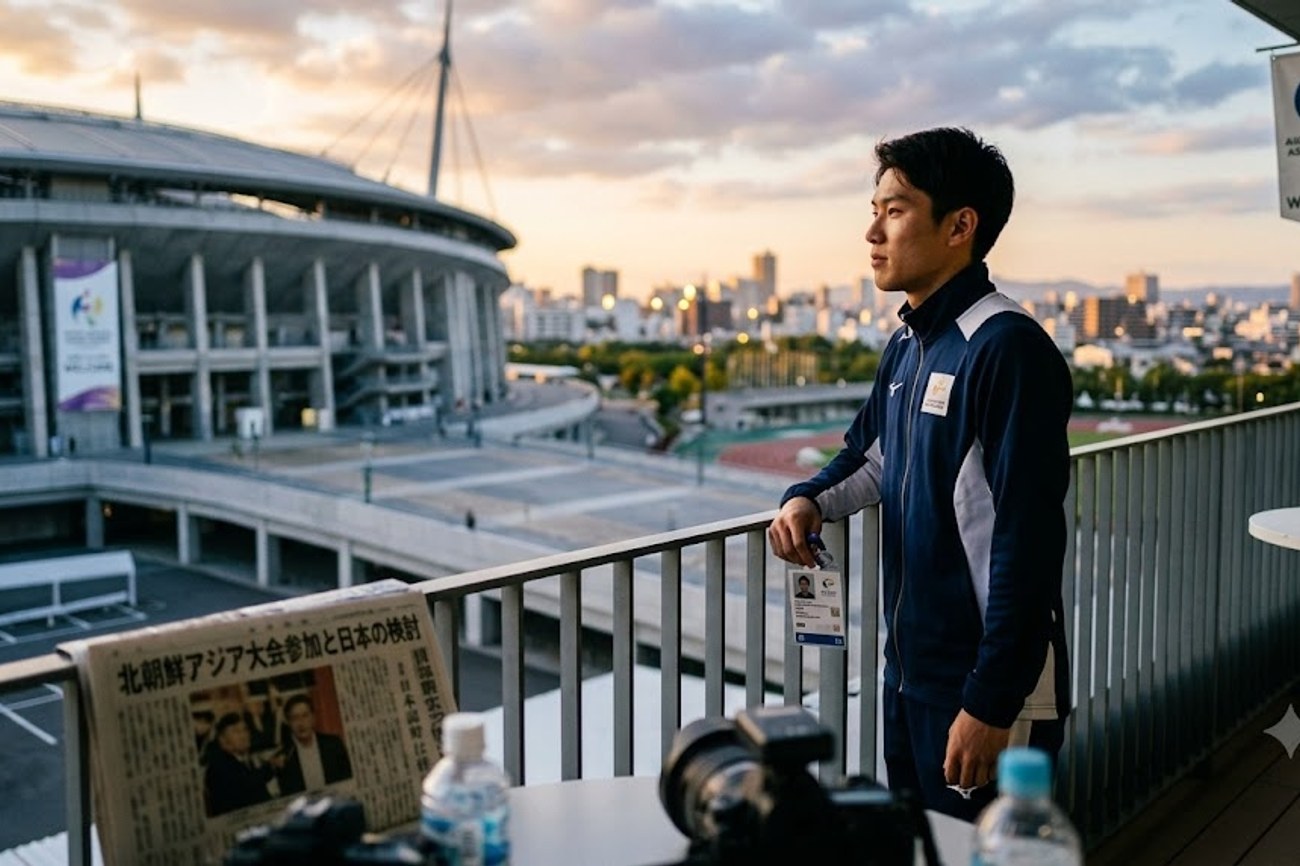
Image generated by AI
[Nagoya, September 7, 2026] — Japan is currently evaluating a specialized entry approval process that would permit North Korean athletes and officials to participate in the Aichi-Nagoya 2026 Asian Games. This potential waiver would allow a delegation of roughly 180 individuals to enter Japanese territory, marking a significant departure from standard entry restrictions imposed on North Korean nationals.
The move is viewed by industry observers as a calculated attempt to balance national security and sanctions with the requirements of hosting a premier international sporting event. By creating a controlled corridor for athletic competition, Japan aims to leverage the games as a tool for limited diplomatic communication and a catalyst for regional tourism growth.
Japan Maintains Sanctions While Enabling Sports Diplomacy
Under current Japanese law, entry for North Korean citizens is strictly restricted. These measures are part of a broader sanctions regime linked to Pyongyang’s ongoing nuclear and ballistic missile development. However, the Japanese government has historically recognized that international sports competitions can serve as neutral ground for peaceful exchange.
Reports indicate that the proposed approval for the Aichi-Nagoya event would not signal a lifting of general sanctions or a shift in overall foreign policy. Instead, the government is designing a highly regulated exception. This framework would specifically target athletes, coaching staff, and official delegates, ensuring their presence is limited to the scope of the competition.
The scale of this potential delegation is noteworthy. With approximately 180 members expected, this would represent one of the largest North Korean contingents to enter Japan for a sporting event in recent history, creating a rare point of physical interaction between the two nations.
Aichi-Nagoya 2026 to Drive Regional Tourism and Visibility
The 2026 Asian Games are poised to be a massive economic driver for the Aichi Prefecture and the city of Nagoya. With more than 17,000 athletes and officials already registered, the event is generating unprecedented demand for the region's hospitality and infrastructure.
The inclusion of a North Korean team is expected to amplify the global media profile of the games. This increased international visibility often translates into "halo tourism," where global audiences are encouraged to explore the host city beyond the sporting venues. For Nagoya, this provides a strategic opportunity to market its industrial heritage, historic castles, and unique regional gastronomy to a diverse global audience.
While the North Korean delegation itself represents a small fraction of the total visitor count, the diplomatic narrative surrounding their arrival is likely to keep the Aichi-Nagoya games in the global headlines, benefiting local businesses and tourism operators.
Economic Impact on Local Infrastructure and Hospitality
The economic footprint of the Aichi-Nagoya 2026 games extends far beyond the stadiums. The influx of thousands of international visitors is providing a direct boost to hotels, restaurants, transport providers, and retail sectors.
In a departure from the traditional "athletes' village" model, organizers have implemented a diversified accommodation strategy. Participants will be housed across a variety of settings, including:
| Accommodation Type | Usage Detail |
|---|---|
| Local Hotels | Primary housing for athletes and officials |
| Cruise Ship | Specialized floating accommodation |
| Temporary Facilities | Short-term housing for event staff and support |
The arrival of the North Korean delegation will integrate into this wider visitor economy. Local service providers stand to benefit from the logistics of transporting and feeding a 180-person contingent, while the Japanese government utilizes the event to project an image of Japan as a modern, capable, and welcoming host for all nations, regardless of political friction.
Utilizing Athletics as a Bridge for Non-Formal Relations
The most profound impact of this entry approval is diplomatic rather than financial. Japan and North Korea currently lack formal diplomatic ties, and relations remain strained due to persistent security concerns and regional instability.
Despite this, sports have historically functioned as a "safety valve" for communication. Industry sources point to the 2024 Paris Olympic women’s football qualifiers, where Japan similarly allowed North Korean athletes entry for competition. These instances demonstrate a consistent pattern of using sports to maintain a baseline of human interaction when official government channels are closed.
The Aichi-Nagoya games will force athletes from both nations to share venues and adhere to the same international regulations. This shared experience creates a rare opportunity for interpersonal understanding, potentially softening the rigid boundaries of state-level diplomacy.
North Korea's Competitive Outlook in Aichi-Nagoya
North Korea is expected to be a formidable opponent in several disciplines, particularly in strength-based sports. The delegation is anticipated to be highly competitive in wrestling and weightlifting, where the country has a storied history of success.
Furthermore, the North Korean women’s football team is entering the games with significant momentum. This follows the success of a Pyongyang-based club that secured the Asian Champions League title in May, signaling a rise in the quality of the nation's women's football program.
Adding another layer of complexity to the delegation's composition are two Korean residents of Japan. These athletes, who reside in Japan but compete for North Korea, highlight the intricate social and political ties that persist between the two populations.
Why This Matters: The Traveler and Diplomatic Perspective
For the average traveler or sports fan, this development transforms the Aichi-Nagoya 2026 games from a standard athletic competition into a historic geopolitical event. From a logistical standpoint, the decision to use hotels and cruise ships instead of a centralized village suggests a more integrated experience for visitors, as athletes will be more visible within the city's urban fabric.
From a diplomatic perspective, this creates a "controlled opening." For the traveler, it means Nagoya will be a hub of intense international scrutiny and high security, but also a place where rare cultural exchanges occur. The ability of Japan to host a delegation from a sanctioned state while maintaining its security posture demonstrates a sophisticated approach to "soft power." It shows that the infrastructure of global sport can be used to maintain a thread of connectivity even when political bridges have been burned.
Related Travel Guides
Disclaimer
This article is for informational and educational purposes only. It does not constitute legal, financial, or professional advice. While we strive to provide accurate and up-to-date information, travel policies, regulations, and conditions change rapidly. Always verify information with official sources before making travel decisions. Nomad Lawyer makes no representations about the accuracy, reliability, completeness, or suitability of the information provided. Readers should consult qualified professionals for advice specific to their circumstances. The views expressed in this article are those of the author and do not necessarily reflect the views of Nomad Lawyer.
Kunal K Choudhary
Co-Founder & Contributor
A passionate traveller and tech enthusiast. Kunal contributes to the vision and growth of Nomad Lawyer, bringing fresh perspectives and driving the community forward.
Learn more about our team →