
Japan Increases Visa Fees Fivefold to 15,000 Yen to Combat Overtourism and Fund Infrastructure 2026
Japan has implemented a massive fivefold increase in visa fees for non-exempt travelers, raising costs from 3,000 to 15,000 yen to manage record tourism surges and upgrade aging infrastructure.
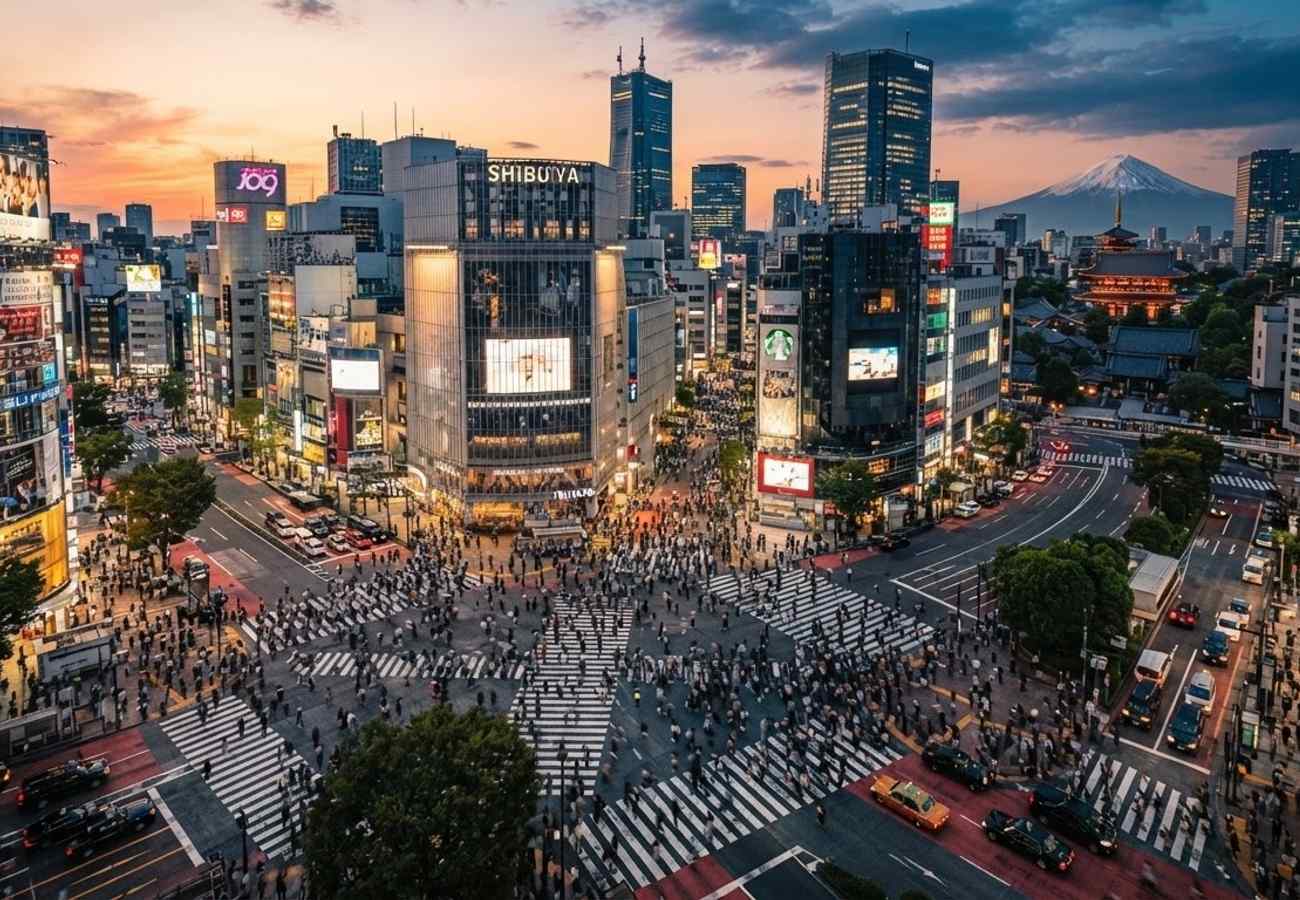
Image generated by AI
Japan has shocked international travelers by hiking single-entry visa costs from 3,000 yen to 15,000 yen. This drastic fivefold increase is a strategic move to fund critical infrastructure and mitigate the crushing weight of record-breaking tourist arrivals.
The Japanese government has overhauled its visa pricing structure for the first time since 1978. This policy shift targets visitors from nations that do not currently hold visa-exemption agreements with Japan, signaling a transition from aggressive tourism growth to sustainable destination management.
The decision comes as Japan grapples with a "perfect storm" of travel demand. The combination of post-pandemic border reopenings and a significantly weakened yen has made the country an affordable magnet for global travelers, placing unprecedented strain on local resources.
First Major Visa Fee Revision in Nearly Five Decades
The scale of the price hike is unprecedented in recent history. By raising the cost of a single-entry visa by 12,000 yen, Tokyo is leveraging administrative fees to create a new revenue stream dedicated to public works.
| Visa Category | Previous Fee | New Fee |
|---|---|---|
| Single-entry visa | 3,000 yen | 15,000 yen |
| Multiple-entry visa | Previously lower charges | Increased under updated structure |
While the government maintains that this is not a mere revenue-gathering exercise, the timing suggests a clear intent to offset the external costs of mass tourism. The funding is earmarked for regions where the gap between visitor volume and infrastructure capacity has become critical.
Addressing the Crisis of Overtourism
The surge in arrivals has concentrated heavily in the "Golden Route"—Tokyo, Kyoto, and Osaka. While these cities benefit economically, the social and physical costs have become unsustainable for local residents.
The government has identified several systemic failures caused by the current volume of visitors:
- Urban Congestion: Extreme overcrowding at primary cultural landmarks and historic sites.
- Transit Gridlock: Overwhelming demand on local bus networks and trains, often displacing daily commuters.
- Environmental Strain: Escalating costs for waste management and sanitation in high-traffic tourist zones.
- Community Friction: Increased pressure on residential neighborhoods and a heightened need for heritage site protection.
Strategic Reinvestment in Tourism Infrastructure
The additional capital generated from the 15,000 yen fee is intended to transform the visitor experience while protecting the local quality of life. Rather than simply welcoming more people, Japan is shifting toward a "high-value" tourism model.
Planned investments include:
- Modernizing transport systems in congested regional hubs.
- Developing sophisticated crowd-management technologies.
- Upgrading visitor information services to redirect traffic away from saturated zones.
- Enhancing the preservation and maintenance of ancient cultural sites.
The Economic Driver: A Weak Yen
A primary catalyst for this surge has been the prolonged depreciation of the Japanese yen. This currency fluctuation has effectively lowered the barrier to entry for international tourists, making luxury accommodation, dining, and shopping significantly cheaper than in previous decades.
| Driver | Impact on Japanese Tourism |
|---|---|
| Weak Yen | Drastically increases affordability for foreign visitors |
| Global Confidence | Higher willingness to undertake long-haul international trips |
| Flight Connectivity | Expanded routes supporting higher arrival volumes |
| Cultural Appeal | Consistent, high demand for traditional Japanese experiences |
Shifting Toward Sustainable Travel Models
Japan is now attempting to decentralize its tourism industry. The goal is to move travelers beyond the crowded centers of Tokyo and Kyoto and toward lesser-known regional destinations.
By promoting regional tourism and implementing stricter crowd management, the government hopes to distribute economic benefits more evenly across the archipelago while reducing the environmental footprint of mass travel.
For the modern traveler, this means that while the entry cost has risen, the long-term expectation is a more organized, less congested, and higher-quality visit.
Japan is trading raw visitor numbers for sustainable, high-quality tourism management.
Related Travel Guides
Disclaimer
This article is for informational and educational purposes only. It does not constitute legal, financial, or professional advice. While we strive to provide accurate and up-to-date information, travel policies, regulations, and conditions change rapidly. Always verify information with official sources before making travel decisions. Nomad Lawyer makes no representations about the accuracy, reliability, completeness, or suitability of the information provided. Readers should consult qualified professionals for advice specific to their circumstances. The views expressed in this article are those of the author and do not necessarily reflect the views of Nomad Lawyer.