
Japan Implements Aggressive New Municipal Tourism Tax Mandates for 2026 Following UNWTO Sustainable Finance Guidelines
Japan is introducing a progressive five-tier municipal accommodation tax starting March 2026 to combat overtourism and fund infrastructure, mirroring fiscal shifts seen in Spain and the UK.

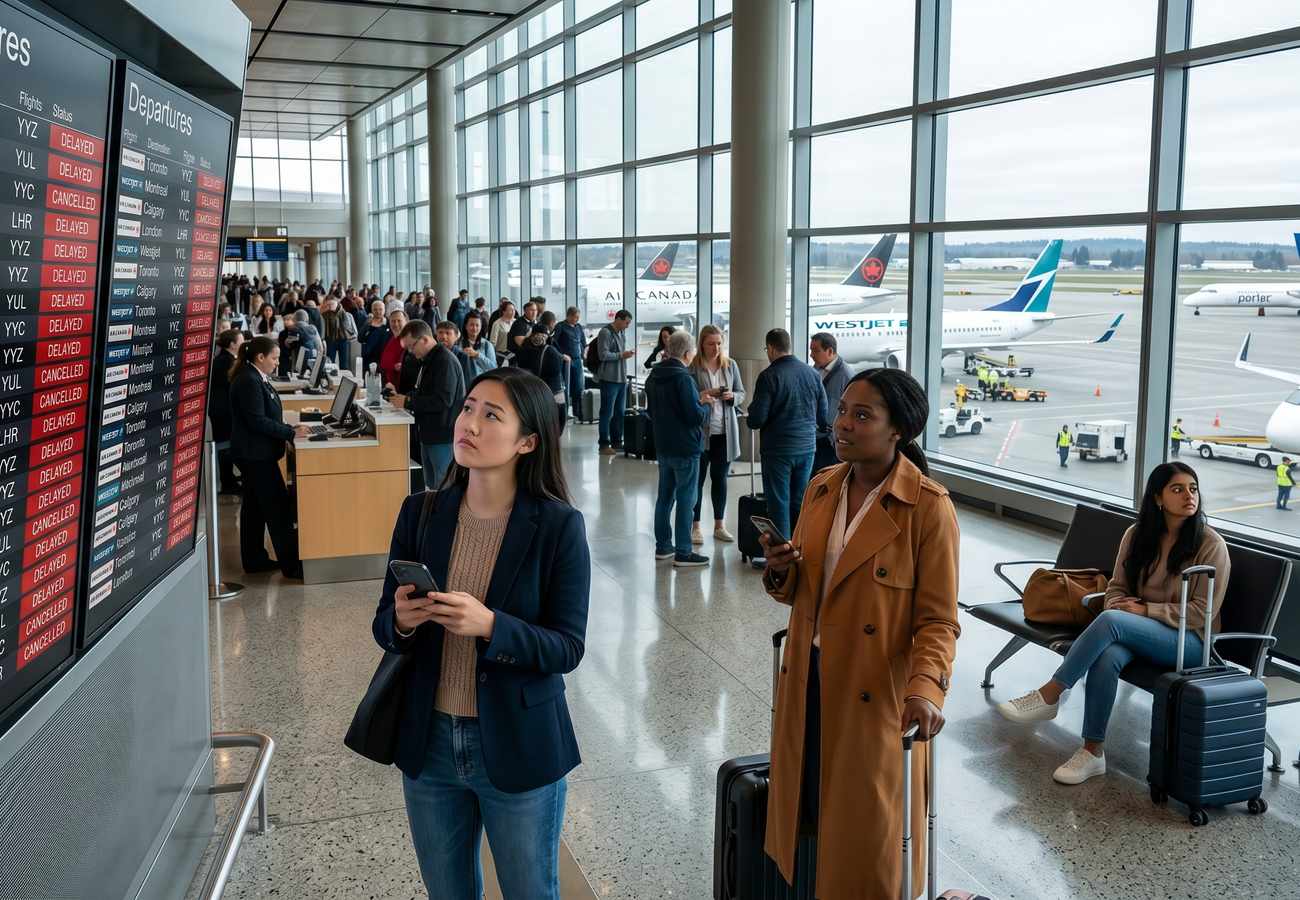
Image generated by AI
[Tokyo, July 8, 2026] — Japan is executing a significant shift in its fiscal approach to international and domestic travel, introducing aggressive new municipal tourism tax mandates effective March 1, 2026. These legislative changes, approved by the Kyoto City Government and the Ministry of Internal Affairs and Communications, transition the current flat-rate tax system into a progressive five-tier structure to mitigate the strain of mass tourism on local infrastructure.
The move aligns with recent recommendations from the UN World Tourism Organization (UNWTO), which has urged global capitals to implement sustainable financing mechanisms. By ring-fencing these funds, Japan intends to modernize transport networks, protect historical landmarks, and improve multilingual crowd management systems to address the negative externalities of "overtourism."
Kyoto Leads Fiscal Recalibration Against Overtourism
Kyoto, as the primary hub for Japan's cultural heritage, is the first city to implement this drastic policy shift. Industry reports indicate that the previous accommodation tax, established in 2018, failed to keep pace with the surge in global travel following the pandemic. In response, local lawmakers and national authorities have ratified a new system that disproportionately targets high-spending travelers while maintaining affordability for budget tourists.
The new law replaces the older three-tier model with a five-tier progressive scale. While those staying in low-cost lodging will see little to no change, guests in ultra-luxury accommodations face a levy increase of up to 900%.
Kyoto City Government Official Accommodation Tax Restructuring (Effective 1 March 2026)
| Nightly Rate (Per Person) | Current Tax (Until 28 Feb 2026) | New Tax (From 1 Mar 2026) | Percentage Increase |
|---|---|---|---|
| Under ¥6,000 | ¥200 | ¥200 | 0% |
| ¥6,000 to ¥19,999 | ¥200 | ¥400 | 100% |
| ¥20,000 to ¥49,999 | ¥500 | ¥1,000 | 100% |
| ¥50,000 to ¥99,999 | ¥1,000 | ¥4,000 | 300% |
| ¥100,000 and above | ¥1,000 | ¥10,000 | 900% |
Note: Tax is calculated per person, per night based on the nightly room rate, inclusive of service charges but strictly excluding meals and the national consumption tax.
Strict Enforcement and Collection Protocols in Japan
The Ministry's directives establish a rigid framework for the collection and application of these levies to ensure maximum compliance.
Mandatory Collection All licensed accommodation providers—including luxury hotels, traditional ryokans, and private minpaku lodgings—are required to collect the tax directly from guests during the check-in or check-out process.
Universal Application The tax applies to all guests regardless of nationality or age. There are very few exceptions, and those that exist are strictly limited to domestic interests.
Exemptions and Penalties Official domestic school trips and certified childcare events are exempt from the tax. However, industry observers note that this exemption does not extend to foreign universities or overseas schools, which are classified as standard international tourists.
A notable financial cliff exists at the top tier of the bracket. A guest booking a room for ¥100,000 per person will pay a ¥10,000 tax. However, a guest paying ¥99,000 per person pays only ¥4,000. For a couple, this marginal difference in room rate results in a total saving of ¥12,000 per night.
European Fiscal Trends in Spain and the United Kingdom
Japan's strategy mirrors a growing consensus among OECD nations to shift the cost of tourism infrastructure from local taxpayers to the visitors themselves. Both Spain and the UK are utilizing similar mechanisms to generate municipal capital.
In Spain, the regional government of Catalonia and the Barcelona City Council have increased the "Stays in Tourist Establishments" tax. Barcelona's municipal surcharge is set to rise further in 2026, using a progressive scale based on the lodging category. Like Kyoto, these funds are dedicated to environmental projects and the preservation of heritage sites.
Similarly, the United Kingdom is moving toward statutory levies. The Scottish Parliament recently passed the Visitor Levy (Scotland) Act, allowing local councils to tax overnight stays. The City of Edinburgh Council has ratified a 5% statutory levy on accommodations, taking effect in July 2026. While Edinburgh uses a percentage-based model rather than Kyoto's flat-rate brackets, the objective remains the same: funding municipal services and mitigating the impact of transient populations.
Divergent Strategies in China and the UAE
While mature economies are using taxes to manage volume, other nations are pursuing a policy of aggressive deregulation to stimulate growth.
The People's Republic of China has taken a diametrically opposite approach. Through 2025 and 2026, China's Ministry of Foreign Affairs expanded unilateral visa-free travel for numerous Asian and European nations. Instead of imposing levies, the Chinese state is absorbing administrative costs to drive economic activity and enhance soft power diplomacy.
The United Arab Emirates (UAE) also rejects the use of punitive tourism taxes. In Dubai and Abu Dhabi, the government has streamlined entry protocols and reduced hospitality fees. The UAE's economic calculation is that the indirect revenue from retail, aviation, and real estate investment far outweighs the direct gains from an overtourism tax.
Why This Matters: The Shift Toward "High-Friction" Tourism
The divergence in these policies signals a fundamental split in the global travel landscape. We are witnessing the emergence of two distinct regulatory environments: "high-friction" and "low-friction" destinations.
Culturally saturated destinations like Japan, Spain, and the UK are transitioning into premium environments. By implementing progressive taxation, these nations are effectively pricing out low-value mass tourism in favor of high-net-worth visitors who can afford the levies. This is not merely a revenue-generating exercise but a tool for demographic engineering.
This shift indicates that the era of unrestricted global mobility is ending for the world's most popular cities. Travelers must now account for "fiscal friction"—taxes that fluctuate based on the luxury level of their stay. For the aviation and hospitality industries, this means a shift in target demographics; luxury providers will likely see a decrease in volume but an increase in the per-guest value, while budget operators will remain the primary drivers of volume.
The global travel economy is moving from a model of pure growth to one of calculated sustainability and fiscal extraction.
Related Travel Guides
Disclaimer
This article is for informational and educational purposes only. It does not constitute legal, financial, or professional advice. While we strive to provide accurate and up-to-date information, travel policies, regulations, and conditions change rapidly. Always verify information with official sources before making travel decisions. Nomad Lawyer makes no representations about the accuracy, reliability, completeness, or suitability of the information provided. Readers should consult qualified professionals for advice specific to their circumstances. The views expressed in this article are those of the author and do not necessarily reflect the views of Nomad Lawyer.
Raushan Kumar
Founder & Lead Developer
Full-stack developer with 11+ years of experience and a passionate traveller. Raushan built Nomad Lawyer from the ground up with a vision to create the best travel and law experience on the web.
Learn more about our team →