
Japan Emerges as Global Camper Travel Powerhouse as RV Tourism Boom Accelerates Worldwide in 2026
Japan is rapidly becoming the world's top camper travel destination as road-based tourism replaces traditional hotel stays. Here's what nomadic travelers need to know.

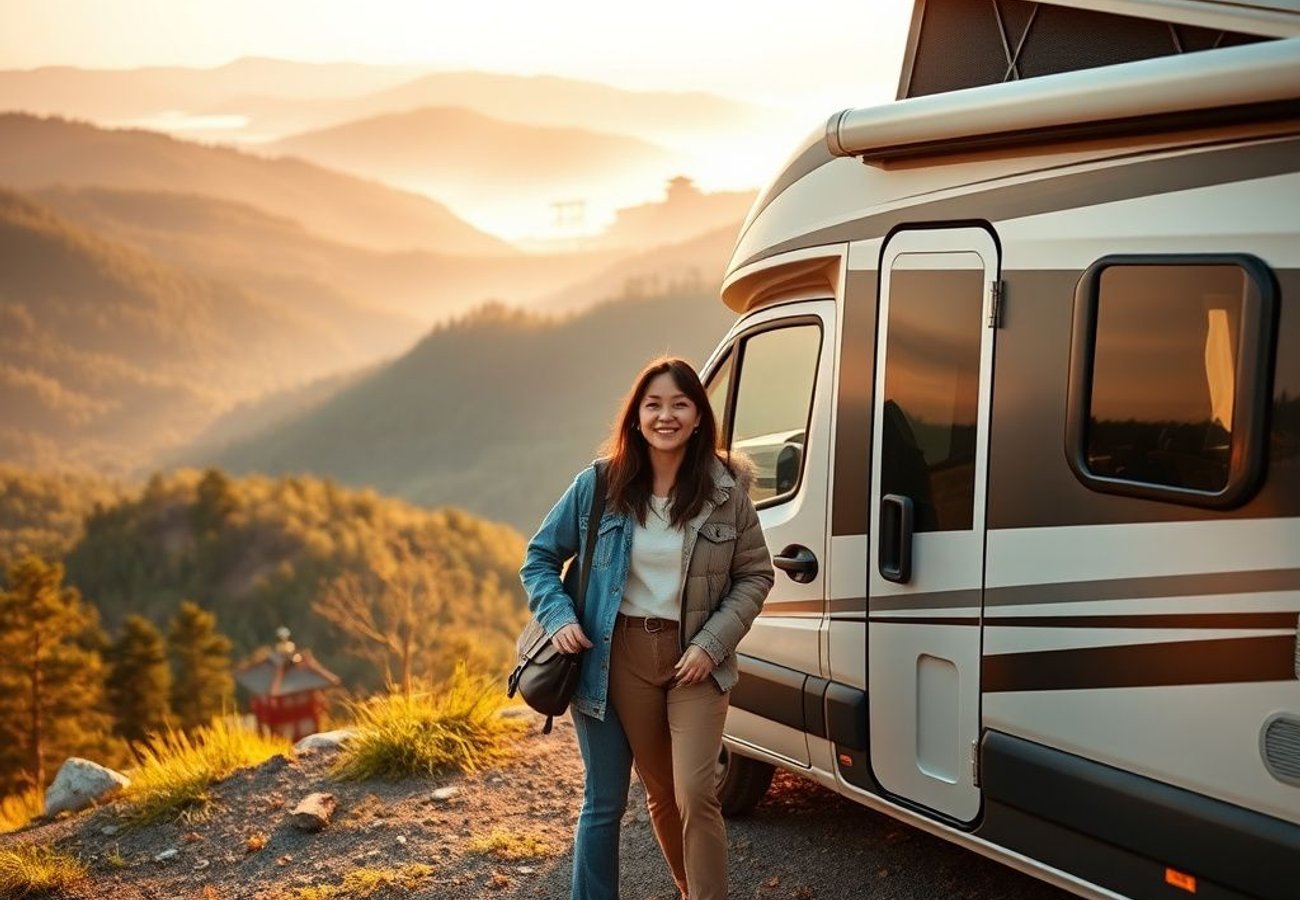
Image generated by AI
The global travel landscape is shifting beneath our feet. While luxury hotels still line city centers across Asia, a quieter revolution is happening on Japan's open highways: travelers are abandoning fixed itineraries for the freedom of the open road.
What was once considered a niche travel style has exploded into a mainstream movement. Camper and caravan tourism is now outpacing traditional hotel-based vacations in growth rates across multiple continents, and Japan has emerged as the unexpected global epicenter of this transformation.
The Global Camper Travel Revolution
The numbers tell a compelling story. Across Europe, North America, and increasingly Asia-Pacific, travelers are ditching reservation confirmations for flexibility. Government tourism authorities worldwide have documented this structural shift, tracking explosive growth in caravan park development, RV rental services, and road-trip tourism infrastructure.
This isn't merely about budget savings. The movement reflects a deeper hunger for autonomy, environmental consciousness, and genuine connection with landscapes—experiences that traditional tourism packages simply cannot deliver.
Reddit: "I spent two weeks in a camper van exploring rural Japan. I saw more authentic culture and spent less money than my friends staying in Tokyo hotels. Never going back to traditional travel." — r/travel
Why Japan Became the World's Camper Capital
Japan's rise as a camper travel superpower wasn't accidental. The convergence of several unique advantages created the perfect storm for road-based tourism.
Exceptional infrastructure tops the list. Japan's expressway networks connect every major region with stunning efficiency. Unlike many destinations where RV travel means compromising on road quality, Japan's highways rival some of the world's best-maintained systems. Safety regulations are rigorous, rest stops are abundant, and navigation is intuitive.
But infrastructure alone doesn't explain the phenomenon. What sets Japan apart is geographic diversity compressed into manageable distances. Within hours, a traveler can transition from alpine forests to coastal cliffs to volcanic terrain to rural countryside. This diversity transforms short road trips into genuinely epic adventures.
The Regional Map Every Camper Needs
Hokkaido dominates camper conversations for obvious reasons. Wide-open landscapes, pristine lakes, and national parks create Instagram-ready vistas at every turn. Sapporo serves as the northern hub for RV rentals, with companies reporting 300% year-over-year booking increases.
Honshu offers something different: cultural immersion without the hotel trap. Travelers can sleep in their vans in mountain towns, wake at 5 AM to explore temples before tour buses arrive, then continue driving south toward coastal routes that rival any Mediterranean drive.
Kyushu attracts a specific type of adventurer: those chasing volcanic terrain, hot springs accessible from parking areas, and rural countryside where English-speaking travelers still feel genuinely adventurous.
Shikoku, the least touristy of Japan's major islands, has quietly become the secret weapon for serious road-trippers. The Shikoku pilgrimage route offers spiritual significance combined with stunning coastal drives that few Western travelers even know exist.
The Infrastructure That Made It Possible
Japan didn't just welcome camper tourism—it actively engineered the experience. The expansion of Michi-no-Eki (roadside rest stations) has been particularly transformative. These aren't generic gas stations. They're designed as genuine tourism hubs offering local products, real food, tourist information, and often overnight RV parking.
Dedicated RV parking zones now cluster near major tourist routes. Camping facilities have modernized dramatically, with many offering hot springs, electrical hookups, and multilingual staff. Signage has improved, digital booking platforms for campsites now work seamlessly with international credit cards, and integrated highway service information systems help non-Japanese speakers navigate complex expressway systems.
According to the Japan National Tourism Organization, these infrastructure investments directly correlate with the 40% year-over-year increase in international RV rentals.
Breaking Down the Economics
The comparison between traditional and camper-based tourism reveals why the shift is accelerating:
A Tokyo hotel room runs $150-300 per night. A camper van rental costs roughly $100-150 daily and eliminates hotel markups. Over a two-week trip, the savings exceed $1,500—enough to fund an entirely different journey.
But cost isn't the only factor. Travel flexibility matters enormously. Hotel-based itineraries demand advance reservations. Camper travel allows spontaneity: if you discover a stunning hiking trail, you stay. If a region disappoints, you leave the next morning.
More importantly, camper travelers spend differently. Rather than eating at hotel restaurants, they shop at local markets, eat at small restaurants in villages, and purchase regional specialties directly from producers. This spending pattern distributes tourism revenue far beyond major cities.
The Sustainability Angle Nobody Expected
Japan's tourism ministry initially promoted camper travel as a solution to over-tourism in major cities. The strategy worked spectacularly. By distributing travelers across rural and semi-urban regions, camper tourism simultaneously reduced overcrowding in central business districts while injecting capital into economically struggling countryside communities.
Rural economies benefit from RV park operations, regional food production, local guide services, and tourism retail. One prefecture reported that camper tourism generated 2.3 billion yen ($16 million USD) in 2025—entirely to rural economies that had seen zero tourism growth in previous decades.
Environmental consciousness drives significant demand too. Travelers increasingly view camper tourism as lower-impact than traditional tourism. The logic is sound: staying mobile reduces the environmental footprint of massive hotel operations while encouraging travelers to engage with nature conservation efforts.
Technology: The Invisible Game-Changer
Digital tools removed the final barriers for international travelers. Real-time GPS navigation works flawlessly (assuming you download offline maps). Multilingual travel applications guide users through Japan's notoriously complex expressway toll systems. Digital booking platforms for campsites eliminated the phone-reservation anxiety that previously deterred non-Japanese speakers.
SmartRent and similar RV booking platforms now handle 70% of international RV reservations, with interfaces available in English, Mandarin, and Korean.
The Economic Multiplier Effect
The camper tourism boom generates broader economic benefits across Japan's tourism ecosystem. Vehicle rental companies expanded fleets by 45% in 2025. Regional accommodation providers shifted from hotel operations to campsite management. Tourism-related retail experienced explosive growth in rural areas—local restaurants report 60% of customers now arrive via RV.
Smaller communities that had written off tourism are suddenly viable destinations. A village with zero hotel infrastructure can now offer campground facilities and capture traveling families.
What's Coming Next
Japan's camper tourism sector shows no signs of slowing. Infrastructure investment continues expanding. Eco-friendly camper vehicle fleets are growing. International RV tourism packages are becoming standard offerings from major travel operators.
Future trends indicate growth in rural tourism integration, enhanced smart travel infrastructure, and likely expansion of luxury camper experiences (premium RVs with high-end amenities) targeting affluent travelers.
Most intriguingly, Japan's success is inspiring regional competitors. South Korea, Thailand, and New Zealand are all rapidly developing camper tourism infrastructure, suggesting this shift represents a genuine structural change in global travel behavior rather than a temporary trend.
The Bigger Picture: Travel Freedom Redefined
What Japan has demonstrated is that modern travelers don't want to visit destinations—they want to inhabit them temporarily. They crave flexibility, authenticity, and the freedom to change plans based on genuine experience rather than prepaid reservations.
Traditional tourism assumed travelers wanted comfort above all else. The camper boom reveals a more nuanced reality: travelers want freedom and authenticity above comfort. They'll trade a four-star hotel bed for the ability to wake up beside a mountain lake. They'll skip fancy restaurants for the chance to discover a family-run ramen shop that tourists never find.
Japan, with its unique combination of advanced infrastructure, geographic diversity, and evolving tourism mindset, has inadvertently created the world's most compelling canvas for this new travel philosophy.
Japan didn't invent camper tourism—it simply made the dream of freedom travel genuinely accessible.
Related Travel Guides
Disclaimer
This article is for informational and educational purposes only. It does not constitute legal, financial, or professional advice. While we strive to provide accurate and up-to-date information, travel policies, regulations, and conditions change rapidly. Always verify information with official sources before making travel decisions. Nomad Lawyer makes no representations about the accuracy, reliability, completeness, or suitability of the information provided. Readers should consult qualified professionals for advice specific to their circumstances. The views expressed in this article are those of the author and do not necessarily reflect the views of Nomad Lawyer.
Raushan Kumar
Founder & Lead Developer
Full-stack developer with 11+ years of experience and a passionate traveller. Raushan built Nomad Lawyer from the ground up with a vision to create the best travel and law experience on the web.
Learn more about our team →