
Japan Flight Disruptions Escalate as Typhoon Noul Knocks Out Punctuality


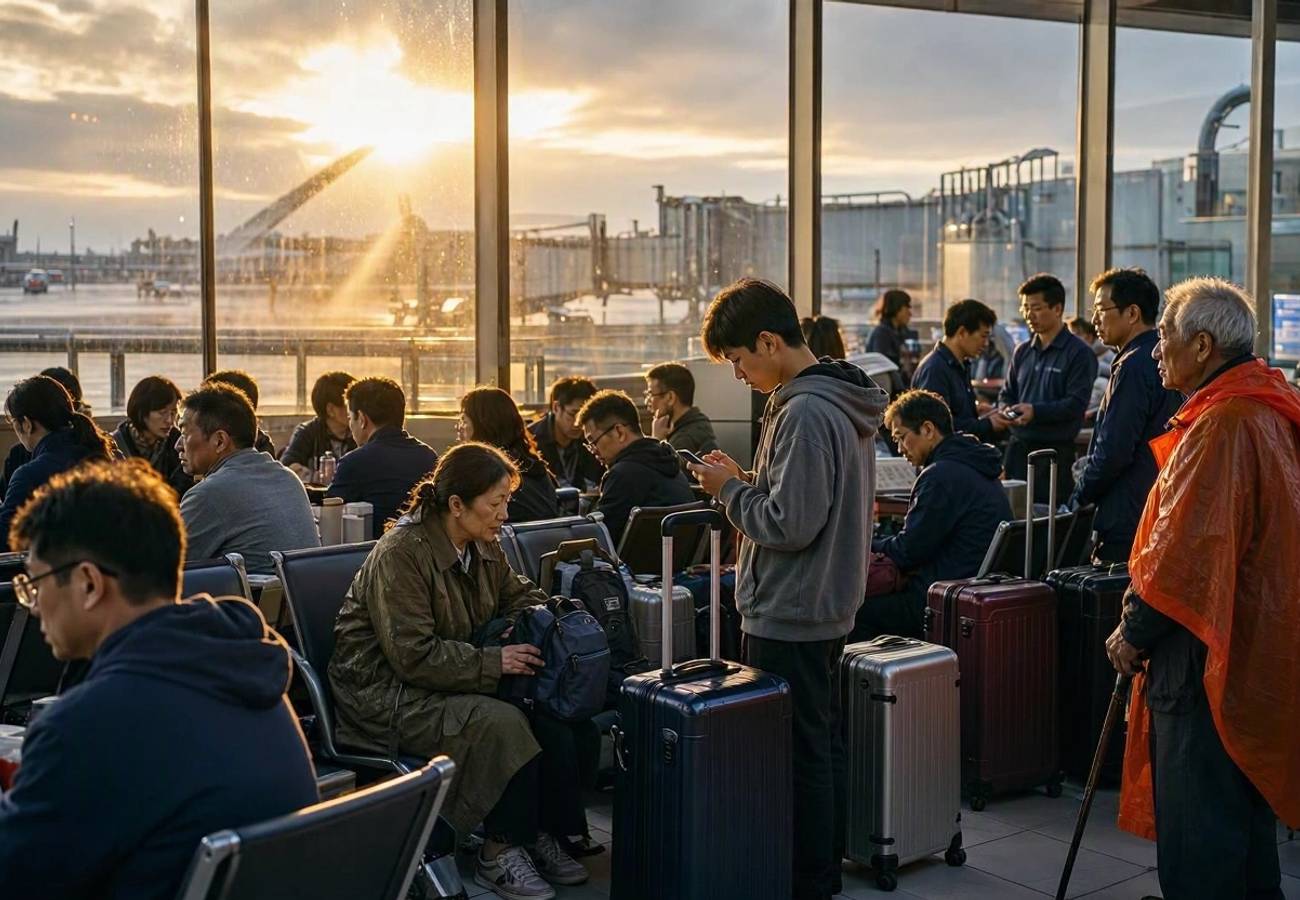
Image generated by AI
Tokyo, July 27, 2026 — Flight tracking systems confirm that flight delays and cancellations impact Japanese airports, recording 1,325 delayed flights and 50 cancellations due to Typhoon Noul's regional aftermath.
Aviation and transit registries indicate that the disruption centers on Tokyo Haneda Airport. Although the typhoon made landfall in Guangdong Province, China, the storm's impact on East Asian flight corridors has delayed inbound aircraft and crews. Japan Airlines and All Nippon Airways (ANA) are adjusting schedules to recover flight rotations.
Regional Airport Backlogs and Congestion Points
The operational delays have spread across major domestic and international gateways:
- Tokyo Haneda Airport (HND): Records the highest congestion level with 634 delayed flights, acting as the primary bottleneck.
- Tokyo Narita Airport (NRT): Experiences moderate delays, impacting international long-haul passenger transfers.
- Western Japan Hubs: Osaka Itami (ITM), Kansai (KIX), Hiroshima (HIJ), and Izumo (IZO) report rolling delays on coastal routes.
- Southern & Northern Gateways: Fukuoka Airport (FUK) and New Chitose Airport (CTS) absorb flight delays cascading from southern routes.
- Operational Recovery: Carriers are prioritizing delayed departures over complete flight cancellations to keep passengers moving.
Affected Carriers and Fleet Operations
Japanese airlines are adjusting flight schedules to restore network punctuality:
- Japan Airlines (JAL): Registers 399 delayed flights across its domestic and regional networks.
- All Nippon Airways (ANA): Reports 24 cancellations, the highest cancellation count among domestic airlines, alongside substantial delays.
- Regional Subsidiaries: ANA Wings faces significant operational strain due to high-frequency, short-sector schedules.
- Low-Cost Carriers: Skymark experiences delays, particularly on routes departing from its Tokyo Haneda base.
Japan Flight Disruption Summary (FlightAware Data July 27, 2026)
| Disruption Metric | Registered Volume | Primary Impacted Hub | Most Affected Air Carrier | Secondary Affected Carriers |
|---|---|---|---|---|
| Total Delayed Flights | 1,325 delays | Tokyo Haneda (HND) | Japan Airlines (399 delays) | ANA, ANA Wings, Skymark |
| Total Cancelled Flights | 50 cancellations | Tokyo Haneda (HND) | All Nippon Airways (24 cancellations) | Regional domestic carriers |
| Haneda Airport Delays | 634 delays | Tokyo Haneda (HND) | Japan Airlines / ANA | Regional transit lines |
| Fukuoka Airport Delays | Variable | Fukuoka (FUK) | Japan Airlines / ANA | Kyushu shuttle lines |
| New Chitose Delays | Variable | New Chitose (CTS) | Japan Airlines / ANA | Hokkaido shuttle lines |
Japan Flight Delays and Passenger Protection Rights
For travelers caught in the regional flight backlog:
- US DOT Transpacific Refund Rights: If your flight from the US to Japan is canceled, and you reject rebooking, you have the right to a full cash refund of your ticket under federal guidelines.
- Japanese Domestic Flight Rebookings: Under Japanese MLIT rules, if domestic flights are delayed or canceled due to weather, carriers must waive fee changes for rebooking onto the next slot.
- European Union (EU261) Outbound Care: If flying to Japan from a European gateway on a European carrier, weather delays are exempt from cash compensation, but airlines must provide food, water, and free overnight hotel rooms if delayed past midnight.
- Montreal Convention Baggage Claims: If your checked bags are delayed, you can claim reimbursement up to $1,700 USD to cover basic wear and toiletries.
Why This Matters
For travelers on this route, the real impact is that because Japanese domestic flights operate on high-frequency schedules with minimal aircraft turnaround buffers, a single delay at Haneda will cascade through five subsequent regional flights, making it essential to schedule connection windows of at least three hours. From a logistical perspective, this means that travelers should avoid booking late-evening domestic transfers. Travelers must verify terminal shuttle paths.
Industry Outlook
Airlines are introducing automated flight re-scheduling systems that automatically re-route aircraft around regional storm zones. As airport security gates deploy biometric passport readers, terminal boarding times will decrease. Over the next year, expect carriers to launch integrated mobile check-in apps that display real-time baggage sorting updates. This technical synchronization will support passenger check-in.
Related Travel Guides
This article is for informational purposes. Flight routes, passenger regulations, visa rules, and transit advisories are subject to change by airlines and aviation authorities. Readers are advised to verify schedules and travel documentation with relevant carriers and border agencies before departure.
Related Stories

ANA Proposes Fuel Surcharge Hikes for Japan Routes: November-December 2026 Pricing Alert
754 Flight Cancellations and 6,264 Delays Across Asia: Typhoon Champi Disrupts Air Travel in 2026
