
7.1 Magnitude Earthquake Hits Kumamoto Japan 2026: Tsunami Warnings and Travel Alerts
A powerful 7.1-magnitude earthquake struck Kumamoto Prefecture on Kyushu island, causing structural collapses, casualties, and widespread travel disruptions across southern Japan.

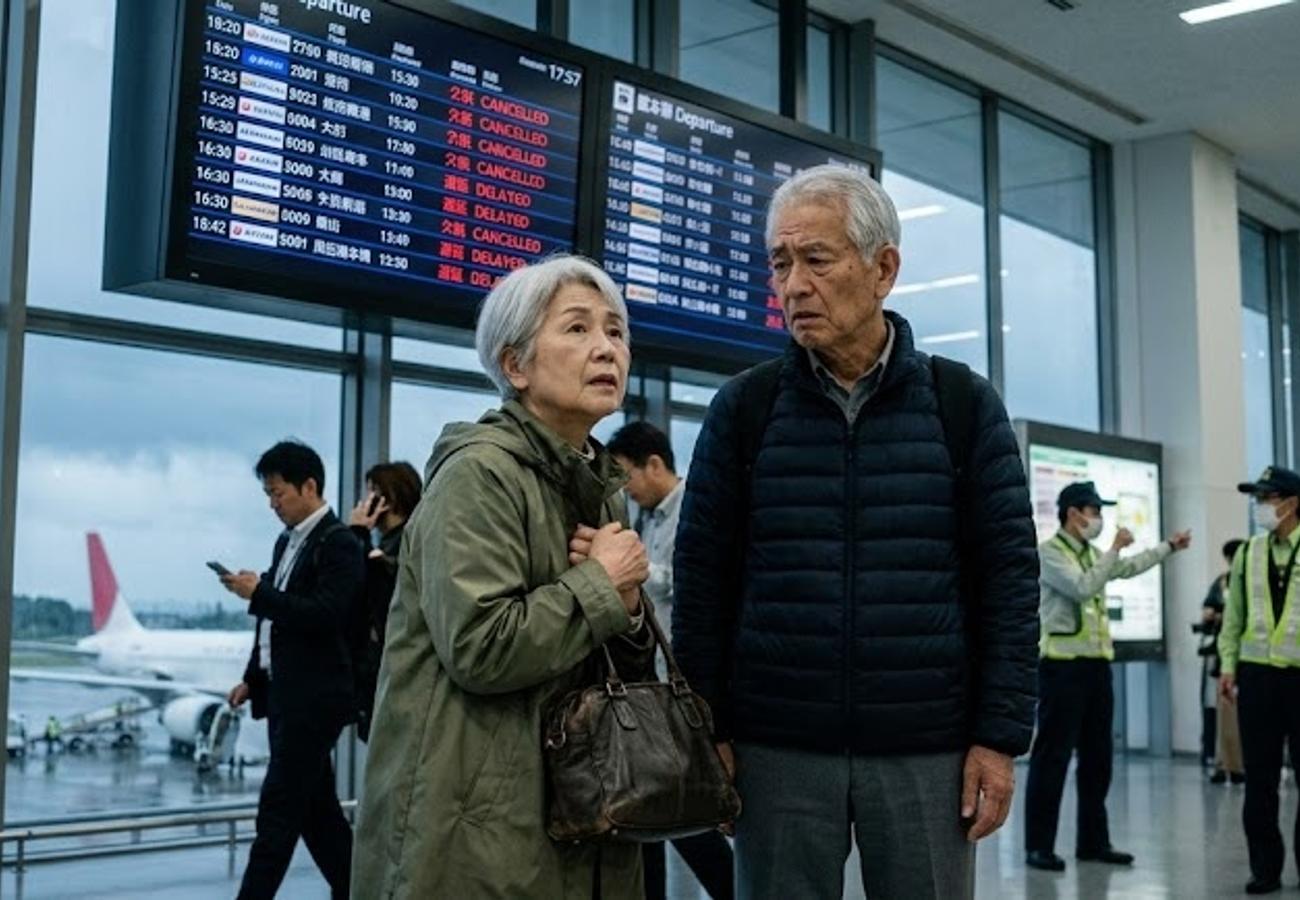
Image generated by AI
A powerful 7.1-magnitude earthquake has struck Kumamoto Prefecture on the island of Kyushu, triggering immediate tsunami warnings and causing severe structural damage. Travelers are advised that high-risk aftershocks are expected to persist for at least one week.
The seismic event occurred at 4:27 PM local time on Tuesday, July 28, 2026. While the initial tsunami warning was lifted several hours later, the impact on infrastructure remains critical. The Japan Meteorological Agency has identified the next two to three days as the period of highest risk for significant aftershocks.
The disaster has caused immediate disruptions to rail, road, and air travel networks throughout southern Japan. Emergency services are currently managing multiple casualty sites, including a partial mall collapse and industrial accidents.
Critical Incident Reports and Casualties
The most severe structural failure occurred at the Aeon Mall Kumamoto in Kashima town. Reports indicate the second floor partially collapsed following an explosion, likely triggered by a gas leak from restaurant equipment damaged during the quake.
- Confirmed Fatalities: Two women in their twenties died in the mall collapse; one additional death was reported due to a residential house collapse.
- Rescue Operations: Six individuals have been rescued from the mall, including one person who suffered cardiopulmonary arrest.
- Missing Persons: Between 20 and 30 mall employees remain unaccounted for. At a Nippon Paper Industries factory in Yatsushiro City, nine people are missing, and two were found in a state of cardiopulmonary arrest.
Emergency Response and Infrastructure Status
The Japanese government has shifted to a high-alert emergency footing. Prime Minister Sanae Takaichi has pledged "full force" support to the affected communities, prioritizing the rescue of trapped individuals.
- Military Deployment: Approximately 3,600 military personnel have been mobilized to assist local police and fire departments in Kumamoto.
- Healthcare Crisis: Saiseikai Kumamoto Hospital has reached full capacity (400 beds). The facility has suspended all pre-scheduled hospitalizations and requested that outpatients avoid visits on July 29, except for emergencies. The hospital itself has suffered water leaks and wall collapses.
- Public Closures: 178 facilities in Kumamoto City—including libraries, community centers, and sports complexes—are closed. Many have been repurposed as temporary evacuation shelters.
- Transport Damage: The Uyanagi Bridge, a dedicated route for pedestrians and cyclists, has partially collapsed into the river.
Seismic Event Summary
| Detail | Data |
|---|---|
| Magnitude | 7.1 |
| Date & Time | July 28, 2026, 4:27 PM Local Time |
| Epicenter | Kumamoto Prefecture, Kyushu Island |
| Military Personnel Deployed | ~3,600 |
| Hospital Capacity (Saiseikai) | 400 beds (100% Full) |
| Facility Closures | 178 in Kumamoto City |
| High-Risk Window | Next 2–3 days (Aftershocks) |
Why This Matters: Analysis for Travelers
From a logistical perspective, this event creates a volatile environment for any transit through Kyushu. For travelers on this route, the real impact is not just the immediate damage, but the "cascading failure" of services. When a primary regional hospital hits 100% capacity and 178 public facilities close, the local infrastructure cannot support tourist influxes.
Our analysis of the current situation suggests that "travel warnings" are an understatement. The combination of damaged road networks (such as the Uyanagi Bridge collapse) and the high probability of aftershocks means that rail and air schedules will remain unreliable. Travelers should expect significant delays or cancellations as operators prioritize emergency personnel and military movement over commercial traffic.
Forward Outlook
Expect continued volatility in flight and train schedules for the remainder of the week. The Japan Meteorological Agency's warning regarding the next 72 hours suggests that further structural failures may occur in already weakened buildings. Travelers should monitor official government channels and avoid non-essential travel to the Kumamoto region until the aftershock risk subsides.
The situation remains fluid as rescue teams continue to search for the missing in Yatsushiro and Kashima.
Related Travel Guides
Disclaimer
This article is for informational and educational purposes only. It does not constitute legal, financial, or professional advice. While we strive to provide accurate and up-to-date information, travel policies, regulations, and conditions change rapidly. Always verify information with official sources before making travel decisions. Nomad Lawyer makes no representations about the accuracy, reliability, completeness, or suitability of the information provided. Readers should consult qualified professionals for advice specific to their circumstances. The views expressed in this article are those of the author and do not necessarily reflect the views of Nomad Lawyer.
Kunal K Choudhary
Co-Founder & Contributor
A passionate traveller and tech enthusiast. Kunal contributes to the vision and growth of Nomad Lawyer, bringing fresh perspectives and driving the community forward.
Learn more about our team →