
Japan Corporate Tourism Boom 2026: Blending MICE Events with Cultural Escapes in Tokyo and Osaka
Japan is redefining business travel in 2026, leveraging favorable currency valuations and smart-city tech to merge high-stakes corporate summits with immersive cultural retreats across its major urban hubs.

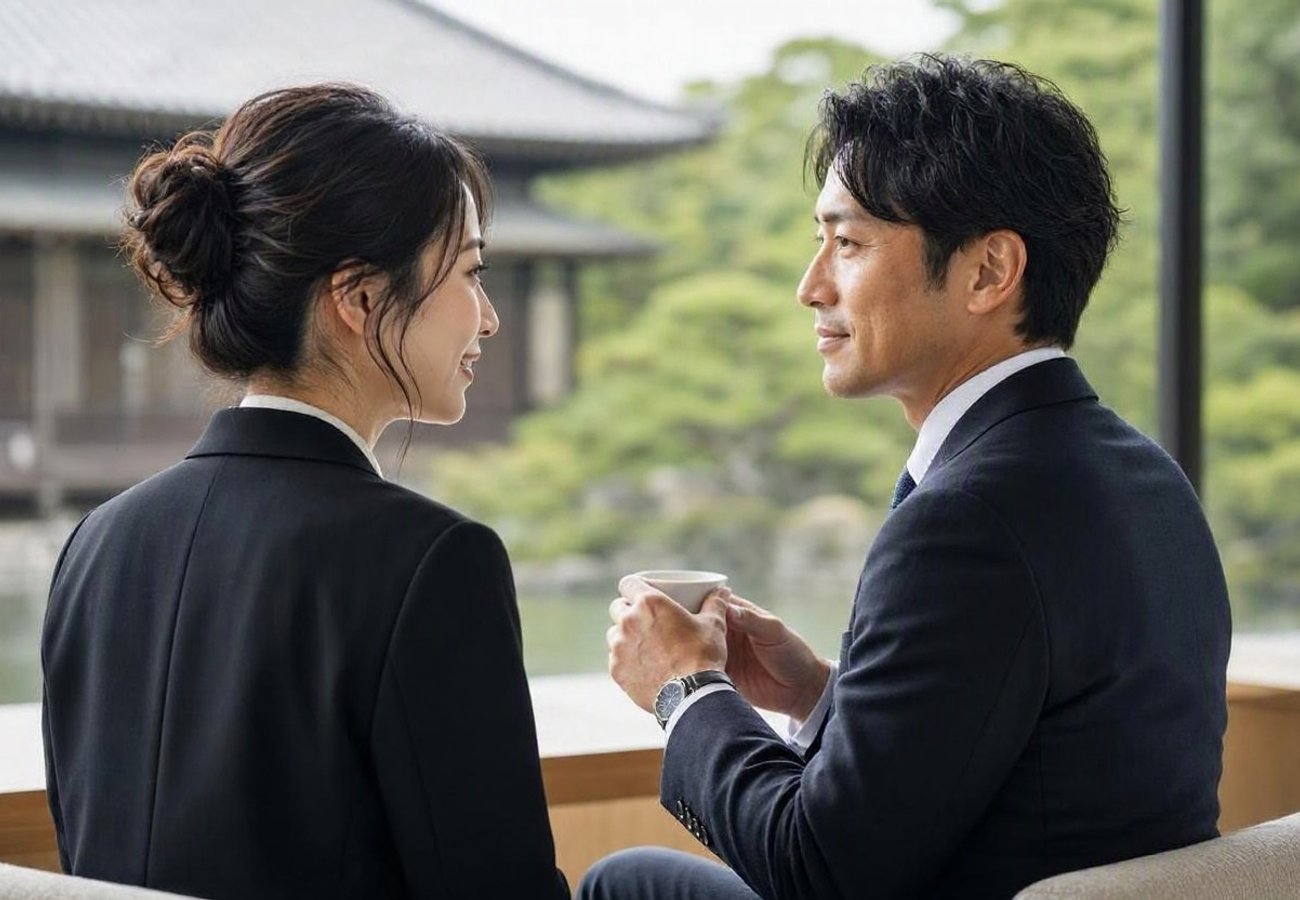
Image generated by AI
The modern corporate traveler in Japan is no longer sticking to the boardroom—they are spending their afternoons in Kyoto tea houses and their evenings in coastal retreats. This shift marks a departure from traditional business trips, as a unique alignment of currency valuations and infrastructure upgrades transforms the archipelago into a premier destination for "bleisure" (business + leisure).
The Evolution of Japanese MICE Tourism
The MICE (Meetings, Incentives, Conferences, and Exhibitions) sector in Japan is undergoing a strategic rebirth. While Tokyo and Yokohama remain the primary anchors for international summits due to their digital infrastructure and safety records, the growth is now bleeding into secondary markets. Cities like Nagoya and Fukuoka are emerging as vital commercial nodes, deploying new multipurpose complexes and business hotels specifically engineered for the global executive.
This expansion is not accidental. Municipal planners have funneled significant investment into smart-city frameworks. For the visiting professional, this means AI-powered multilingual concierges and automated check-in systems that remove the traditional friction of navigating a foreign corporate environment. By integrating real-time crowd density monitoring, tourism boards are now optimizing transit flows around major convention districts, ensuring that a delegate can move from a high-pressure symposium to a quiet temple without the stress of urban congestion.
What Makes the Japanese Experience Different
Japan's current appeal lies in its ability to offer "high-contrast" travel. A corporate delegation might spend three days in a state-of-the-art facility in Osaka and then transition immediately to a team-building retreat in a historic district. This convergence of hyper-modernity and deep tradition is a primary driver for multinational corporations that are now allocating larger portions of their budgets to experiential incentive trips.
The economic catalyst is the structurally softer Japanese currency. For firms based in North America and Europe, the increased purchasing power has made extended stays remarkably cost-effective. This financial advantage is encouraging companies to scale up their trade missions and research exchanges, often extending professional itineraries into full-scale vacations.
To understand the scale of this movement, consider the logistical efficiency that supports it. The Japan National Tourism Organization (JNTO) provides extensive resources for these visitors, while the seamless integration of the high-speed rail network allows executives to traverse the country with a precision that is rarely matched in other global markets.
Strategic Logistics for the Corporate Traveler
For those planning a professional visit, the choice of base is critical. While Tokyo is the hub for finance and tech, Osaka offers a more accessible gateway to the cultural heart of the Kansai region.
| Feature | Tokyo / Yokohama | Osaka / Nagoya / Fukuoka |
|---|---|---|
| Primary Focus | Global Summits & Finance | Industrial Trade & Regional Hubs |
| Infrastructure | High-density Smart-City Tech | Integrated Multipurpose Complexes |
| Vibe | Fast-paced, Corporate | Blended Business & Local Culture |
| Transport | Heavy Metro / Narita-Haneda | Shinkansen / Regional Airports |
| Best For | Large-scale Conventions | Team-Building & Incentive Trips |
Visitor Insider Tips
- The "Bleisure" Window: To avoid the peak crowds of the Sakura (spring) and Koyo (autumn) seasons, schedule corporate events for late May or early October. You will find better hotel availability and more attentive service at boutique hospitality providers.
- Etiquette for the Modern Executive: While digital transformation is everywhere, the culture of the "Meishi" (business card exchange) remains vital. Always present your card with two hands and take a moment to study the other person's card before placing it on the table.
- Transport Hack: For those moving between Tokyo and Osaka for business, the Japan Rail Pass remains a powerful tool, but for corporate groups, booking "Green Car" (First Class) seats in advance is non-negotiable for productivity and comfort.
- Neighborhood Base: Instead of the generic hotel districts, look for accommodations in the Marunouchi district of Tokyo for immediate proximity to the financial center, or the Namba area in Osaka for a more authentic local experience after work hours.
Cultural and Environmental Context
The surge in corporate tourism is creating a complex ripple effect across local communities. On one hand, the shift toward "experiential" business travel is distributing wealth beyond the major hotel chains and into the hands of traditional artisans and boutique guesthouses. This helps preserve heritage crafts that might otherwise vanish.
However, the influx of high-spending corporate delegations puts pressure on urban infrastructure. The adoption of smart-city technology is not just a luxury for the traveler; it is a necessity for the city to manage the environmental footprint of thousands of additional visitors. By using AI to divert traffic and monitor energy consumption in convention centers, Japan is attempting to balance economic growth with the preservation of its quiet, traditional rhythms. Many companies are now aligning their trips with Corporate Social Responsibility (CSR) goals, opting for sustainable energy-certified hotels to minimize their carbon impact.
FAQ: Visiting Japan 2026
What is the best time for a business trip to Japan? Late spring (May) and autumn (October/November) offer the best weather. However, avoid "Golden Week" (late April to early May), as domestic travel peaks and hotels become nearly impossible to book.
Do I need a visa for corporate travel? Requirements vary by nationality. Many Western nations have visa-waiver agreements for short-term business visits, but you should verify current status via the official Ministry of Foreign Affairs of Japan website.
How do I get from Tokyo to Osaka efficiently? The Shinkansen (bullet train) is the gold standard, taking roughly 2.5 hours. It is significantly more reliable and faster than flying when considering airport transfers.
Is Japan safe for solo business travelers? Extremely. Japan consistently ranks as one of the safest countries globally. The public transport is intuitive, and the culture is welcoming to solo professionals.
The boardroom is expanding; the city is the new office.
Related Travel Guides
Disclaimer
This article is for informational and educational purposes only. It does not constitute legal, financial, or professional advice. While we strive to provide accurate and up-to-date information, travel policies, regulations, and conditions change rapidly. Always verify information with official sources before making travel decisions. Nomad Lawyer makes no representations about the accuracy, reliability, completeness, or suitability of the information provided. Readers should consult qualified professionals for advice specific to their circumstances. The views expressed in this article are those of the author and do not necessarily reflect the views of Nomad Lawyer.
Kunal K Choudhary
Co-Founder & Contributor
A passionate traveller and tech enthusiast. Kunal contributes to the vision and growth of Nomad Lawyer, bringing fresh perspectives and driving the community forward.
Learn more about our team →