
Japan Issues Urgent 2026 World Cup Safety Advisory: Terror & Kidnap Threats for Semi-Final Fans
Japanese Ministry of Foreign Affairs warns citizens attending 2026 FIFA World Cup semi-finals of terror threats, cartel violence, and organized crime across North American host nations.

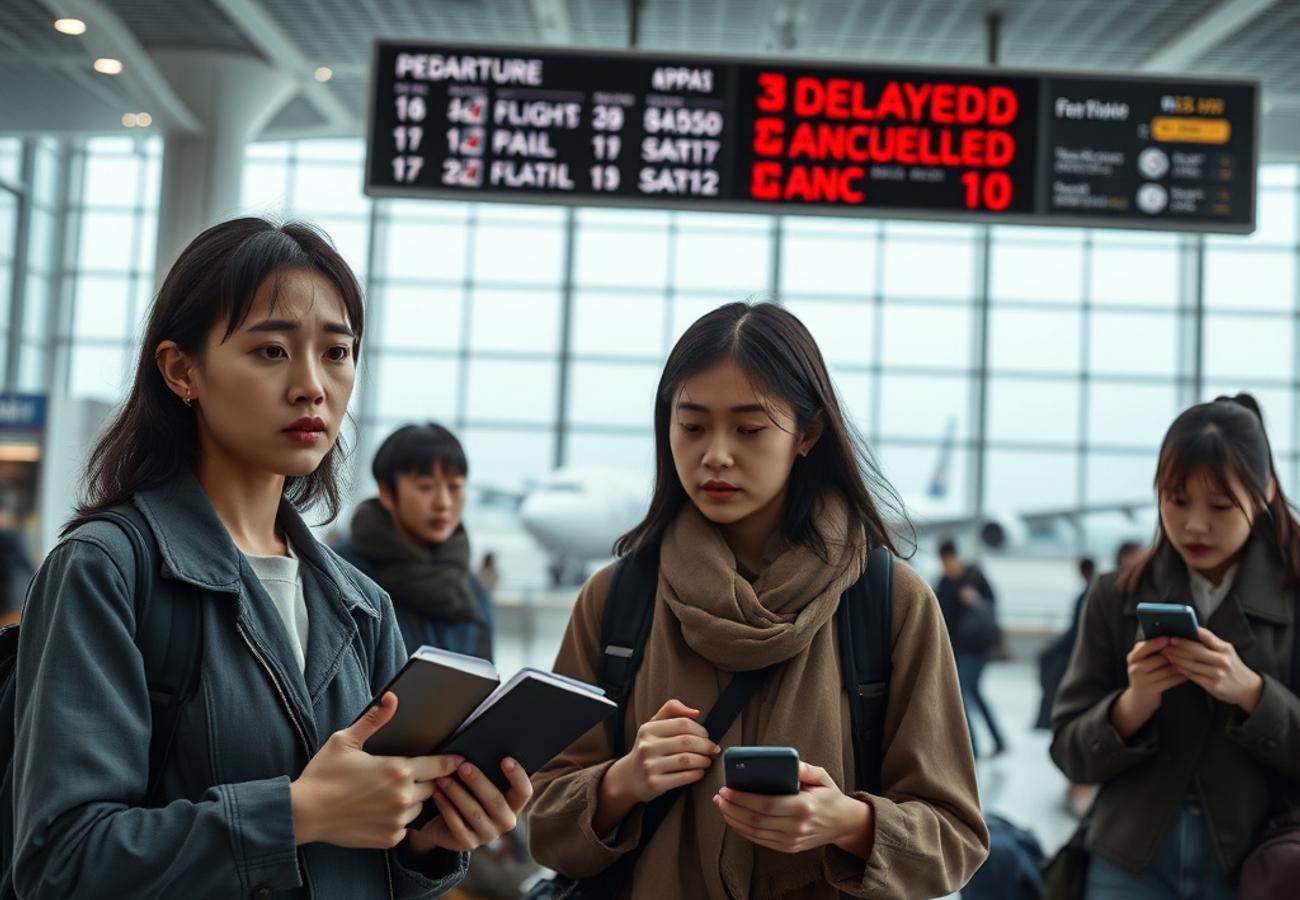
Image generated by AI
Japan Escalates World Cup Warning: Tri-National Security Crisis Emerges
The Ministry of Foreign Affairs of Japan has issued a comprehensive, high-alert travel safety directive for Japanese citizens planning to attend the 2026 FIFA World Cup semi-final matches across North America. On June 29, 2026, officials formally updated their security protocols, explicitly warning of transnational threats spanning vehicular theft in Canada, cartel-related violence and kidnappings in Mexico, and potential terrorist attacks in the United States.
This is not a routine precautionary note. This is an urgent diplomatic intervention addressing what Tokyo believes represents a genuine, multi-layered threat matrix. The advisory signals that Japanese authorities view the tournament's tri-national structure as a critical vulnerability point for citizen safety.
Why the Sudden Alarm? Understanding the Structural Vulnerability
The 2026 World Cup's unprecedented hosting arrangement—split between Canada, Mexico, and the United States—has created operational chaos for security planning. Each nation operates under vastly different law enforcement protocols, border control standards, and threat assessments.
Reddit: "The issue isn't just crime—it's that fans will cross three different countries with three different security frameworks in a single tournament run." — r/travel
Japanese government analysts fear that passionate sports fans will abandon situational awareness during celebratory moments, creating soft targets for both opportunistic criminals and coordinated threat networks. The massive influx of thousands of international spectators crossing borders simultaneously compounds tracking and protection difficulties for consular operations. Unlike a single-nation tournament, Japanese officials cannot rely on established relationships with one host government's security apparatus.
The state has therefore intervened proactively, establishing a mandatory defensive awareness framework for all traveling ticket holders.
Canada's Petty Crime Epidemic: Property Theft and Vehicle Breaches
While Canada maintains an international reputation for safety, local law enforcement is battling an unprecedented spike in organized property crime targeting international tourists and sports fans.
The official advisory warns Japanese visitors that persistent vehicular break-ins plague parking areas near major sports arenas, transportation hubs, and tourist landmarks. Organized criminal rings operate with shocking efficiency, breaching standard vehicle windows in seconds to execute rapid valuables theft. Foreign sports fans consistently make the critical mistake of leaving expensive electronics, camera equipment, and travel documents on passenger seats—exactly what thieves exploit.
The ministry's core recommendation is absolute: keep all valuables locked inside hotel safes rather than transport vehicles. This single preventive measure dramatically reduces financial loss and identity theft exposure during Canadian tournament portions.
Mexico: The Highest-Risk Zone for Tournament Attendees
The security landscape shifts dramatically once spectators cross into Mexican territory. Official ministerial warnings document frequent armed robberies, express kidnappings, and active cartel operations occurring near designated fan zones and stadium venues.
Here's the critical vulnerability: losing a physical passport in Mexico creates catastrophic bureaucratic consequences. Under current US immigration law, Japanese citizens who lose their passport in Mexico become ineligible for entry into the United States via the Electronic Visa Waiver Program—a rule that could entirely derail a fan's tournament itinerary.
A single moment of pickpocketing negligence transforms a tournament experience into a diplomatic emergency. The ministry emphasizes that maintaining absolute physical possession of vital identity documents remains the single highest-priority security task in the region.
Traveling groups are explicitly prohibited from wandering into unmonitored neighborhoods or using unverified street transportation after dark. This isn't advisory language—this is a hard restriction.
United States: Gun Violence, Terrorism, and Post-Match Chaos
The United States segment presents a complex matrix of public safety anxieties requiring heightened individual vigilance. Japanese authorities have explicitly warned citizens regarding ongoing domestic risks of random gun violence and potential terrorist activity in highly congested public gathering zones.
Large plazas, open-air fan festivals, and crowded transit terminals represent statistically high-risk environments where sudden emergencies materialize without warning. The celebratory areas surrounding major stadium complexes consistently transform into prime hunting grounds for professional pickpocket rings immediately following final matches.
The frantic emotional rush of heavily distracted crowds provides perfect cover for organized thieves to lift smartphones and wallets undetected. Safety experts advise avoiding dense post-game street congregations entirely, instead moving efficiently toward pre-booked transport alternatives.
Critical Document Requirements: The Administrative Gauntlet
Navigating this tri-national tournament requires flawless administrative precision from every ticket holder. Each country demands different documentation:
Canada requires a valid Electronic Travel Authorization (eTA) secured prior to flight boarding. Mexico waives tourist visas for up to 180 days, but travelers must retain paper receipts and digital FMMD immigration records. The United States mandates an approved Electronic System for Travel Authorization (ESTA) secured at least 72 hours before departure, plus REAL ID-compliant identification for all domestic flight segments.
The Japanese government strongly commands all citizens to enroll in the official Tabireg safety service—a state-run digital platform that pushes real-time security alerts directly to users' smartphones, enabling instant communication with consular officials during international crises.
Failing to secure any single document creates cascading border crossing failures. The margin for administrative error is essentially zero.
The Broader Implication: Tournament Risk Assessment Enters New Territory
This advisory represents a significant escalation in how national governments assess sports tourism safety. The US State Department maintains its own travel advisory system, and Japanese officials are clearly operating above standard protocol thresholds by issuing this level of specificity and urgency.
The 2026 World Cup will test whether tri-national tournament structures can actually function safely for international spectators. Japan's warnings suggest the answer remains genuinely uncertain.
Japanese citizens attending the semi-finals must now operate as de facto security professionals, monitoring threat levels across three distinct jurisdictions simultaneously. The joyous escapism that defines sports tourism has been replaced by a complex bureaucratic and physical security gauntlet.
The World Cup has always been about crossing borders—but never quite like this.
Related Travel Guides
Disclaimer
This article is for informational and educational purposes only. It does not constitute legal, financial, or professional advice. While we strive to provide accurate and up-to-date information, travel policies, regulations, and conditions change rapidly. Always verify information with official sources before making travel decisions. Nomad Lawyer makes no representations about the accuracy, reliability, completeness, or suitability of the information provided. Readers should consult qualified professionals for advice specific to their circumstances. The views expressed in this article are those of the author and do not necessarily reflect the views of Nomad Lawyer.
Raushan Kumar
Founder & Lead Developer
Full-stack developer with 11+ years of experience and a passionate traveller. Raushan built Nomad Lawyer from the ground up with a vision to create the best travel and law experience on the web.
Learn more about our team →