
Japan's 2026 Typhoon Crisis: 14 Predicted Landfalls Could Devastate Summer Travel Plans Across Tokyo, Osaka, and Okinawa
Japan faces record typhoon threats in 2026 with forecasts of up to 14 landfalls—nearly 5x the historical average. Summer travelers must prepare now or risk catastrophic disruptions.

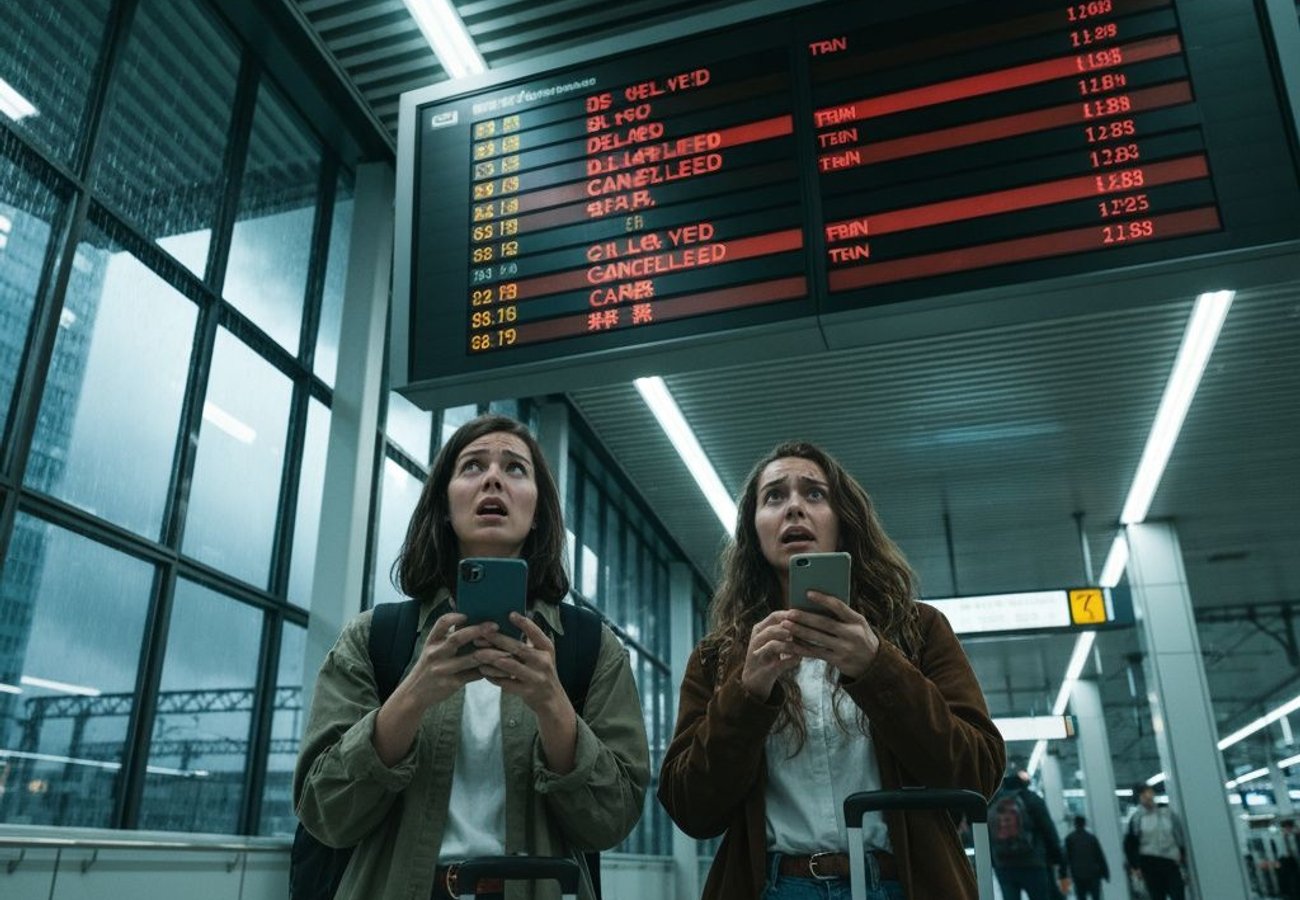
Image generated by AI
Japan Is Bracing for Its Worst Typhoon Season in Decades
Japan's meteorological agencies just released a forecast that should concern every traveler planning a 2026 summer trip. The western North Pacific is expected to produce up to 28 tropical storms, with as many as 14 making direct landfall on Japan's main islands. For perspective, Japan historically experiences fewer than three typhoons annually. This year could shatter that record.
The implications are staggering. Tokyo, Osaka, Kyushu, and Okinawa—some of the world's most visited destinations—are directly in the crosshairs. Early-season Typhoon Jangmi in June already triggered level-five flood warnings in Wakayama Prefecture and level-four alerts across Tokyo and surrounding prefectures. Hundreds of flights were grounded. Shinkansen services halted. International tourists found themselves stranded.
This isn't fear-mongering. This is a legitimate travel crisis unfolding in real time.
The Numbers Don't Lie: Transport Chaos Already Underway
I'm watching the data stream in, and it's sobering. Typhoon Jangmi alone caused 500+ domestic flight cancellations across Japan's major hubs. According to Japan Airlines and ANA operational reports, both carriers suspended services from Tokyo Haneda, Osaka Kansai, and Fukuoka airports simultaneously.
The shinkansen—Japan's famous bullet train network—came to a complete stop. Local metro services in Tokyo suspended operations. Ferries connecting the southern islands were cancelled indefinitely.
Reddit: "I was supposed to fly into Narita on June 8th. My flight got cancelled, rebooked three times, and I ended up arriving 36 hours late. Japan's disaster systems are good, but you still lose your whole first week." — r/travel
The transportation cascade effect is real. When one system fails, it triggers a domino effect across the entire network. Hotels report last-minute cancellations. Tour operators scramble to reschedule group itineraries. International connections through Tokyo Hub get backed up for days.
Which Regions Face the Highest Typhoon Risk?
Southern prefectures bear the brunt of initial landfalls. Okinawa, Kagoshima, and Kyushu sit directly in the storm track. But don't assume northern regions are safe—urban centers like Tokyo and Osaka face severe flooding and landslide risks once storms move inland.
Here's what happened during Jangmi:
| Region | Flights Cancelled | Transport Failures | Primary Risk |
|---|---|---|---|
| Tokyo (Haneda/Narita) | 350+ | Shinkansen, metro, buses halted | Flash floods, city-wide gridlock |
| Osaka Kansai | 150+ | Rail network suspended | Highway closures, rail interruptions |
| Fukuoka | 80+ | Bus and ferry services stopped | Regional connectivity blackout |
| Okinawa Naha | 120+ | Airport and ferry terminals closed | Island isolation, extended flight delays |
| Wakayama | N/A | Local trains, roads damaged | Level-5 flood warnings, mandatory evacuations |
The worst part? This was just one storm. Meteorologists expect 13 more direct hits before autumn.
Why Is 2026 Different? The Climate Connection
Warming ocean temperatures in the western Pacific have created a perfect breeding ground for intense tropical systems. The 2026 season coincides with shifting climate patterns that are extending the typhoon window and intensifying storm strength. Meteorologists aren't being alarmist—they're reading the science.
The Japan Meteorological Agency (JMA) has publicly stated that this season represents a departure from historical norms. Multiple agencies agree: expect stronger storms, more frequent landfalls, and longer disruption windows.
Your Survival Guide: How to Actually Travel Japan in 2026
Don't cancel your trip. Japan is still visitable—it just requires strategic planning. Here's what works:
Book Smart
Choose flights and hotels with fully refundable or flexible change policies. This costs extra but eliminates financial disaster if you need to reschedule. Airlines like ANA and JAL are offering expanded flexibility during the 2026 season—take advantage of it.
Monitor JMA Daily
Download the Japan Meteorological Agency (JMA) app and check it every morning. Understand the alert system: levels one through five, with level-five meaning immediate evacuation. Don't ignore these warnings—Japanese officials don't issue them lightly.
Get Comprehensive Travel Insurance
Standard travel insurance often excludes weather-related cancellations. You need the premium tier that covers typhoon-related flight cancellations and accommodation disruptions. This typically costs 8-12% of your trip value but saves you thousands if storms hit.
Plan Regional Alternatives
If you're locked into August or September dates, shift your itinerary inland and northward. Hokkaido and rural central Japan experience fewer direct hits. Schedule flexible activities—museums, onsen retreats, indoor cultural experiences—for high-risk periods.
Pack Emergency Essentials
Before departure, assemble a kit: high-quality rain gear, emergency water, battery-powered phone chargers, first-aid supplies, and a portable radio. Know where local emergency shelters are located in your accommodation area.
Reddit: "We rerouted through Hokkaido for a week instead of staying in Osaka. Cost us extra money, but our trip wasn't destroyed. Flexibility saved us." — r/JapanTravel
The Economic Reality: Tourism Under Pressure
Japan's tourism industry generates billions annually. The 2026 typhoon season threatens significant revenue loss across hospitality, transportation, and retail sectors. Hotels are preparing contingency staffing. Airlines are pre-positioning aircraft. Tour operators are building flexible itineraries. But infrastructure can only absorb so much disruption.
For travelers, this means: prices may spike for alternative accommodations and flights, cancellation policies may tighten post-crisis, and certain destinations may experience temporary tourism collapse.
Japan's Disaster Systems Are World-Class—But They Have Limits
Japan's prefectural governments operate the most advanced early-warning and evacuation systems globally. Real-time mobile alerts, structured evacuation protocols, emergency shelters, and coordinated transportation suspensions exist in every prefecture. These systems save lives.
But even the best infrastructure strains under 14 major typhoons in a single season. Transportation networks may remain unstable for longer periods. Power outages could affect hotels and communication systems. Logistical disruptions could extend beyond individual storm events.
The takeaway: don't rely solely on Japanese systems to protect your vacation. Prepare independently.
Strategic Timing: When to Visit Japan in 2026
Avoid August and September if possible. Peak typhoon season hits hardest during these months. If you must travel summer dates, prioritize June (before peak intensity) or October (after the worst passes). Late spring (April-May) and fall (November-December) offer ideal weather and manageable typhoon risk.
If you're locked into July-September travel, book in-country flights with same-day or next-day rebooking clauses. Schedule at least one flexible buffer day between connecting flights. Maintain 24-hour cancellation access on all reservations.
What Happens Next
Japan won't shut down. Tourism will continue. But expect disruptions, delays, and contingencies to become routine. Savvy travelers who prepare now—flexible bookings, comprehensive insurance, real-time monitoring, emergency supplies—will navigate 2026 successfully. Those who book rigid itineraries and hope for the best will suffer.
The 2026 typhoon season is coming. It's not a question of if disruptions occur, but when—and how you'll respond.
Japan's summer awaits, but only for those who plan for typhoons first and sightseeing second.
Related Travel Guides
Disclaimer
This article is for informational and educational purposes only. It does not constitute legal, financial, or professional advice. While we strive to provide accurate and up-to-date information, travel policies, regulations, and conditions change rapidly. Always verify information with official sources before making travel decisions. Nomad Lawyer makes no representations about the accuracy, reliability, completeness, or suitability of the information provided. Readers should consult qualified professionals for advice specific to their circumstances. The views expressed in this article are those of the author and do not necessarily reflect the views of Nomad Lawyer.
Kunal K Choudhary
Co-Founder & Contributor
A passionate traveller and tech enthusiast. Kunal contributes to the vision and growth of Nomad Lawyer, bringing fresh perspectives and driving the community forward.
Learn more about our team →