
Italy's Hidden Lakes and Coastal Gems: The Shift Toward Secondary Destinations in 2026
Travelers are abandoning overcrowded hotspots for Italy's '99 percent'—the quiet lakes and coastal villages emerging as the top sustainable escapes for 2026.

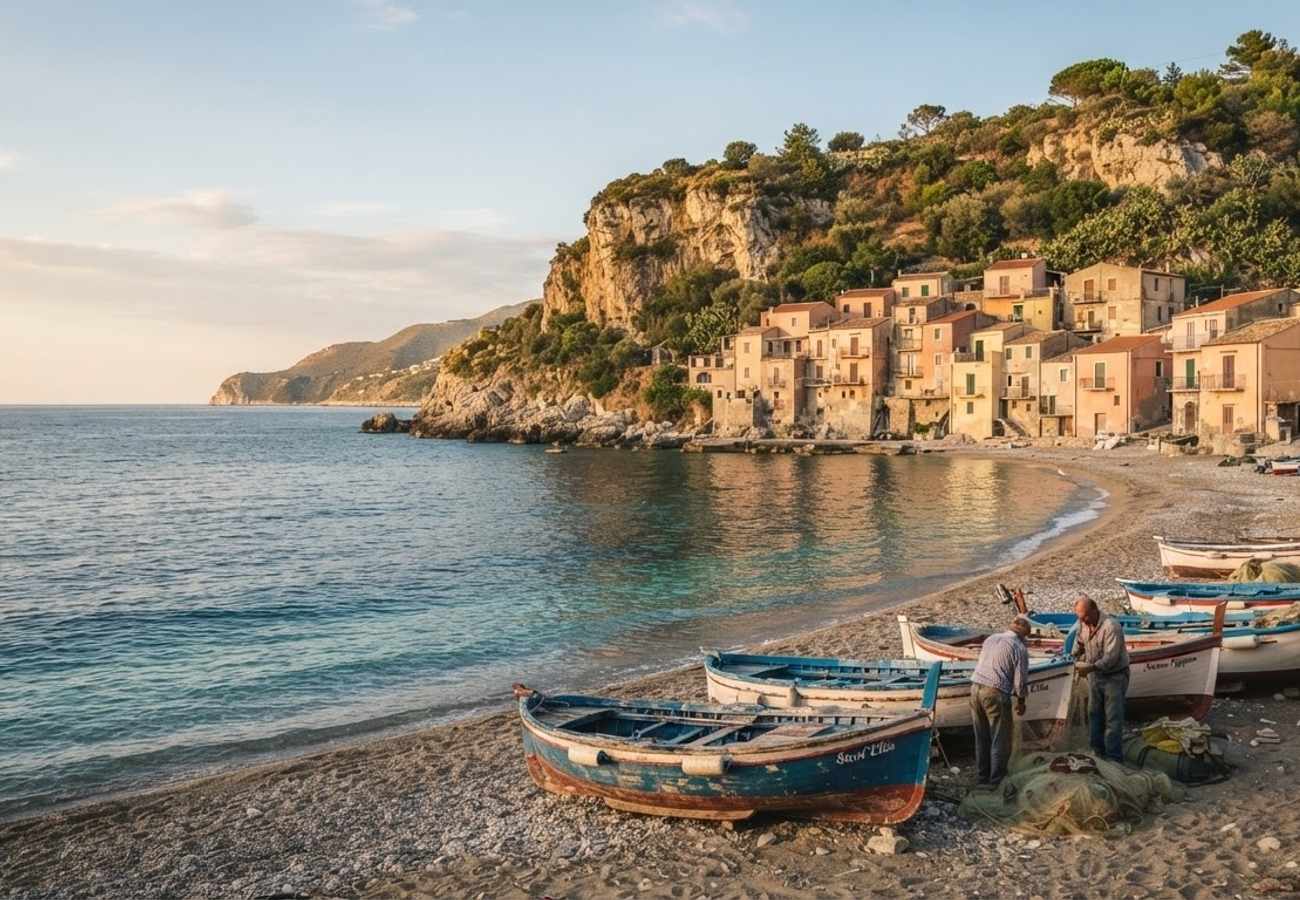
Image generated by AI
National tourism strategies for 2025 and 2026 are now aggressively redirecting visitor flows away from saturated hubs to the "99 percent" of Italy that remains largely unseen by international crowds.
The Local Trend Revealed
The era of the "big three" lakes—Como, Garda, and Maggiore—is facing a challenge from a new wave of exploration. In 2026, a distinct pivot is occurring as travelers seek beauty beyond the heavily promoted, overcrowded corridors of Venice, the Amalfi Coast, and Cinque Terre. This is not merely a change in preference but a coordinated effort by Italian tourism planners to ease congestion in urban centers and high-profile resorts.
Regional strategies for the 2026 season are designed to spread foot traffic across a wider map, pushing visitors toward alpine basins in Trentino and Piedmont, and secondary shorelines in Marche and Calabria. This shift is characterized by "slower stays," where the goal is to integrate with local communities rather than simply observing them from a tour bus.
Industry data indicates that 2026 group itineraries are evolving. Rather than treating quiet lakes or remote fishing villages as niche add-ons, these destinations are becoming headline experiences. This transition is driven by a growing demand for nature-focused trips, outdoor swimming, and authentic seaside towns that have not yet been transformed into commercialized tourist zones.
Cultural & Environmental Value
For the visitor, the real impact of this shift is a return to an Italy that feels lived-in rather than performed. By moving toward secondary destinations, travelers are directly supporting local economies that have historically been overlooked by the global tourism machine.
In the northern regions, destinations like Lake Levico are being positioned as bases for exploring the Valsugana area. Unlike the high-end resorts of Lake Como, these areas emphasize quiet beaches and lakeside promenades. In central and southern Italy, the focus has shifted to karst and volcanic lakes, where traditional fishing communities and birdlife remain the primary attraction.
On the coast, the movement is steering travelers toward the Tyrrhenian and Adriatic shores. In regions such as Cilento, Calabria, and parts of Sicily, the appeal lies in the preservation of the "working waterfront." Here, fishing boats still share the docks with modest beach clubs and family-run guesthouses. This model of tourism is inherently more sustainable; these smaller hubs possess the existing infrastructure to absorb visitors without requiring the drastic traffic controls and access restrictions now common in the Amalfi Coast.
Visitor Insider Tips
To truly experience these emerging regions without contributing to the very congestion you are trying to avoid, consider these local strategies:
- The Off-Peak Window: While summer remains popular, the "shoulder" seasons of May and September offer the most authentic experience. Local festivals in the Valsugana area often peak during these windows, providing a glimpse into regional heritage.
- Transport Logistics: Many of these gems are best reached via regional trains or secondary roads. Renting a small vehicle is often necessary for the final leg of the journey into the hinterlands of Piedmont or the coast of Calabria.
- Dining Etiquette: In these smaller villages, avoid searching for "top-rated" spots on global apps. Instead, look for trattorie that lack English menus; these are typically the heart of the community and offer the most authentic regional specialties.
- Sustainable Stays: Opt for Agriturismi (farm stays). These properties support local agriculture and ensure your spending stays within the immediate community.
Tourism Outlook
The rapid visibility of these "hidden" spots on social media creates a paradox: the more they are promoted, the faster they lose the quiet character that makes them attractive. To counter this, municipal planning documents for 2026 are already introducing limits. There is a growing emphasis on preventing the excessive conversion of local housing into short-term rentals to ensure that year-round residents aren't displaced.
The long-term success of this redistribution depends on the balance between economic growth and preservation. If Italy can successfully market its secondary destinations as spaces for slow, respectful travel, it may create a more resilient and equitable tourism economy.
The true luxury of 2026 is not a five-star hotel, but the silence of a shore where the only sound is the tide.
Related Travel Guides
Disclaimer
This article is for informational and educational purposes only. It does not constitute legal, financial, or professional advice. While we strive to provide accurate and up-to-date information, travel policies, regulations, and conditions change rapidly. Always verify information with official sources before making travel decisions. Nomad Lawyer makes no representations about the accuracy, reliability, completeness, or suitability of the information provided. Readers should consult qualified professionals for advice specific to their circumstances. The views expressed in this article are those of the author and do not necessarily reflect the views of Nomad Lawyer.
Kunal K Choudhary
Co-Founder & Contributor
A passionate traveller and tech enthusiast. Kunal contributes to the vision and growth of Nomad Lawyer, bringing fresh perspectives and driving the community forward.
Learn more about our team →