
Italy Tourism Forecast 2026: Ferragosto Expected to Draw 17.4 Million Visitors and €9 Billion in Spending
Italy is set to become Europe's premier summer destination in 2026, with 17.4 million tourists expected during the Ferragosto period, generating over €9 billion in direct economic impact.

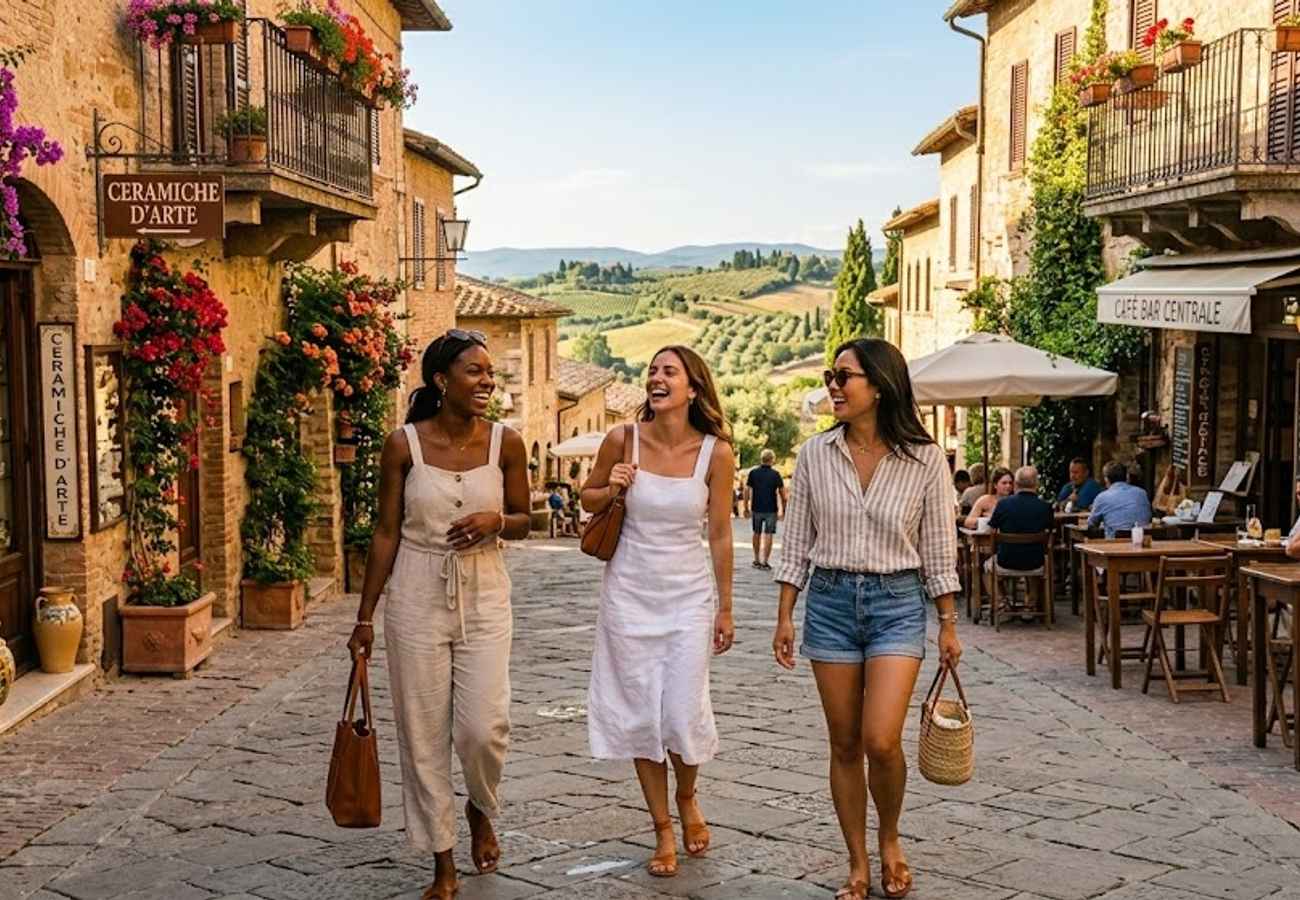
Image generated by AI
[Rome, August 1, 2026] — Italy is poised to dominate the European travel market this summer, with projections indicating that 17.4 million tourists will flood the peninsula between August 1 and August 23. This massive influx during the Ferragosto holiday period is expected to generate more than €9 billion in direct tourism revenue, marking one of the most successful summer seasons in the nation's recent history.
The surge in visitors is creating a significant economic windfall for a broad spectrum of stakeholders, from luxury hotel chains and international airlines to small-scale artisan workshops and rural agriturismos. As demand peaks for Italy's renowned beaches, historic urban centers, and culinary trails, the country is seeing a shift in how travelers consume the Italian experience, moving away from rigid package tours toward authentic, decentralized exploration.
Ferragosto 2026 Breaking Historical Tourism Records
The Ferragosto period has traditionally been the zenith of the Italian travel calendar, but 2026 is witnessing an unprecedented scale of activity. Data from CNA Turismo e Commercio reveals that the first three weeks of August are tracking toward record-breaking numbers, driven by a potent mix of domestic loyalty and an aggressive rise in international interest.
The breakdown of the projected 17.4 million visitors highlights a nearly equal split between domestic and foreign travelers. Specifically, 9 million international tourists are expected to arrive, while 8.4 million Italians are planning internal trips. This volume of movement is expected to result in more than 78 million overnight stays, with the average visitor spending 4.5 nights in the country.
While the direct expenditure is pegged at over €9 billion, the total economic ripple effect is significantly higher. When accounting for the broader ecosystem—including regional transport, retail sectors, museum admissions, and entertainment venues—the total economic contribution to the Italian GDP could exceed €15 billion.
International Demand Outpaces Domestic Growth
Foreign travelers have emerged as the primary catalyst for Italy's current tourism trajectory. According to figures released by Istat, the first quarter of 2026 already signaled a strong upward trend, with 23 million tourist arrivals and 71.6 million overnight stays recorded.
The growth metrics for early 2026 show a clear preference for Italy among global travelers:
- Overall arrivals grew by 4.2%.
- Total overnight stays increased by 7.5%.
- Foreign overnight stays saw a dramatic jump of 12.3%.
Currently, international visitors account for 54.6% of all overnight stays. This indicates that overseas demand is expanding at a faster rate than domestic tourism, with significant growth coming from North America, the United Kingdom, and other long-haul markets. This shift suggests that Italy's global brand—centered on heritage, gastronomy, and coastal luxury—is resonating more deeply than ever with high-spending international demographics.
Diversification of Popular Italian Destinations
A critical trend in 2026 is the "de-concentration" of tourism. While the "Big Three"—Rome, Venice, and Florence—remain primary magnets, there is a measurable shift toward secondary cities and hidden rural gems. Travelers are increasingly seeking "slow tourism" experiences, leading to a surge in popularity for regions that were previously considered niche.
High-performance zones currently include the Amalfi Coast, Salento, Sardinia, and Liguria. However, inland destinations like Matera, the Lucanian Dolomites, and the historic villages of Lazio are seeing unprecedented growth. The Conero Riviera, Costa dei Trabocchi, and the Molise Coast are also emerging as viable alternatives to the overcrowded hubs of the north.
This diversification is fueled by a change in traveler preferences. There is a growing demand for specialized niches, including:
- Gastronomy & Enology: Deep dives into wine regions and olive oil production.
- Active Tourism: A rise in cycling and walking holidays.
- Cultural Immersion: Increased interest in local music festivals and artisan craft workshops.
- Nature-Centric Stays: A preference for farm stays (agriturismo) and mountain lodges.
Comparative European Tourism Landscape 2026
Italy is operating within a highly competitive Mediterranean environment. While Spain and Greece remain formidable rivals for beach-goers, Italy's ability to blend urban history with rural nature provides a unique competitive edge.
| Country | Latest Tourism Position | Travel Trend | Key Visitor Appeal |
|---|---|---|---|
| Italy | Forecast 17.4 million Ferragosto tourists | Strong international growth | Beaches, heritage cities, gastronomy, villages, culture |
| Spain | Leading summer competitor | Strong Mediterranean demand | Beaches, islands, culture |
| Greece | High international attraction | High island tourism demand | Islands, cruises, beaches |
| France | Major inbound/domestic market | Strong cultural tourism | Paris, Riviera, wine regions |
| UK | Major outbound source market | Growing Mediterranean holidays | City breaks and beach holidays |
| Germany | Top inbound market for Italy | Stable summer demand | Lakes, mountains and coastal holidays |
| USA | Leading long-haul market | High-spending international visitors | Luxury travel, heritage tourism, food experiences |
Economic Impact and Spending Patterns
The Bank of Italy has provided data suggesting that the quality of spending is improving alongside the quantity of visitors. In April 2026, international visitor spending reached approximately €4.5 billion, a 2.1% increase year-on-year. During the same period, Italians spent roughly €2.7 billion abroad, allowing Italy to maintain a healthy tourism surplus.
This financial strength is supporting a wide array of infrastructure and services. The revenue is not merely staying within the hotel sector but is flowing into rail services, local transport, and the retail economy. By attracting "high-value" travelers—those who stay longer and spend more on authentic experiences—Italy is insulating its economy against the volatility of budget-driven mass tourism.
Accommodation Trends and Occupancy Rates
The Italian Ministry of Tourism reports that the hospitality sector is operating at near-capacity. Seaside destinations are recording occupancy rates of approximately 82% as the Ferragosto peak arrives. While traditional hotels in Rome, Naples, and Venice remain heavily booked, there is a noticeable shift toward alternative lodging.
The rise of boutique hotels, luxury resorts, and traditional agriturismos is helping to distribute tourist spending more evenly across the countryside. This shift prevents the "overtourism" crisis in city centers from stifling the overall economic benefit, as spending is pushed further into the rural provinces.
From a logistical standpoint, the strongest inbound flows continue to be driven by the United States (focusing on luxury and heritage), the United Kingdom (focusing on culture and coastlines), and Germany (focusing on lakes and mountains).
As Italy cements its status as the premier European summer hub, the challenge for 2026 will be balancing record-breaking economic gains with the preservation of the very authenticity that attracts millions of visitors.
Related Travel Guides
Disclaimer
This article is for informational and educational purposes only. It does not constitute legal, financial, or professional advice. While we strive to provide accurate and up-to-date information, travel policies, regulations, and conditions change rapidly. Always verify information with official sources before making travel decisions. Nomad Lawyer makes no representations about the accuracy, reliability, completeness, or suitability of the information provided. Readers should consult qualified professionals for advice specific to their circumstances. The views expressed in this article are those of the author and do not necessarily reflect the views of Nomad Lawyer.
Raushan Kumar
Founder & Lead Developer
Full-stack developer with 11+ years of experience and a passionate traveller. Raushan built Nomad Lawyer from the ground up with a vision to create the best travel and law experience on the web.
Learn more about our team →