
Travel Israeli Airspace Closure: Southeast Asia Routes Rerouted Until April 2026
Israeli airspace closure through mid-April 2026 forces major airlines to reroute Thailand and Southeast Asia flights. Learn alternative paths, cost impacts, and booking strategies for spring travelers.

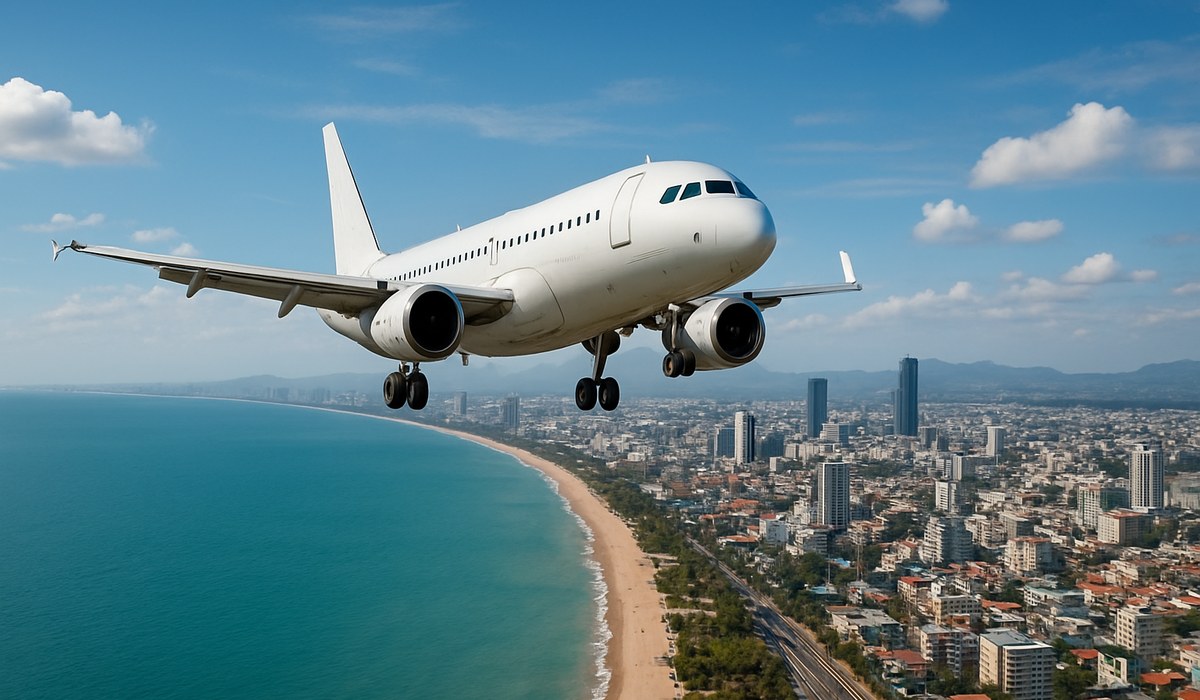
Image generated by AI
Quick Summary
- Israeli airspace restrictions extend through mid-April 2026, affecting 40+ daily international routes
- Airlines are rerouting Bangkok, Ho Chi Minh City, and Singapore-bound flights through European and Gulf hubs
- Alternative routes add 2–5 hours to journey times but can reduce ticket prices by 12–18% on secondary markets
- Use real-time tracking tools to monitor your specific flight path and negotiate flexibility clauses during booking
If you're booking a Thailand getaway this spring, your flight itinerary just got more complicated—but savvy travelers can turn the Israeli airspace shutdown into a competitive advantage.
Beginning March 28, 2026, the Israeli aviation authority closed most of its airspace to commercial traffic. The restriction continues through April 15, fundamentally reshaping how carriers move passengers between Europe, North America, and Southeast Asia. This isn't just bad news for Tel Aviv-bound travelers; it's reshaping the economics of every flight routing through the Eastern Mediterranean and Middle East corridors.
The closure forces airlines operating major Southeast Asia services—including Lufthansa, Air France, British Airways, Emirates, and Thai Airways—to completely abandon their traditional flight paths. Instead of cutting across Israeli territory and the eastern Mediterranean, carriers are now steering aircraft through two primary alternatives: the northern European route via Scandinavia and the Gulf route skirting around Saudi airspace.
Why Israeli Airspace Closure Affects Your Thailand Flight (Even If You're Not Going There)
The mathematics are straightforward. Israeli airspace sits at the crossroads of three continents. For airlines moving passengers from London to Bangkok or Frankfurt to Ho Chi Minh City, the direct routing—cutting down through the Mediterranean, the Suez Canal corridor, and across the Middle East—represented the most efficient path. This route saved carriers roughly 90 minutes of flight time compared to northern alternatives.
That 90 minutes translates directly to fuel savings, crew scheduling efficiency, and aircraft rotation optimization. Remove it from the equation, and the entire supply chain breaks.
David Frankel, senior aviation analyst at the International Air Transport Association, noted in late March that "approximately 2,400 weekly flight operations across Europe, the Middle East, and Asia-Pacific regions require rerouting." Not all of these are passenger flights—many are cargo operations and positioning flights—but the passenger impact is significant. Airlines operating trunk routes to Thailand, Vietnam, and Singapore are absorbing the operational costs and, in many cases, pushing those costs toward consumers through fuel surcharges or dynamic pricing.
The closure also intersects with another geopolitical reality: broader Red Sea shipping disruptions affecting air freight networks. When maritime routes face restrictions, air cargo capacity becomes scarce, driving up costs for anyone shipping goods via air. Passenger airlines, which operate with integrated revenue streams (combining passenger and cargo revenue), are adjusting pricing models accordingly. Your economy ticket to Bangkok might be subsidizing a shortage of cargo capacity elsewhere on that aircraft.
Alternative Routing Options: Europe, Gulf, and Asian Gateway Paths Explained
Airlines have identified three primary rerouting strategies for long-haul Asia-bound traffic.
The Northern European Circuit: Carriers departing London Heathrow or Frankfurt operate departures further north than usual, routing over Scandinavia, through Russian airspace (where permissions hold), and down across Central Asia toward South Asian hubs like Delhi or Bangalore. From there, aircraft continue to Southeast Asia. This adds approximately 2 hours to total journey time but distributes the extra distance across multiple flight segments if airlines opt for a stopover model.
The Gulf Coastal Route: Aircraft now follow a path that skirts the western edge of Saudi Arabia, routes through Gulf airspace (primarily via Oman's Flight Information Region), and then proceeds eastbound. This option, favored by Emirates, Qatar Airways, and Etihad, remains viable because these carriers operate significant hub operations in Dubai, Doha, and Abu Dhabi. For them, the closure actually creates an opportunity to funnel more traffic through their primary hubs.
The Indian Subcontinent Gateway: Some carriers are negotiating additional stopover rights in India, feeding passengers through Delhi, Bangalore, or Mumbai before continuing to Thailand or Vietnam. This model increases flight time but creates revenue opportunities through connecting passengers, ground services, and potential crew changes. Thai Airways has expanded its partnership with regional carriers to facilitate these routings; see Thai Airways partnership expansion for details on how these alliances are reshaping capacity.
FlightAware and other aviation tracking services show that the average rerouted flight to Bangkok is now consuming approximately 2.5 additional hours compared to pre-closure baselines. For a typical London-to-Bangkok service, this shifts an 11-hour direct flight into a journey lasting 13.5 to 14.5 hours—though many airlines are now incorporating brief stops in Munich, Vienna, or Gulf hubs, extending total travel time further.
Cost Impact Analysis: When Longer Routes Actually Save Money
Here's where the closure creates unexpected opportunity.
Because airlines are burning more fuel on rerouted flights, you'd expect ticket prices to climb uniformly. Instead, market dynamics are more nuanced. Several factors are at play:
First, major carriers like Lufthansa and Air France have absorbed routing costs rather than immediately raising fares, fearing demand destruction during shoulder season travel. They're managing the hit through fuel surcharge adjustments and premium cabin pricing, which means economy-class prices in some markets have actually declined.
Second, the closure is forcing secondary carriers and new entrants to compete more aggressively. Turkish Airlines, which operates one of the most flexible routing networks through Turkish airspace and the Black Sea region, has dropped prices on several Europe-to-Asia routes by 12–15% to capture market share from carriers with fewer routing options.
Third, passengers willing to embrace longer travel times—or to incorporate stopover opportunities—are discovering genuine savings. A passenger booking London to Bangkok for late April, willing to accept a 15-hour journey with a 6-hour stopover in Vienna or Dubai, might find fares 15–20% cheaper than pre-closure pricing. These fares are subsidizing the airlines' operational losses; they're betting on premium cabin and baggage revenue to offset the per-seat discount.
According to Skyscanner data from late March, roundtrip economy fares from major European gateways to Thailand averaged €680–€780 ($740–$850 USD equivalent), compared to a historical March average of €720–€820 before the closure announcement. The dip is real, though it reflects pricing competition more than sustained savings.
The counter-intuitive lesson: the closure is creating arbitrage opportunities for flexible, timing-conscious travelers.
Booking Strategy: How to Lock in Flexibility During the Closure Period
Now that you understand the routing chaos, how do you actually book?
Step 1: Accept uncertainty in flight times. When you book between now and April 15, airlines cannot guarantee your exact departure and arrival times. The schedule will reflect a rerouted itinerary, but specific times remain subject to change. Confirm 72 hours before departure, not 2 weeks before.
Step 2: Prioritize flexible tickets. Standard economy fares on most European carriers now come with €60–€120 change fees if your flight time shifts by more than 2 hours. Upgrade to flexible or premium economy options, which waive these penalties. The extra €40–€80 investment protects you against routing adjustments.
**Step 3: Use stop
Disclaimer
This article is for informational and educational purposes only. It does not constitute legal, financial, or professional advice. While we strive to provide accurate and up-to-date information, travel policies, regulations, and conditions change rapidly. Always verify information with official sources before making travel decisions. Nomad Lawyer makes no representations about the accuracy, reliability, completeness, or suitability of the information provided. Readers should consult qualified professionals for advice specific to their circumstances. The views expressed in this article are those of the author and do not necessarily reflect the views of Nomad Lawyer.
Kunal K Choudhary
Co-Founder & Contributor
A passionate traveller and tech enthusiast. Kunal contributes to the vision and growth of Nomad Lawyer, bringing fresh perspectives and driving the community forward.
Learn more about our team →