
Boeing 737 Fuel Dump Mystery: Why One of the World's Most Popular Aircraft Has a Critical Design Limitation
Breaking airline news and aviation industry updates for 2026.

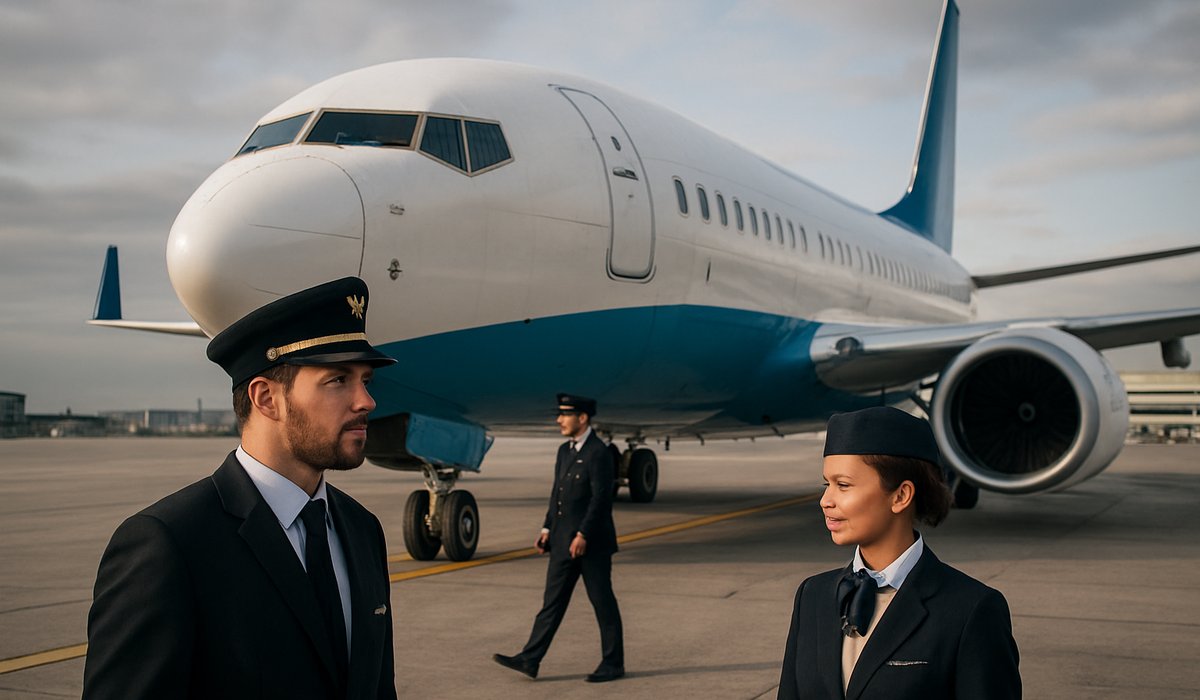
Image generated by AI
Boeing 737 Fuel Dump Mystery: Why One of the World's Most Popular Aircraft Has a Critical Design Limitation
A design choice decades ago left the 737 without fuel-jettison capability, creating complex operational challenges for airlines and pilots worldwide
The Critical Gap in a Workhorse Aircraft
The Boeing 737, which operates approximately 10,000 flights daily across global aviation networks, carries a significant operational constraint that few passengers realize: the aircraft cannot dump fuel mid-flight—a capability standard on nearly every other commercial jetliner. This design limitation, rooted in engineering decisions made when the 737 first entered service, has created genuine safety and operational complexities that airlines and pilots must navigate in emergency situations.
Why Fuel Dumping Matters in Aviation
When an aircraft encounters critical in-flight emergencies—engine failure, structural damage, or hydraulic system malfunctions—pilots face a fundamental physics problem: landing an aircraft at maximum weight increases structural stress, extends landing distances, and risks exceeding runway capacity at alternative airports. Fuel-jettison systems, standard on Boeing 777, 787, and 747 models, allow crews to reduce aircraft weight rapidly, enabling safer returns to the nearest suitable airfield.
The 737's absence of this capability stems from its original design specifications in the 1960s, when the aircraft was engineered as a narrow-body, short-to-medium-range airliner with relatively modest fuel loads. Engineering teams calculated that fuel dumping was unnecessary for aircraft operations within those parameters—a decision that inadvertently became locked into the airframe's DNA across all subsequent generations.
Operational Workarounds and Real-World Impact
When 737 pilots declare emergencies requiring immediate landing, they implement alternative protocols: holding patterns to burn fuel naturally, reducing thrust on functioning engines, or requesting longer runways equipped to handle overweight landings. Airlines operating 737 fleets absorb additional costs through fuel waste, extended flight times, and potential aircraft stress—factors that impact both safety margins and operational economics.
The newer 737 MAX, despite its redesigned engines and advanced systems, maintains this inherited limitation, raising questions about whether modern aviation standards adequately address legacy design constraints.
Industry Perspective
Aviation safety engineers note that while modern 737 variants operate safely within their design envelope, the fuel-dumping gap represents a capability disparity compared to competing aircraft. Airlines privately acknowledge the limitation affects emergency response flexibility, though regulatory authorities have determined current 737 operations remain within acceptable safety parameters.
FAQ: Boeing 737 Fuel Dumping and Aviation Safety
Can the Boeing 737 dump fuel in emergencies? No, the 737 lacks fuel-jettison systems due to its original 1960s design specifications. Pilots must use alternative procedures like holding patterns or request longer runways.
Do all commercial aircraft need fuel-dumping capability? Larger aircraft on long-range routes typically include fuel-dump systems. Smaller aircraft may not require them based on operational parameters and regulatory guidelines.
Is the lack of fuel dumping a safety risk? Aviation regulators classify current 737 operations as safe, though the absence of fuel dumping reduces emergency response flexibility compared to competing aircraft.
Why hasn't Boeing retrofitted the 737 with fuel-dump systems? Structural modifications to add jettison capability would require extensive redesign, significant costs, and regulatory recertification across the global 737 fleet.
How does this affect passenger safety? While design limitations exist, commercial aviation remains statistically the safest transport mode, with multiple redundant safety systems compensating for individual design constraints.
Related Travel Guides
Flight Delay Compensation Guide 2026
Understanding Airline Route Changes
Airport Security Process Updated (2026)
External Resources
Disclaimer
This article is for informational and educational purposes only. It does not constitute legal, financial, or professional advice. While we strive to provide accurate and up-to-date information, travel policies, regulations, and conditions change rapidly. Always verify information with official sources before making travel decisions. Nomad Lawyer makes no representations about the accuracy, reliability, completeness, or suitability of the information provided. Readers should consult qualified professionals for advice specific to their circumstances. The views expressed in this article are those of the author and do not necessarily reflect the views of Nomad Lawyer.
Kunal K Choudhary
Co-Founder & Contributor
A passionate traveller and tech enthusiast. Kunal contributes to the vision and growth of Nomad Lawyer, bringing fresh perspectives and driving the community forward.
Learn more about our team →