
Airbus A350 vs Boeing 787: Which Long-Haul Widebody Truly Delivers Superior Passenger Comfort?
Breaking airline news and aviation industry updates for 2026.

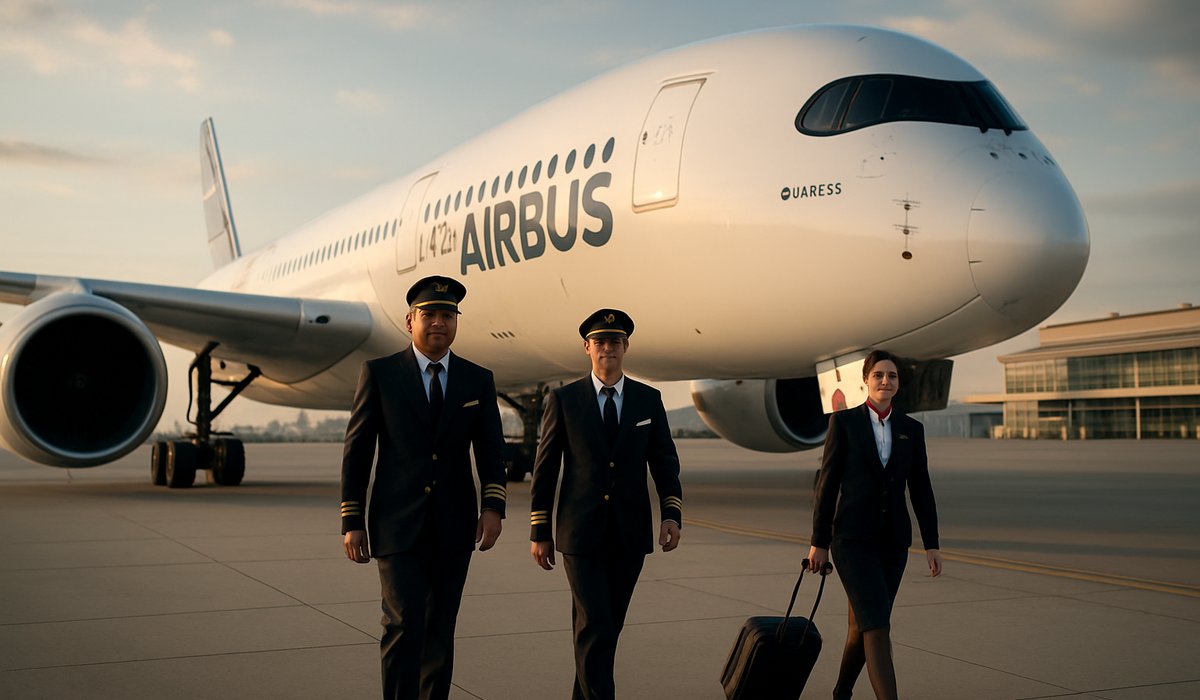
Image generated by AI
Airbus A350 vs Boeing 787: Which Long-Haul Widebody Truly Delivers Superior Passenger Comfort?
A comparative analysis of two next-generation aircraft reshaping the international aviation landscape
The Competitive Landscape Takes Shape
The aviation industry's most significant widebody rivalry is intensifying as airlines worldwide grapple with fleet modernization decisions. While the Airbus A350 and Boeing 787 Dreamliner operate across different market segments, their specifications place them in direct competition for ultra-long-range international routes—a crucial battleground for carriers pursuing premium profitability on transcontinental networks.
The distinction between these aircraft extends beyond raw passenger capacity. The 787, engineered as a fuel-efficient, mid-size widebody, prioritizes operational economics and runway flexibility. Conversely, the A350 positions itself as a 777-class competitor, delivering increased seating density alongside advanced technological systems. Yet their true significance lies not in these differences alone, but in the overlapping capabilities of their long-range variants—particularly the 787-9 and both A350 iterations—which directly compete for the same premium routes carrying high-value international passengers.
Technological Innovation and Passenger Experience
Both aircraft represent the cutting edge of modern aviation engineering, incorporating comparable generational advances in cabin pressurization, humidity management, and structural materials. These systems fundamentally influence passenger comfort on extended flights spanning 15+ hours.
The 787 Dreamliner pioneered several comfort-focused features now standard in contemporary widebodies, including higher cabin pressure equivalent to 6,000 feet rather than the traditional 8,000-foot standard, along with advanced air filtration and moisture retention systems. The A350 mirrors these innovations while introducing its own enhancements, featuring similar pressurization standards and complementary cabin technology designed to reduce fatigue on marathon flights.
The Real Competitive Edge
Industry analysts emphasize that direct comfort comparisons require nuanced assessment. Airlines customizing these aircraft for specific route networks make dramatically different decisions regarding seat pitch, cabin density, and premium service offerings—variables that often prove more consequential for passenger experience than the aircraft's inherent design specifications.
The 787's advantage centers on operational flexibility: reduced fuel consumption permits deployment on thinner routes and smaller airports, broadening its commercial appeal. The A350 compensates through raw capacity and range capabilities, allowing carriers to optimize unit economics on high-demand premium corridors where additional seats directly translate to increased revenue.
Both manufacturers continue competing fiercely for orders from major international carriers, with fleet decisions influencing aviation's environmental trajectory and long-haul travel affordability for decades ahead.
Frequently Asked Questions
Is the Airbus A350 more spacious than the Boeing 787? The A350 typically offers greater cabin width and passenger capacity due to its larger fuselage, though actual comfort depends on airline seating configurations rather than aircraft alone.
Which aircraft is more fuel-efficient for airlines? The Boeing 787 Dreamliner burns less fuel per flight hour, making it ideal for cost-conscious carriers, while the A350 achieves efficiency gains through larger passenger volumes on high-demand routes.
Do both aircraft offer the same cabin pressurization benefits? Yes—both maintain equivalent cabin pressure standards and advanced humidity control systems designed to minimize fatigue on ultra-long-haul flights.
Which plane is better for international travel? Both excel on transcontinental routes. Your experience depends on seat selection, airline service standards, and route-specific configurations rather than aircraft type.
How do these aircraft impact airline ticket prices? Operational economics tied to fuel consumption, maintenance costs, and capacity influence pricing strategies, though neither aircraft dramatically reduces fares independently.
Related Travel Guides
External Resources
Disclaimer
This article is for informational and educational purposes only. It does not constitute legal, financial, or professional advice. While we strive to provide accurate and up-to-date information, travel policies, regulations, and conditions change rapidly. Always verify information with official sources before making travel decisions. Nomad Lawyer makes no representations about the accuracy, reliability, completeness, or suitability of the information provided. Readers should consult qualified professionals for advice specific to their circumstances. The views expressed in this article are those of the author and do not necessarily reflect the views of Nomad Lawyer.
Preeti Gunjan
Contributor & Community Manager
A passionate traveller and community builder. Preeti helps grow the Nomad Lawyer community, fostering engagement and bringing the reader experience to life.
Learn more about our team →