
Ireland's Great Western Greenway Reopens After Landowner Dispute and Legal Battle Over Access 2026
The Great Western Greenway in Mayo resumes operations following a legal dispute and the installation of new swing gates at Kilmeena, highlighting ongoing tensions between public tourism infrastructure and private land rights in Ireland.

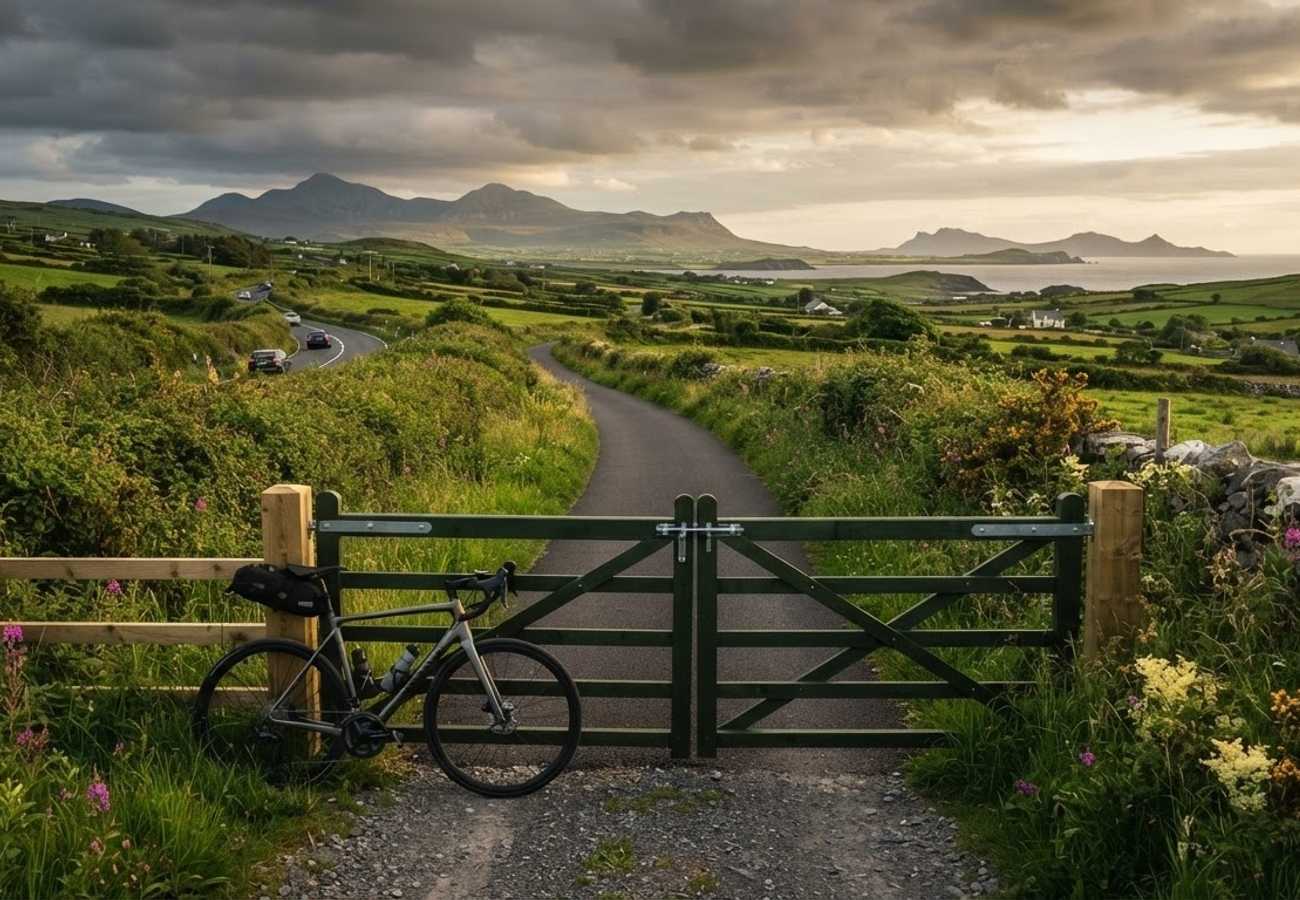
Image generated by AI
The Great Western Greenway in County Mayo has officially resumed operations following a legal dispute between a private landowner and the Mayo County Council.
The resolution comes after a period of restricted access that forced cyclists off the dedicated trail and onto high-traffic public roads, sparking significant safety concerns and legal scrutiny.
Restoration of Access at Kilmeena
The conflict centered on a specific section of the route near the N59 road at Kilmeena. Following a series of negotiations and a lawsuit, an agreement was reached to allow the trail to reopen. As part of this settlement, swing gates are currently being installed at the entrance point to satisfy landowner requirements.
During the closure, the impact on trail users was immediate and hazardous:
- Cyclists were forced to divert onto approximately 150 metres of a busy public road.
- Some users attempted to bypass the restriction by lifting bicycles over locked gates.
- The disruption occurred during the peak summer season, affecting both domestic and international tourists.
Infrastructure and Accessibility Conflict
While the reopening is a victory for tourism operators, the specific nature of the new infrastructure has triggered a secondary debate. The installation of swing gates—as opposed to standard staggered barriers—requires cyclists to come to a complete stop and dismount to operate the gate.
Local representatives and cycling advocacy groups argue that this design creates significant barriers for:
- Users of cargo bikes or oversized bicycles.
- Travelers with specific mobility requirements.
- Families and elderly visitors.
Legal Framework of Irish Greenways
This dispute exposes a systemic vulnerability in Ireland's tourism infrastructure: the reliance on permissive access. Many of the nation's most successful trails exist through voluntary agreements with private landowners rather than through permanent land acquisition.
Our analysis of the current situation suggests that these "handshake" or temporary agreements leave local authorities with limited legal recourse when disputes arise, potentially risking the sudden closure of critical tourism assets.
Route Impact and Economic Value
The Great Western Greenway is a cornerstone of the Mayo economy. Since its inception in 2011, it has served as a primary driver for local hospitality and rental businesses.
| Detail | Specification |
|---|---|
| Route Range | Westport to Achill |
| Opening Year | 2011 |
| Critical Conflict Point | Kilmeena (near N59 road) |
| Diversion Distance | ~150 metres onto public road |
| Proposed Extension | Belclare to Murrisk |
Why This Matters: The Industry Implication
For travelers and tour operators, this incident is a warning that "dedicated" trails in Ireland are not always legally guaranteed. From a logistical perspective, the shift toward swing gates reduces the "flow" of the trail, transforming a seamless cycling experience into a stop-and-start journey.
More importantly, this case sets a precedent for the proposed extension between Belclare and Murrisk. The difficulties in land acquisition for that segment suggest a shift in strategy. Industry observers note that Mayo County Council may now move away from voluntary agreements in favor of compulsory purchase orders (CPOs) to ensure permanent, uninterrupted public access.
Forward Outlook
Expect increased legal friction between local councils and landowners as Ireland expands its greenway network to meet rising demand for outdoor tourism. The "Kilmeena model" of installing restrictive gates may become a common compromise, but it will likely face ongoing pushback from accessibility advocates.
The long-term viability of these routes now depends on whether the Irish government transitions from permissive access to statutory land ownership to prevent future litigation and safety hazards.
The balance between private property rights and public tourism remains a volatile frontier for Irish infrastructure.
Related Travel Guides
Disclaimer
This article is for informational and educational purposes only. It does not constitute legal, financial, or professional advice. While we strive to provide accurate and up-to-date information, travel policies, regulations, and conditions change rapidly. Always verify information with official sources before making travel decisions. Nomad Lawyer makes no representations about the accuracy, reliability, completeness, or suitability of the information provided. Readers should consult qualified professionals for advice specific to their circumstances. The views expressed in this article are those of the author and do not necessarily reflect the views of Nomad Lawyer.
Preeti Gunjan
Contributor & Community Manager
A passionate traveller and community builder. Preeti helps grow the Nomad Lawyer community, fostering engagement and bringing the reader experience to life.
Learn more about our team →