
Iraq's Game-Changing Nasiriyah Airport Opens This Year
Iraq's Nasiriyah International Airport launches soon, transforming regional air travel and connecting Kuwait, Iran, Saudi Arabia, and Turkey through modern aviation infrastructure.

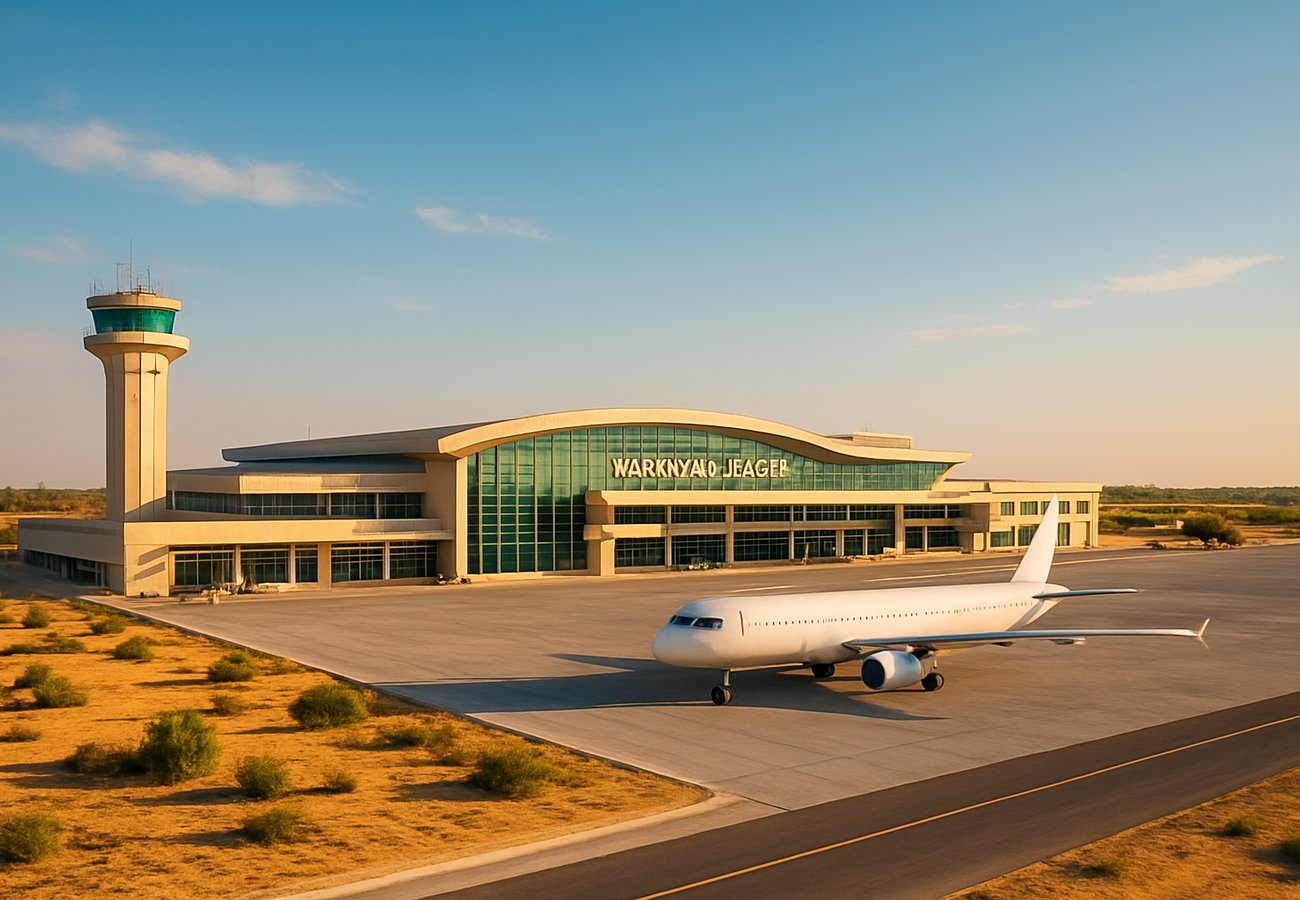
Image generated by AI
Iraq's Historic Aviation Moment: What's Coming to Dhi Qar
Iraq is about to reshape Middle Eastern air travel. In the coming months, Nasiriyah International Airport in Dhi Qar province will officially open—a project that has been years in the making and carries massive implications for the entire region.
This isn't just another airport opening. Kuwait, Iran, Saudi Arabia, Turkey, Jordan, Syria, and UAE officials have all been watching this development closely. Why? Because once operational, this airport becomes a strategic crossroads that fundamentally changes how people, goods, and capital move across the Middle East.
Reddit: "This could be huge for southern Iraq tourism. Finally getting modern infrastructure in Dhi Qar." — r/travel
The Infrastructure That Changed Everything
The 3,400-meter runway can handle everything from regional turboprops to massive wide-body aircraft like the Boeing 777 and Airbus A350. This matters because it means major international carriers won't need to route through Baghdad or other hubs anymore.
The terminal complex includes dedicated facilities for international passengers, a VIP terminal for dignitaries and business travelers, and an advanced air traffic control tower. Taxiways, aprons, and parking facilities are designed to handle simultaneous operations without bottlenecks.
The airport features modern check-in systems, security screening that meets international standards, power generation, fuel storage with capacity for daily operations, and fire-fighting infrastructure. Every detail has been engineered to match global aviation benchmarks.
The Numbers Tell a Clear Story
Starting operations, Nasiriyah will handle 750,000 passengers annually. But the real ambition lies in the expansion roadmap: 2.5 million passengers per year within ten years.
That's not just growth—that's transformation. For context, airports of this scale create thousands of jobs across operations, hospitality, transport, and retail sectors. Hotels, restaurants, ground transportation services, and tourism operators are already positioning themselves for the influx.
Who Wins and Why
Kuwait gains faster access to southern Iraq for business and leisure travel. Saudi Arabia's religious tourists get improved connectivity to historical sites in Dhi Qar. Iran, sharing Iraq's eastern border, benefits from streamlined passenger flows. Turkey's regional aviation networks can now route south through Iraq more efficiently.
Syria gets a reintegration pathway into regional travel networks. The Gulf states see new business opportunities and trade linkages. This airport becomes the connecting tissue that binds the region together.
The Tourism Transformation Nobody's Talking About
Dhi Qar isn't just geography—it's archaeology. Ancient Sumerian cities, historical landmarks, and cultural heritage sites have been largely inaccessible to international tourists due to transportation constraints. Nasiriyah Airport changes that equation overnight.
Visitors from across the Middle East can now fly directly to southern Iraq, spend days exploring ancient ruins, stay in new hospitality developments, and spend money in local economies. The multiplier effect cascades: hotels expand, restaurants open, tour guides find work, crafts businesses thrive.
The Iraqi government has explicitly tied this airport to its broader Development Road strategy—an ambitious infrastructure plan connecting transport corridors across the country. Nasiriyah Airport serves as the southern anchor point.
International Standards, Regional Impact
The airport's design adheres to International Civil Aviation Organization (ICAO) standards, ensuring safety and reliability that major carriers require. Staff training protocols, operational readiness programs, and regulatory compliance frameworks are being prioritized to ensure smooth launch operations.
This compliance matters because airlines only operate where they're confident infrastructure and oversight meet their safety requirements. By meeting international benchmarks, Iraq signals it's serious about becoming a reliable regional player.
The Strategic Chess Move
What makes Nasiriyah different from previous Iraqi aviation projects is its positioning. Located in the south, it creates a new hub that doesn't rely on Baghdad—historically a bottleneck. Airlines can now establish competing routes, reducing costs and increasing frequency.
New flight corridors connecting southern Iraq to Kuwait City, Tehran, Riyadh, Istanbul, Amman, and Damascus become viable. That's not just airline routing—that's geopolitical restructuring through aviation.
Reddit: "This changes everything for business travelers in the Gulf. Direct flights from the south instead of routing through Baghdad." — r/aviation
What Happens Next
As the launch date approaches, watch for these developments: airline partnerships, new route announcements, hotel construction acceleration, and ground transportation expansion. Saudi carrier Saudia, Emirates, Turkish Airlines, and Iran Air will likely announce service within weeks of opening.
The Iraqi government has positioned ground support infrastructure—fuel, catering, maintenance facilities—to handle multiple carriers simultaneously. This competitive environment drives innovation and efficiency.
The Bigger Picture
This airport represents Iraq's commitment to modernizing transport infrastructure and integrating into regional economies. It's infrastructure-as-diplomacy: by building connectivity, Iraq rebuilds relationships with neighbors.
The phased expansion approach—starting at 750,000 passengers and scaling to 2.5 million—allows operational learning without overwhelming systems. It's a measured strategy that prioritizes reliability over aggressive expansion.
For travelers, this means choices. For businesses, it means efficiency. For the region, it means integration. For Dhi Qar province, it means transformation.
Nasiriyah isn't just opening an airport—it's opening a door.
Related Travel Guides
Thailand THIM App Slashes Immigration Wait Times to 3 Minutes
Disclaimer
This article is for informational and educational purposes only. It does not constitute legal, financial, or professional advice. While we strive to provide accurate and up-to-date information, travel policies, regulations, and conditions change rapidly. Always verify information with official sources before making travel decisions. Nomad Lawyer makes no representations about the accuracy, reliability, completeness, or suitability of the information provided. Readers should consult qualified professionals for advice specific to their circumstances. The views expressed in this article are those of the author and do not necessarily reflect the views of Nomad Lawyer.
Kunal K Choudhary
Co-Founder & Contributor
A passionate traveller and tech enthusiast. Kunal contributes to the vision and growth of Nomad Lawyer, bringing fresh perspectives and driving the community forward.
Learn more about our team →