
Iran Strait of Hormuz Blockade Threatens Global Energy Crisis in 2026
Iran's Strait of Hormuz blockade creates an unprecedented energy hostage crisis affecting global supply chains in 2026. While the U.S. claims it can tolerate disruption, Europe and Asia face mounting economic pressure as oil prices surge past $150 per barrel.

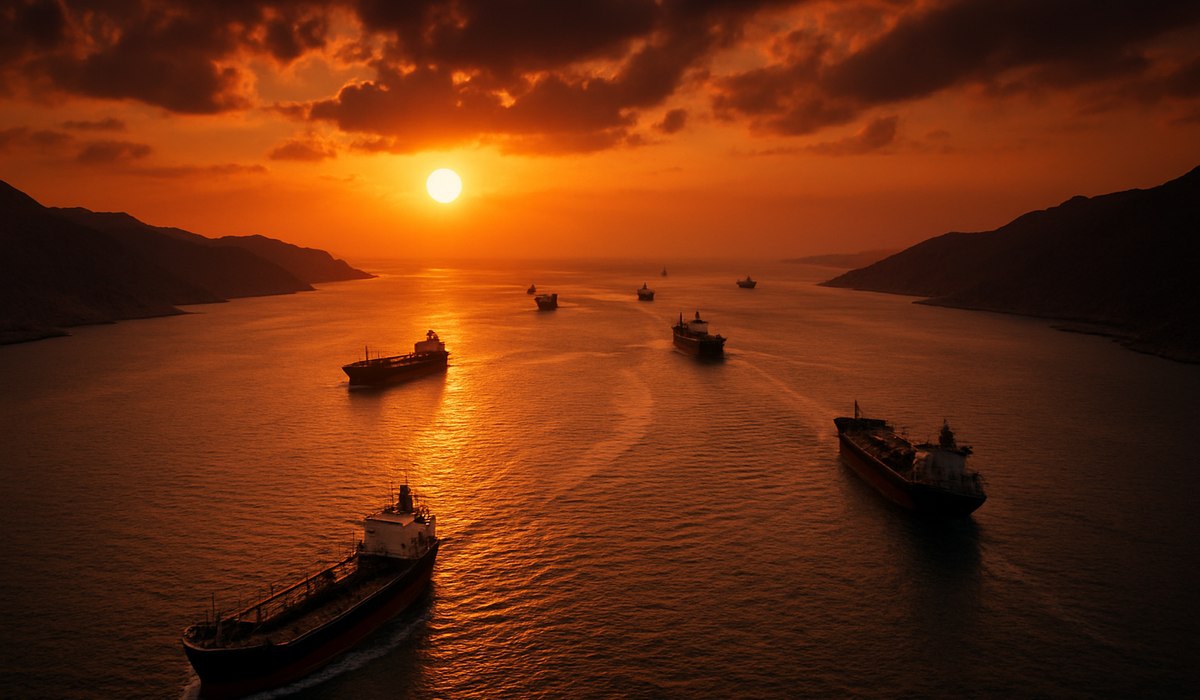
Image generated by AI
The Iran Strait of Hormuz Energy Hostage Crisis Unfolding Now
Iran's control of the Strait of Hormuz has triggered a severe energy hostage crisis with far-reaching global consequences. On March 31, 2026, geopolitical tensions escalated when Iran implemented shipping restrictions affecting one of the world's most critical maritime chokepoints. The blockade threatens to disrupt nearly 20% of the planet's oil and liquefied natural gas supply, fundamentally reshaping international travel routes and supply chain economics. Unlike traditional closure, Iran's strategy involves selective interference with vessels transiting the waterway, creating unpredictable delays and security risks. This calculated approach differs from outright military blockade but delivers equally destabilizing consequences for global commerce and energy markets.
Why U.S. Decision-Making Shifts Responsibility Away from America
The Trump administration's position reflects fundamental changes in American energy independence achieved over the past decade. The United States now produces sufficient domestic oil to meet most national demand, reducing reliance on Gulf supplies that once constituted the backbone of American energy security. North American supply chain integration and shale production advances mean Washington can credibly argue that Hormuz disruptions represent a manageable economic inconvenience rather than existential threat.
However, this assessment masks a critical vulnerability: the Iran Strait of Hormuz blockade still impacts American fuel prices regardless of direct imports. Global crude benchmarks—Brent and West Texas Intermediate—respond immediately to supply disruptions, automatically inflating gasoline and diesel costs across the United States. March 2026 saw crude prices surge 40-50%, with projections suggesting $150-200 per barrel scenarios if disruption persists. American gas prices have already climbed above $4 per gallon, the highest level since 2022. The White House frames these impacts as economically tolerable, but this calculation effectively transfers burden to trading partners more vulnerable to energy shocks. Learn more about global energy market dynamics and geopolitical risk.
Europe's Mounting Energy Security Dilemma
Europe cannot afford to dismiss the Iran Strait of Hormuz blockade as Washington has attempted. While European nations receive only 3.8% of crude directly through Hormuz, their exposure to Gulf region energy remains substantial: approximately 20% of oil imports and 5% of gas imports originate from that zone. More critically, 57% of Europe's total energy supply depends on imports, with oil and gas comprising over 90% of imported energy.
This structural dependency means European economies face immediate inflationary pressure from sustained disruption. Diesel and jet fuel costs drive industrial expenses, transportation fees, and ultimately consumer prices across the continent. Prime Minister Keir Starmer's government announced expanded coordination efforts in early March to ensure shipping continuity, signaling that Britain and allied nations cannot simply wait for American military action. European governments face a stark choice: absorb prolonged energy inflation and recession risk, or independently secure maritime access through naval coalition-building and diplomatic leverage. For decades, securing strategic chokepoints remained a U.S.-led responsibility. The Iran Strait of Hormuz blockade now forces Europe to recalibrate its geopolitical burden-sharing assumptions. Explore European energy policy responses.
Asian Economies Face Supply Chain Catastrophe
Asia's vulnerability to the Iran Strait of Hormuz blockade dramatically exceeds Western exposure. Japan, South Korea, Singapore, and other regional economies depend overwhelmingly on Gulf oil flowing through this waterway. Supply disruptions threaten manufacturing competitiveness, electricity generation stability, and consumer purchasing power across the continent.
India and other South Asian nations similarly rely heavily on Iranian and Gulf crude imports. The blockade forces Asian governments to diversify suppliers rapidly, negotiate premium pricing with alternative sources, and explore strategic petroleum reserves. Shipping delays compound supply chaos—vessels waiting offshore endure uncertain timelines, insurance costs spike, and container traffic congestion propagates backward through global logistics networks. These compounding effects create cascading disruptions affecting manufactured goods, agricultural products, and technology supply chains linking Asia to Western markets.
Critical Global Supply Chain Data
| Metric | Value | Impact |
|---|---|---|
| World oil supply via Strait of Hormuz | ~20% | Price sensitivity across all economies |
| Brent crude price surge (March 2026) | +40-50% | Energy inflation acceleration |
| Projected price ceiling (worst case) | $150-200/barrel | Severe recessionary pressure |
| U.S. gasoline price (April 2026) | $4.00+/gallon | Consumer purchasing power decline |
| Europe's imported energy dependence | 57% of total supply | Structural vulnerability to disruption |
| Europe's Gulf region energy sourcing | 20% oil, 5% gas | Significant geopolitical exposure |
| Asia's Gulf crude dependence | 60-80% (varies) | Supply chain catastrophe risk |
| Vessels detained (estimated) | 40+ ships | Logistics gridlock escalating |
| Days of delay (average) | 14-21+ | Cost accumulation and uncertainty |
| Insurance premium increase | 15-30% | Shipping cost surge |
What This Means for Travelers: Five Critical Takeaways
The Iran Strait of Hormuz blockade creates immediate consequences for international travel planning and operations:
-
Flight costs will increase significantly as fuel surcharges pass through to airline pricing. Budget for 10-15% premium on international flights, particularly on routes requiring longer distances or connecting through Asia-Pacific regions.
-
Cruise line operations face schedule disruptions and port access complications. Mediterranean and transatlantic cruises may experience delays or altered itineraries as cargo vessel congestion affects port throughput globally.
-
Business travel expenses will spike due to higher airfares and hotel costs rising alongside energy inflation. Organizations should accelerate essential trips and consolidate multiple visits.
-
Ground transportation in oil-importing nations will become more expensive. Car rentals, taxis, and local transportation in Europe and Asia will reflect fuel cost increases within days.
-
Travel insurance becomes critically important given supply chain unpredictability and potential carrier operational changes. Policies covering delay, cancellation, and cost increases should be prioritized.
Frequently Asked Questions About the Strait of Hormuz Blockade
What exactly is the Strait of Hormuz and why does it matter? The Strait of Hormuz is a 34-mile-wide waterway between Oman and Iran connecting the Persian Gulf to the Arabian Sea. It carries approximately 20% of global crude oil and liquefied natural gas supplies, making it history's most critical energy chokepoint. Disruption immediately impacts fuel prices worldwide.
How does Iran's blockade differ from a traditional military closure? Iran employs selective interference—boarding, inspecting, and delaying vessels rather than complete closure. This creates unpredictable transit times and security risks while avoiding overt acts that trigger immediate military response. The strategy achieves supply disruption without obvious justification for escalation.
Will this blockade affect my international flight bookings? Yes, significantly. Fuel surcharges will increase airline costs, translating to higher ticket prices within 2-3 weeks. Existing bookings may see additional fees added. New bookings should budget 12-18% higher than 2025 pricing averages.
How long could the Strait of Hormuz remain disrupted? Current projections suggest 3-6 months minimum based on geopolitical negotiation timelines. Extended scenarios lasting 12+ months cannot be excluded. Energy markets are pricing in prolonged disruption, suggesting market consensus expects
Disclaimer
This article is for informational and educational purposes only. It does not constitute legal, financial, or professional advice. While we strive to provide accurate and up-to-date information, travel policies, regulations, and conditions change rapidly. Always verify information with official sources before making travel decisions. Nomad Lawyer makes no representations about the accuracy, reliability, completeness, or suitability of the information provided. Readers should consult qualified professionals for advice specific to their circumstances. The views expressed in this article are those of the author and do not necessarily reflect the views of Nomad Lawyer.
Preeti Gunjan
Contributor & Community Manager
A passionate traveller and community builder. Preeti helps grow the Nomad Lawyer community, fostering engagement and bringing the reader experience to life.
Learn more about our team →