
KLM Takes Flight Into the Future: Dutch Carrier's First Airbus A350-900 "The Night Watch" Poised to Transform Long-Haul Operations
Breaking airline news and aviation industry updates for 2026.

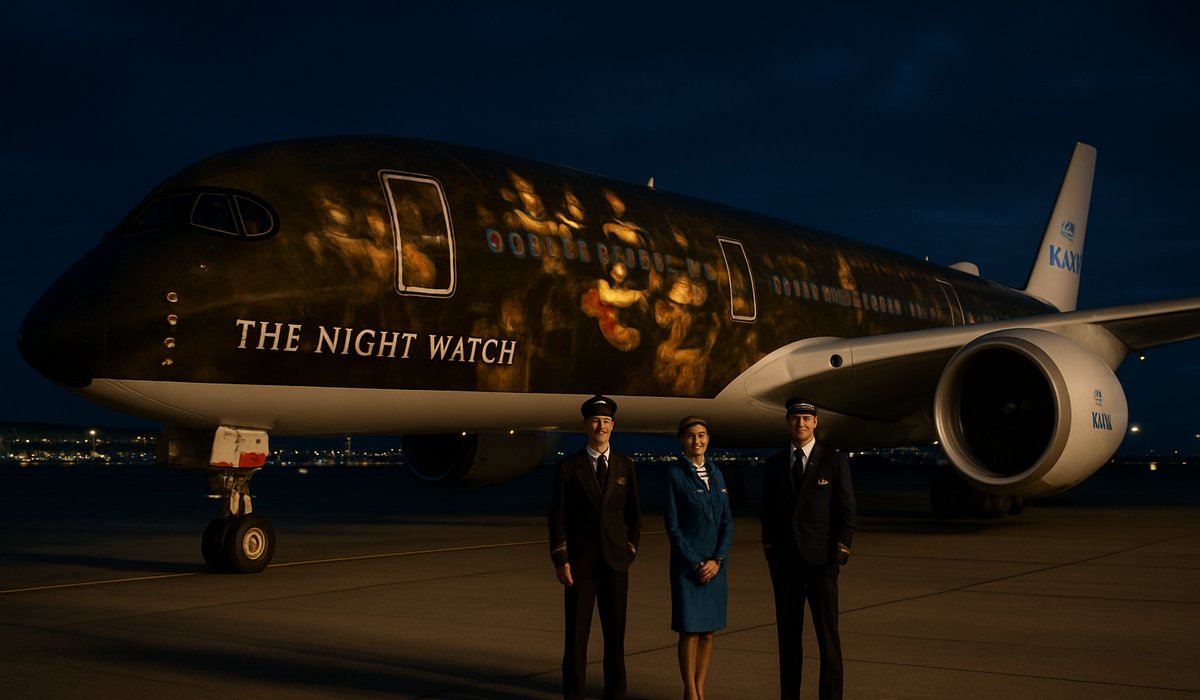
Image generated by AI
KLM Takes Flight Into the Future: Dutch Carrier's First Airbus A350-900 "The Night Watch" Poised to Transform Long-Haul Operations
Iconic aircraft inspired by Rembrandt masterpiece signals major fleet modernization as European carriers invest heavily in next-generation aircraft
Historic Milestone in KLM's Fleet Renewal Strategy
Royal Dutch Airlines (KLM) has reached a pivotal moment in its operational evolution with the official unveiling of its inaugural Airbus A350-900 wide-body jet, a development that underscores the carrier's commitment to modernizing its long-haul network infrastructure. The aircraft, christened "The Night Watch"—a homage to Rembrandt van Rijn's iconic 17th-century masterwork—represents a substantial technological leap for the Amsterdam-based carrier as it phases out aging aircraft in favor of fuel-efficient, next-generation platforms.
The A350-900 is currently undergoing final assembly and certification procedures at Airbus's headquarters in Toulouse, France, having already been decorated in full KLM livery. According to official statements from KLM's communications division, the airline anticipates formal delivery by the end of August 2026, with scheduled passenger operations commencing the following month in September 2026.
Strategic Significance for European Aviation
This acquisition marks a watershed moment not only for KLM but for European aviation more broadly. The A350-900 represents one of the most advanced commercial aircraft currently in service, featuring cutting-edge aerodynamics, composite wing structures, and advanced propulsion systems designed to reduce fuel consumption and operational costs—critical advantages amid volatile jet fuel prices that have persistently squeezed airline margins over recent years.
The naming convention reflects KLM's broader strategy of embedding Dutch cultural identity into its modernization narrative, positioning the carrier's fleet renewal as both a technological advancement and a celebration of heritage.
Industry Context: Fleet Modernization Under Pressure
KLM's investment in the A350-900 aligns with industry-wide pressure on legacy European carriers to reduce carbon emissions and operational expenses. Rising aviation fuel costs, combined with evolving international emissions regulations, have incentivized airlines to retire older, less efficient models in favor of contemporary aircraft that deliver superior fuel economy and reduced per-seat operating costs.
The A350-900's entry into KLM's fleet will provide the carrier with enhanced long-haul range, improved passenger comfort amenities, and a competitive advantage on routes where fuel efficiency directly impacts profitability and pricing competitiveness.
What Comes Next
With deliveries expected to accelerate through 2026 and beyond, KLM's modernization program signals confidence in aviation's post-pandemic recovery trajectory and suggests renewed competitive investment among major European carriers vying for dominance on transatlantic and intercontinental routes.
Frequently Asked Questions
When will KLM's first A350-900 enter commercial service? KLM expects to receive the aircraft by August 2026, with commercial operations beginning in September 2026 on designated long-haul routes.
Why did KLM name the aircraft "The Night Watch"? The name references Rembrandt van Rijn's celebrated 1642 painting, reflecting KLM's strategy of incorporating Dutch cultural heritage into its fleet modernization initiative.
How does the A350-900 improve airline operations? The aircraft features advanced aerodynamics, composite structures, and efficient engines that reduce jet fuel consumption per passenger, lower operating costs, and minimize environmental emissions compared to legacy wide-body aircraft.
What does this mean for KLM's competitive position? The A350-900 enhances KLM's ability to operate profitable long-haul services while offering improved passenger comfort and reducing per-seat airline fees and baggage charge pressures that competitors may impose.
How does fleet modernization affect ticket pricing? While modern aircraft reduce operational costs, airlines typically reinvest fuel savings into service improvements rather than immediate price reductions, though increased efficiency supports competitive pricing strategies on contested routes.
Related Travel Guides
-
Delays Ripple Across US Routes Serving Florida Hubs During Spring Peak
-
Germany Cuts Air Traffic Tax to Support Aviation Sector Through May 2026
External Resources
Disclaimer
This article is for informational and educational purposes only. It does not constitute legal, financial, or professional advice. While we strive to provide accurate and up-to-date information, travel policies, regulations, and conditions change rapidly. Always verify information with official sources before making travel decisions. Nomad Lawyer makes no representations about the accuracy, reliability, completeness, or suitability of the information provided. Readers should consult qualified professionals for advice specific to their circumstances. The views expressed in this article are those of the author and do not necessarily reflect the views of Nomad Lawyer.
Preeti Gunjan
Contributor & Community Manager
A passionate traveller and community builder. Preeti helps grow the Nomad Lawyer community, fostering engagement and bringing the reader experience to life.
Learn more about our team →