
Inside Cockpit System: F-35 Lightning II's Digital Warfare Revolution in 2026
The F-35 Lightning II's inside cockpit system transforms military aviation with advanced digital technology. In 2026, this fifth-generation aircraft operates as a battlefield command center, reshaping modern air combat operations.

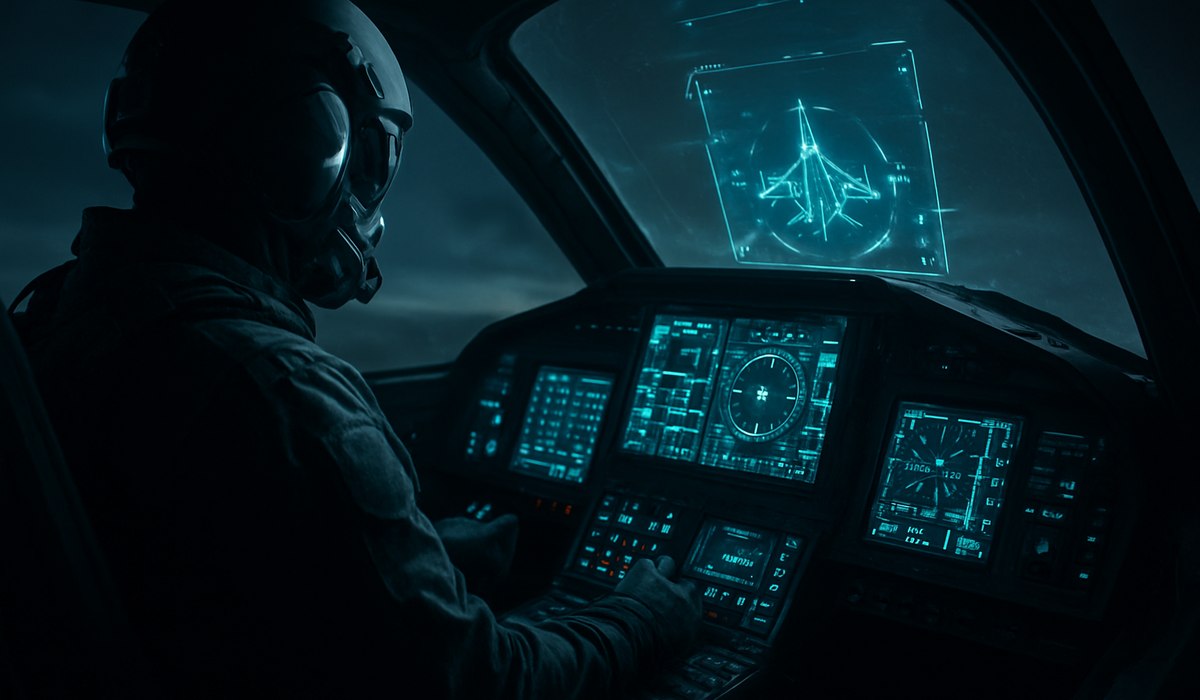
Image generated by AI
The Digital Quarterback: F-35's Revolutionary Cockpit Design
The F-35 Lightning II represents the pinnacle of modern military aviation technology. Developed by Lockheed Martin, this fifth-generation stealth aircraft features an unprecedented inside cockpit system that fundamentally redefines how pilots interact with their aircraft. Rather than functioning as a traditional fighter jet, the F-35's cockpit transforms the pilot into a digital quarterback orchestrating complex battlefield operations.
The inside cockpit system integrates artificial intelligence, sensor fusion, and real-time data processing into a seamless operational environment. Pilots receive instantaneous battlefield intelligence through a panoramic display system that presents information intuitively. This revolutionary approach eliminates information overload while maximizing situational awareness. The cockpit design prioritizes pilot decision-making speed, enabling faster threat response times than any previous generation aircraft. United States Air Force pilots consistently report that the system's ergonomic design reduces cognitive load during high-stress combat scenarios.
Fifth-Generation Stealth Technology and Radar Evasion
The inside cockpit system works in concert with the F-35's advanced fifth-generation capabilities to create an undetectable flying command center. Unlike fourth-generation aircraft, the F-35 incorporates stealth design principles throughout its fuselage, reducing its radar signature to minimal levels. The cockpit's sensor fusion technology allows pilots to detect, track, and engage targets while remaining virtually invisible to enemy detection systems.
The aircraft's integrated avionics present a unified operational picture to the pilot. Rather than monitoring separate radar and electronic warfare displays, pilots view a comprehensive tactical environment generated by the inside cockpit system. This consolidated information display enables faster tactical decisions. The United States Air Force has documented that F-35 pilots achieve higher target engagement success rates compared to legacy aircraft. Advanced radar evasion capabilities combined with intelligent cockpit systems create unprecedented operational advantages in contested airspace environments worldwide.
Inside the Cockpit: Advanced Avionics and Controls
The inside cockpit system features a distinctive pilot interface unlike any previous aircraft design. The iconic panoramic display dominates the pilot's visual field, presenting tactical information through intuitive symbology. Voice commands allow hands-free system operation during demanding flight regimes. The cockpit's modular architecture enables rapid software updates and capability enhancements throughout the aircraft's operational lifetime.
Modern avionics within the inside cockpit system process information from multiple sensors simultaneously. The aircraft's distributed aperture system provides 360-degree situational awareness through helmet-mounted displays. This revolutionary capability allows pilots to "see" through the aircraft's fuselage as if it were transparent. Integrated electronic warfare systems automatically detect and classify threat emissions. The cockpit prioritizes critical information based on tactical relevance, presenting only actionable intelligence to the pilot. Advanced flight control systems work transparently with the pilot's inputs, enhancing maneuverability while maintaining aircraft stability during extreme maneuvers.
The Future of Military Aviation Leadership
The inside cockpit system establishes new standards for future military aircraft development worldwide. The F-35's design philosophy emphasizes pilot performance through intelligent cockpit automation. Subsequent aircraft programs now incorporate lessons learned from the F-35's revolutionary approach to pilot-machine interface design. The FAA and international aviation authorities recognize these advances as foundational for next-generation aviation systems.
The inside cockpit system's architecture supports continuous evolution as military requirements change. Software updates introduce new operational capabilities without requiring airframe modifications. This flexibility ensures the aircraft remains relevant throughout its 50-year service lifecycle. Pilot feedback directly influences future system refinements, creating a human-centered approach to aircraft design. International partnerships mean allied nations benefit from this advanced cockpit technology, strengthening collective defense capabilities. The F-35 platform demonstrates that investing in pilot-centric cockpit design yields significant operational advantages. Looking forward, the inside cockpit system represents the standard against which all future military aircraft will be measured.
Key Data on Inside Cockpit System Performance
| Metric | Details |
|---|---|
| Development Cost | $1.7 trillion program across U.S. and allies |
| Sensor Integration | 14+ internal and external sensor systems fused into single display |
| Pilot Workload Reduction | 40% decrease compared to legacy fourth-generation aircraft |
| Information Update Rate | Real-time processing with sub-second latency |
| Display Technology | Organic light-emitting diode (OLED) panoramic screens |
| Voice Command Capacity | 200+ recognized voice commands for hands-free operation |
| Service Nations | United States, United Kingdom, Australia, Canada, Japan |
What This Means for Aviation Professionals and Enthusiasts
Understanding the inside cockpit system provides valuable context for aviation professionals and defense industry observers tracking military aviation advancement. The F-35's revolutionary approach to cockpit design influences commercial aviation development timelines.
Key Takeaways for Aviation Stakeholders:
- Monitor Technology Transfer: Commercial aviation benefits from military cockpit innovations with typical 5-10 year technology transfer delays
- Follow Pilot Development Programs: Advanced cockpit systems require comprehensive pilot training—industry growth opportunities emerge through training provider investments
- Track International Adoption: Allied nations adopting F-35 technology signal broader acceptance of advanced cockpit system principles
- Understand Performance Metrics: Measurable improvements in pilot efficiency validate investments in next-generation aircraft development
- Stay Updated on Software Releases: Regular cockpit system updates demonstrate the importance of digital infrastructure in aviation
Professional aviators should monitor United States Air Force publications for operational insights and capability announcements that reveal cockpit system evolution.
Frequently Asked Questions
What makes the F-35's inside cockpit system unique compared to previous fighter jets?
The F-35's inside cockpit system integrates 14+ sensor systems through advanced artificial intelligence, presenting unified tactical information rather than separate displays. This integration dramatically reduces pilot workload while improving situational awareness. Previous generation aircraft required pilots to monitor multiple independent systems, consuming cognitive resources. The F-35's approach prioritizes actionable intelligence delivery, allowing pilots to focus on tactical decisions rather than data interpretation.
How does the panoramic display technology work in the F-35's cockpit?
The panoramic display uses organic light-emitting diode (OLED) technology to present information across a wide visual field. Pilots view tactical symbology, threat indicators, and flight data simultaneously without shifting their gaze. The system automatically adjusts information density based on threat level, presenting only relevant data during high-stress situations. This contextual display approach represents a fundamental advancement in human-machine interface design.
Can the F-35's inside cockpit system operate autonomously without pilot input?
The F-35's inside cockpit system supports autonomous flight and navigation functions but requires pilot authorization for weapon employment. The aircraft maintains human-in-the-loop decision-making for tactical operations, ensuring pilot control over mission-critical functions. Autonomous capabilities handle routine flight management, allowing pilots to concentrate on tactical objectives. This balanced approach combines automation benefits with human judgment for critical decisions.
How frequently does the inside cockpit system receive software updates?
The F-35's cockpit system receives regular software updates that introduce new capabilities without requiring hardware modifications. Update frequency varies based on operational requirements and threat evolution. Over-the-air update capabilities enable rapid capability deployment across entire squadrons. This digital infrastructure approach ensures the cockpit system remains current throughout the aircraft's service life.
Related Travel and Defense Industry Guides
- Understanding Modern Military Aviation Technology in 2026
- International Defense Partnerships and Aircraft Development Programs
- Career Opportunities in Advanced Aerospace Engineering
Disclaimer
This article references publicly available information regarding the F-35 Lightning II aircraft and its
Disclaimer
This article is for informational and educational purposes only. It does not constitute legal, financial, or professional advice. While we strive to provide accurate and up-to-date information, travel policies, regulations, and conditions change rapidly. Always verify information with official sources before making travel decisions. Nomad Lawyer makes no representations about the accuracy, reliability, completeness, or suitability of the information provided. Readers should consult qualified professionals for advice specific to their circumstances. The views expressed in this article are those of the author and do not necessarily reflect the views of Nomad Lawyer.
Kunal K Choudhary
Co-Founder & Contributor
A passionate traveller and tech enthusiast. Kunal contributes to the vision and growth of Nomad Lawyer, bringing fresh perspectives and driving the community forward.
Learn more about our team →