
The Inn at Little Washington Becomes One of Four US Hotels to Hit Top 2026 Food Made Good Rating
The Inn at Little Washington has secured a rare three-star sustainability rating under the 2026 Food Made Good Standard, signaling a shift in how luxury hospitality integrates organic farming and community investment.

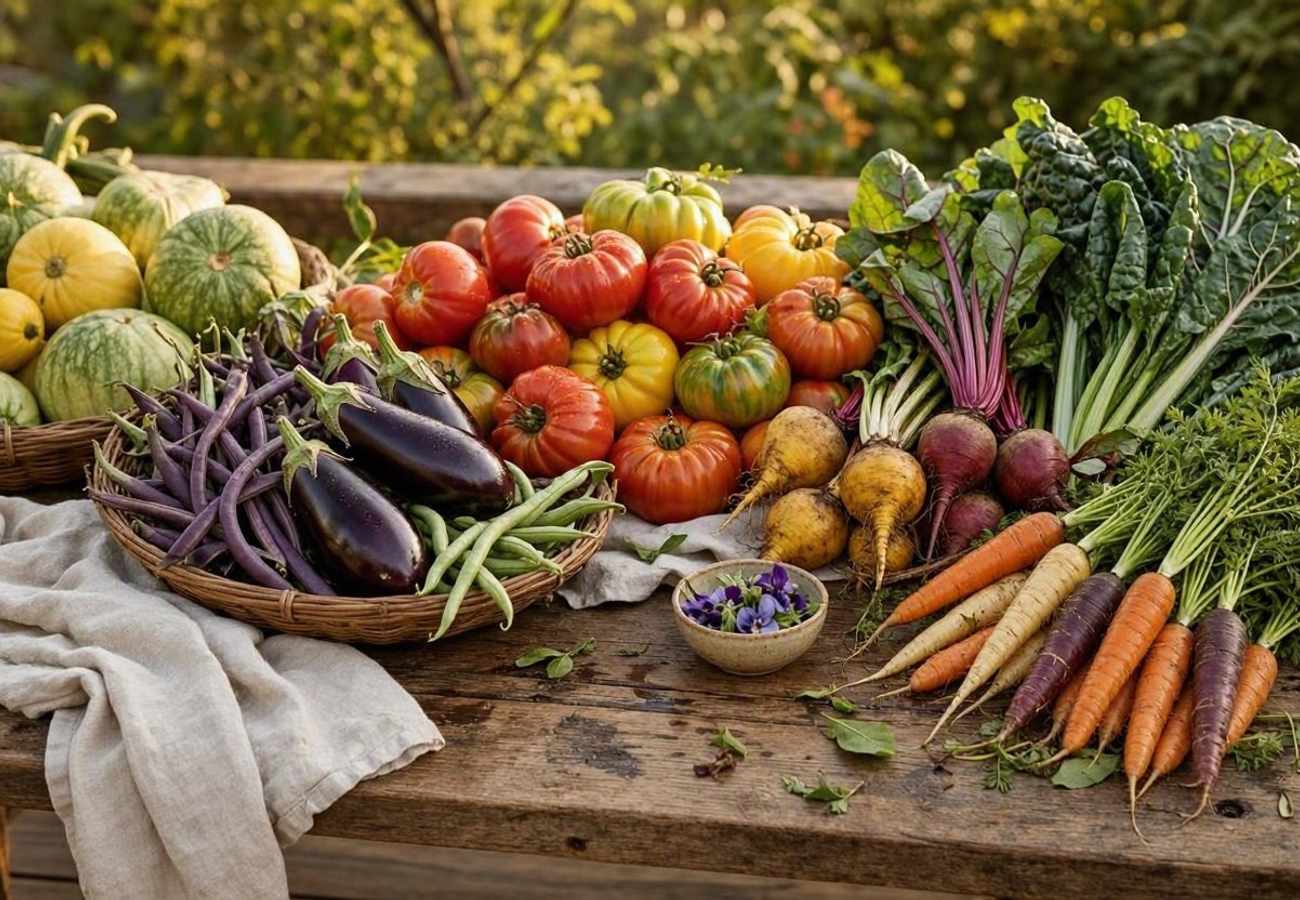
Image generated by AI
A perfect 100 per cent score in the Feed People Well category marks a historic milestone for The Inn at Little Washington, cementing its place as one of only four establishments in the United States to achieve the three-star designation under the Sustainable Restaurant Association 2026 Food Made Good Standard. This recognition transforms the Virginia-based luxury property from a mere culinary destination into a case study for the integration of high-end hospitality and aggressive environmental stewardship.
The Architecture of Sustainable Luxury
Located in the Blue Ridge Mountains, the 24-room inn has moved beyond the superficial "green-washing" common in the luxury sector. By embedding sustainability into the core business model, the property has aligned its Michelin-starred operations with measurable social and ecological benchmarks. The 2026 Food Made Good Standard does not reward single-issue initiatives; rather, it audits a holistic ecosystem encompassing food provenance, labor ethics, and carbon footprints.
For the high-net-worth traveler, this shift indicates that "luxury" is being redefined. The value proposition is no longer just about exclusivity or opulence, but about the transparency of the supply chain and the ethical footprint of the guest's stay.
Performance Metrics and Operational Data
The Inn's success is rooted in a data-driven approach to resource management and sourcing. The property leverages its own 24-acre organic-principled farm to shorten the distance between production and consumption, ensuring that a significant portion of its inventory is sourced within a 30-mile radius.
The following table breaks down the specific performance metrics achieved under the 2026 audit:
| Sustainability Metric | Score/Achievement | Impact on Guest Experience |
|---|---|---|
| Overall Rating | Three Stars | Highest possible global designation |
| Feed People Well | 100% | Guaranteed nutritional and ethical sourcing |
| Support the Community | 98% | High staff retention and local investment |
| Waste No Food | 90% | Reduced landfill impact via solar and water tech |
| Organic Sourcing | 25% to 50% | High volume of biodynamic fruits and grains |
| Estate Footprint | 24 Acres | Direct farm-to-table transparency |
| Sourcing Radius | < 30 Miles | Minimal transport emissions for local goods |
Expert Analysis: The Economic Shift in High-End Tourism
The Inn at Little Washington's achievement reveals a critical transition in the luxury market: the move toward "regenerative travel." For travelers booking this route, the direct consequence is a shift in the dining experience where plant-forward, vegetarian prix-fixe menus are presented as the pinnacle of gastronomic creativity rather than an alternative for dietary restrictions.
The pricing pressure this creates is subtle but real. By investing in a 24-acre farm and solar energy infrastructure, the Inn reduces its long-term reliance on volatile global supply chains. This vertical integration allows the property to maintain quality control and price stability that competitors relying on international imports cannot match.
Furthermore, the 98% score in community support highlights a strategic move to solve the hospitality industry's chronic labor shortage. By linking food-waste reduction to staff development—where junior chefs use surplus ingredients to hone their skills—the Inn creates a professional incentive structure that increases employee loyalty. This ensures a level of service consistency that is often missing in luxury properties struggling with high turnover. For the guest, this translates to a more intuitive and polished service experience delivered by a stable, well-trained team.
Key Takeaways
- Rare Distinction: Only four US restaurants have reached the three-star 2026 Food Made Good Standard.
- Hyper-Local Sourcing: The property prioritizes a 30-mile sourcing radius, utilizing a 24-acre on-site organic farm.
- Operational Efficiency: A 90% score in waste management is supported by investments in solar power and water conservation.
- Labor Integration: Sustainability is used as a tool for staff training, converting potential food waste into educational opportunities for culinary students.
- Biodynamic Focus: Between 25% and 50% of all grains, pulses, fruits, and vegetables are sourced from biodynamic or organic origins.
FAQ: Sustainable Luxury Tourism 2026
What is the Food Made Good Standard? It is a comprehensive sustainability certification managed by the Sustainable Restaurant Association that evaluates businesses on food sourcing, community support, and environmental waste management.
Does sustainable dining mean fewer options for luxury guests? No. The Inn at Little Washington demonstrates that "plant-forward" menus and organic sourcing can enhance culinary creativity and quality without sacrificing the luxury experience.
How does the 30-mile sourcing rule benefit the traveler? It ensures maximum ingredient freshness and provides a "sense of place," allowing guests to experience the specific agricultural terroir of Virginia's Blue Ridge Mountains.
Why does staff training affect the guest experience? Higher scores in community and staff support usually correlate with lower employee turnover, resulting in more experienced staff and a higher standard of personalized service.
The intersection of Michelin-level dining and rigorous ecological auditing is no longer an experiment—it is the new gold standard for global hospitality.
Related Travel Guides
Disclaimer
This article is for informational and educational purposes only. It does not constitute legal, financial, or professional advice. While we strive to provide accurate and up-to-date information, travel policies, regulations, and conditions change rapidly. Always verify information with official sources before making travel decisions. Nomad Lawyer makes no representations about the accuracy, reliability, completeness, or suitability of the information provided. Readers should consult qualified professionals for advice specific to their circumstances. The views expressed in this article are those of the author and do not necessarily reflect the views of Nomad Lawyer.
Preeti Gunjan
Contributor & Community Manager
A passionate traveller and community builder. Preeti helps grow the Nomad Lawyer community, fostering engagement and bringing the reader experience to life.
Learn more about our team →