
Infrastructure Syria Fleet: World Bank Awards $200M Railway Recovery Grant
Syria secures $200 million World Bank grant in 2026 to rebuild war-damaged railway infrastructure and reconnect regional freight routes. Investment targets locomotive modernization and cross-border connectivity with Turkey and Iraq.

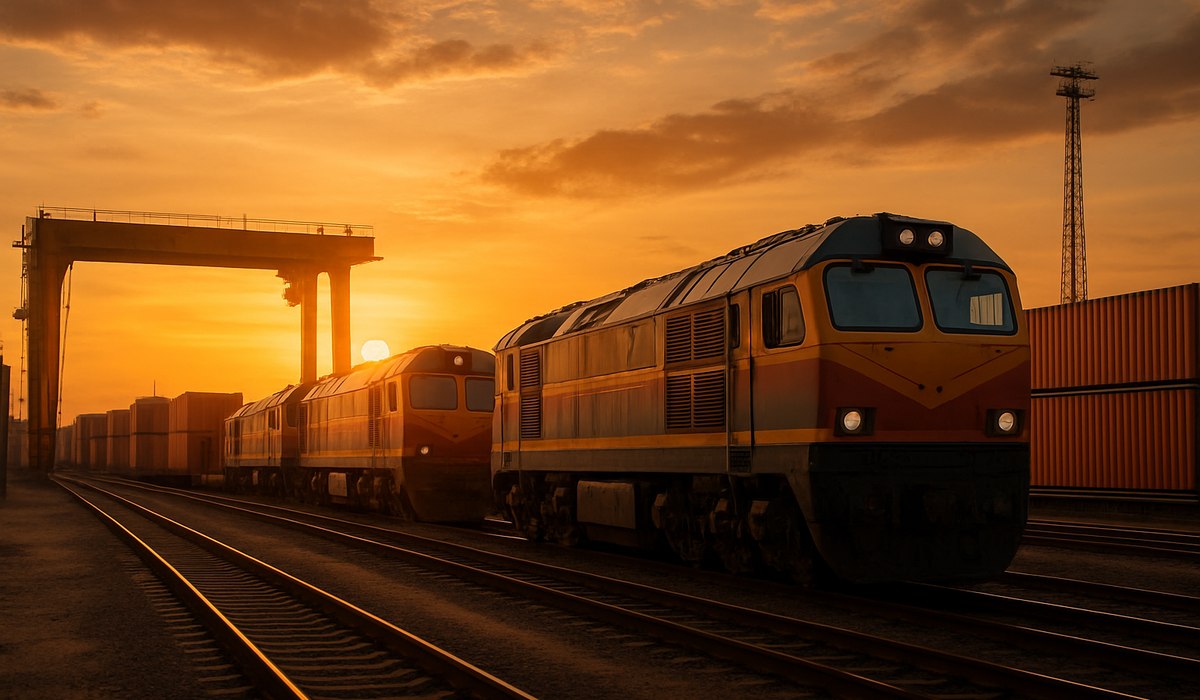
Image generated by AI
Syria's Railway Renaissance: $200M World Bank Investment Powers Infrastructure Modernization
Syria's Ministry of Transport has announced a transformative $200 million World Bank grant dedicated to rebuilding its railway network, devastated during the nation's 14-year civil conflict that concluded in December 2024. The landmark infrastructure funding agreement, finalized following diplomatic discussions between Syria's Transport Minister Yarub Badr and World Bank Middle East Regional Director Jean-Christophe Carret in February, marks a critical turning point for regional freight connectivity and economic recovery. This substantial investment addresses infrastructure syria fleet modernization across the entire 1435mm-gauge network, targeting locomotive procurement, equipment repairs, and workforce development initiatives.
World Bank Funding Revitalizes Syrian Railways
The World Bank's $200 million commitment represents the largest infrastructure investment in Syria's transportation sector since the civil war's conclusion. Ali Asbar, Director of Land Transport Affairs at Syria's Ministry of Transport, outlined the allocation strategy: upgrading critical railway infrastructure, acquiring modern locomotives, rehabilitating existing rolling stock, and implementing comprehensive staff training programs.
This financial injection arrives at a pivotal moment for Syria's economic reconstruction. The nation's war-damaged railway system had become increasingly disconnected from regional trade networks, limiting cross-border freight movement and isolating Syrian ports from inland markets. World Bank support reflects international confidence in Syria's post-conflict recovery trajectory and commitment to regional integration within the Middle East's transport corridor.
The funding also supports feasibility studies for reactivating dormant railway lines, particularly corridors connecting Syria northward to Turkey and eastward to Iraq. These strategic routes are essential for restoring Syria's position as a transit hub between the Mediterranean and deeper Middle Eastern markets.
Infrastructure Upgrades and Fleet Modernization Plans
The $200 million allocation prioritizes two complementary objectives: physical infrastructure restoration and rolling stock modernization. Railway officials emphasize that the infrastructure syria fleet upgrade encompasses comprehensive track rehabilitation, signaling system modernization, and bridge reconstruction across networks damaged during conflict.
Locomotive procurement represents a major component of the investment strategy. Syrian Railways (CFS) plans to introduce modern diesel and electric locomotives capable of handling increased freight volumes across the 1435mm-gauge network. Equipment repairs focus on bringing existing locomotives back to operational standards, extending service life while new units arrive.
Staff training initiatives address the human capital dimension of railway recovery. Technical personnel require retraining on modern locomotive operation, maintenance protocols, and safety procedures. Supervisory and administrative staff need development in contemporary railway management practices and regional logistics coordination.
Priority infrastructure projects include Mediterranean port connections to inland freight terminals, ensuring containerized cargo movement from Syria's maritime gateways to landlocked markets. These routes directly support economic recovery by facilitating international trade and employment generation across transportation sectors.
Regional Connectivity: Turkey and Iraq Links
Strategic railway links connecting Syria to neighboring nations represent the infrastructure upgrade program's cornerstone. Northern corridors extending into Turkey facilitate access to European markets and Istanbul's maritime trade hubs. Eastern routes through Iraq connect Syria to Persian Gulf ports and Central Asian markets beyond.
These cross-border connections enable Syria to function as a crucial transit corridor within the Middle East's transport network. Turkish and Iraqi railway authorities have expressed interest in coordinating infrastructure investments to ensure seamless freight movement across shared borders. Regional connectivity projects align with broader Middle East development initiatives focused on intra-regional trade expansion.
The timing of infrastructure upgrades supports broader geopolitical stabilization efforts. Reopening functional railway corridors to neighboring nations signals Syria's economic reintegration and commitment to regional cooperation. These investments strengthen transport links that benefited Middle Eastern commerce prior to the civil conflict.
Freight Traffic Recovery and Economic Impact
Evidence of railway sector recovery already demonstrates positive momentum. Syrian Railways reported an impressive 81% increase in freight traffic during the first quarter of 2026 compared with the identical 2025 period. Total freight volume reached 232,443 tonnes, indicating strong regional demand for Syrian transport capacity.
This freight recovery trajectory suggests that infrastructure investments will address genuine market demand rather than creating underutilized capacity. Growing freight volumes validate the World Bank's confidence in Syria's transportation sector recovery and regional trade reactivation.
The infrastructure syria fleet modernization program will enable railways to accommodate projected freight growth without capacity constraints. Improved locomotives, rehabilitated tracks, and enhanced signaling systems collectively support increased traffic volumes while maintaining safety standards and operational reliability.
Economic impacts extend beyond the railway sector itself. Improved freight connectivity reduces shipping costs for Syrian exporters, enhancing competitiveness in regional and international markets. Port facilities, agricultural operations, and manufacturing sectors benefit from more efficient logistics networks, accelerating broader economic recovery.
Key Data Table: Syria Railway Investment Overview
| Metric | Value | Impact |
|---|---|---|
| World Bank Grant Amount | $200 million USD | Largest post-war infrastructure investment |
| Network Gauge Standard | 1435mm | Matches international compatibility standards |
| Civil War Duration | 14 years (2011-2024) | Extensive infrastructure damage period |
| Q1 2026 Freight Growth | 81% year-over-year | Strong regional demand recovery |
| Q1 2026 Freight Volume | 232,443 tonnes | Baseline for future capacity planning |
| Primary Investment Focus | Infrastructure + Fleet | Dual modernization strategy |
What This Means for Travelers
The World Bank's infrastructure investment creates several meaningful implications for business travelers, regional freight shippers, and cross-border passengers:
-
Improved Regional Connectivity: Turkey-Syria-Iraq railway corridors will eventually support passenger service resumption, offering overland travel alternatives to air routes and reducing regional travel costs for frequent business travelers.
-
Enhanced Freight Efficiency: Modernized locomotives and rehabilitated infrastructure will accelerate cargo movement timelines, benefiting supply chains for companies operating across the Middle East and reducing delivery uncertainties.
-
Economic Stimulus for Tourism: Railway infrastructure recovery supports broader Syrian economic stabilization, which indirectly strengthens hospitality, transportation, and tourism sectors as international visitor confidence gradually increases.
-
Cross-Border Accessibility: Functional railway links between Syria, Turkey, and Iraq will eventually enable convenient overland travel for regional visitors, reducing reliance on indirect flight connections through hub airports.
-
Portfolio Diversification: Investors tracking Middle East transportation infrastructure gains can monitor Syrian Railways' operational metrics and revenue growth as indicators of broader regional economic recovery trends.
Frequently Asked Questions
Q: When will modernized Syrian railway services begin operations? A: Infrastructure projects typically require 18-36 months from funding allocation to completion. Expect phased service resumption beginning late 2026 or early 2027, with full network modernization continuing through 2028-2029.
Q: Can international passengers currently use Syrian railways? A: Limited passenger service operates on select domestic routes. Cross-border international passenger service remains suspended pending infrastructure stabilization and security normalization. Regional trains to Turkey and Iraq are expected to resume gradually as projects advance.
Q: Which specific routes will receive priority funding? A: Mediterranean port connections to inland freight terminals receive immediate attention. Northern corridors to Turkey and eastern routes to Iraq follow as secondary priorities. These strategic corridors support regional trade integration and economic recovery.
Q: How does this investment affect ticket prices for travelers? A: Improved efficiency and increased capacity typically stabilize or reduce per-unit transportation costs over time. International passengers should anticipate moderate ticket price increases initially to fund operations, with long-term cost reductions as efficiency gains materialize.
Related Travel Guides
- China Travel Flights: 25+ Cancellations Across Major Airlines in March 2026
- Lufthansa strike leaves Nigerian travelers stranded at German hubs
- Albania Rise Southern Europe's Fastest-Growing Beach Destination in 2026
Disclaimer
Information in this
Disclaimer
This article is for informational and educational purposes only. It does not constitute legal, financial, or professional advice. While we strive to provide accurate and up-to-date information, travel policies, regulations, and conditions change rapidly. Always verify information with official sources before making travel decisions. Nomad Lawyer makes no representations about the accuracy, reliability, completeness, or suitability of the information provided. Readers should consult qualified professionals for advice specific to their circumstances. The views expressed in this article are those of the author and do not necessarily reflect the views of Nomad Lawyer.
Kunal K Choudhary
Co-Founder & Contributor
A passionate traveller and tech enthusiast. Kunal contributes to the vision and growth of Nomad Lawyer, bringing fresh perspectives and driving the community forward.
Learn more about our team →