
Mount Anak Krakatau Eruption Triggers Massive Flight Cancellations Across Southeast Asia
Volcanic ash from Mount Anak Krakatau forces Singapore Airlines and AirAsia to cancel multiple Jakarta flights. Discover the affected flight numbers and risks.

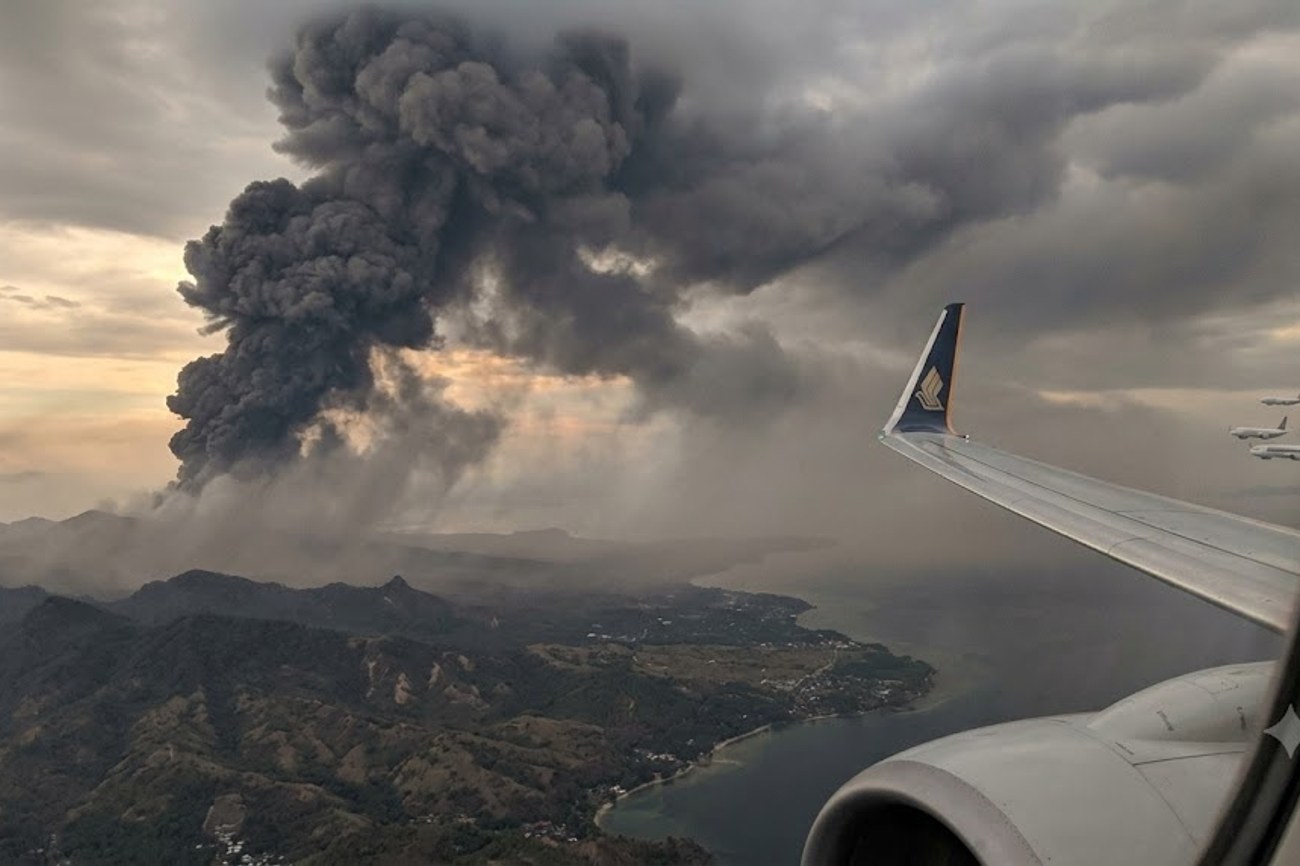
Image generated by AI
Jakarta Airspace Paralyzed by Volcanic Ash Cloud
[Jakarta, September 6, 2026] — Aviation operations across Southeast Asia are facing severe disruptions today as the eruption of Mount Anak Krakatau sends plumes of volcanic ash across critical flight corridors. The geological event has triggered immediate travel alerts from major carriers, including Singapore Airlines and AirAsia, leading to widespread cancellations and schedule modifications.
The eruption has specifically targeted the airspace surrounding Jakarta’s Soekarno-Hatta International Airport, creating a hazardous environment for jet engines and navigation systems. As the ash cloud shifts, airlines are prioritizing safety over schedules, leaving thousands of passengers stranded or rerouted.
Singapore Airlines Scraps Multiple Jakarta Services
Singapore Airlines was among the first global carriers to implement drastic measures to mitigate the risks posed by the volcanic activity. The airline issued a comprehensive advisory on 6 September 2026, confirming the cancellation of numerous flights connecting Singapore Changi Airport and Jakarta Soekarno-Hatta International Airport.
The cancellations spanned the entire operational day, affecting morning, afternoon, and evening rotations. The airline has warned that because volcanic activity remains volatile, additional flights between Singapore and Indonesia may be subject to last-minute changes.
The following specific Singapore Airlines services were cancelled:
| Flight Number | Route | Departure Time |
|---|---|---|
| SQ950 | Singapore $\rightarrow$ Jakarta | 0620hrs |
| SQ952 | Singapore $\rightarrow$ Jakarta | 0740hrs |
| SQ956 | Singapore $\rightarrow$ Jakarta | 0905hrs |
| SQ953 | Jakarta $\rightarrow$ Singapore | 0805hrs |
| SQ955 | Jakarta $\rightarrow$ Singapore | 0925hrs |
| SQ957 | Jakarta $\rightarrow$ Singapore | 1100hrs |
| SQ958 | Singapore $\rightarrow$ Jakarta | 1235hrs |
| SQ960 | Singapore $\rightarrow$ Jakarta | 1510hrs |
| SQ962 | Singapore $\rightarrow$ Jakarta | 1615hrs |
| SQ964 | Singapore $\rightarrow$ Jakarta | 1720hrs |
| SQ966 | Singapore $\rightarrow$ Jakarta | 1830hrs |
| SQ965 | Jakarta $\rightarrow$ Singapore | 1920hrs |
| SQ967 | Jakarta $\rightarrow$ Singapore | 2015hrs |
Passengers are being urged to verify their flight status through official digital channels and ensure their contact information is current to receive real-time rebooking and refund options.
AirAsia Implements Emergency Schedule Adjustments
Simultaneously, AirAsia has issued its own travel advisory, citing the extensive ash clouds generated by Mount Anak Krakatau. As a low-cost carrier with a dense regional network, AirAsia has been forced to cancel or reschedule a significant volume of flights to and from the Indonesian capital.
The airline emphasized that volcanic ash represents a non-negotiable safety risk to aircraft operations. Passengers traveling to or from Jakarta have been advised to check their flight status before departing for the airport to avoid unnecessary congestion at terminals. This disruption highlights the vulnerability of regional low-cost networks to sudden environmental shocks.
Soekarno-Hatta International Airport Faces Operational Shutdown
The epicenter of the travel chaos is Soekarno-Hatta International Airport, Indonesia's primary aviation hub. Airport authorities were forced to temporarily suspend all flight operations after ash particles were detected within the immediate airspace.
According to reports from airport operator Angkasa Pura, the suspension impacted hundreds of flight movements. While domestic travel was heavily hit, the disruption extended to major international gateways. Key routes affected by the closure include connections to:
- Singapore
- Kuala Lumpur
- Hong Kong
- Sydney
- Seoul
- Doha
- Amsterdam
Due to the high frequency of "shuttle" flights between Jakarta and Singapore, the Singapore-Indonesia corridor has experienced the most acute impact.
Technical Risks of Volcanic Ash in Aviation
The rapid response from airlines is driven by the specific physical properties of volcanic ash, which differ significantly from standard weather hazards like rain or snow. Volcanic ash consists of tiny fragments of jagged glass and rock.
When these particles enter a jet engine, they can melt due to the extreme heat of the combustion chamber, subsequently coating the internal components in a layer of glass. This can lead to total engine failure. Beyond the engines, volcanic ash creates several other critical risks:
- Sensor Failure: Ash can clog Pitot tubes, leading to inaccurate airspeed readings.
- Visibility Loss: Dense ash clouds can reduce visibility to near zero during takeoff and landing.
- Surface Abrasion: The abrasive nature of the ash can scratch cockpit windshields and damage aircraft paint.
Flight tracking data indicates that ash clouds have reached altitudes of 20,000 feet over Java and as high as 50,000 feet over portions of Sumatra, effectively blocking multiple flight levels.
Regional Airline Network Under Pressure
The ripple effect of the eruption is being felt across the entire Asian aviation sector. Beyond Singapore Airlines and AirAsia, other carriers including Garuda Indonesia, Citilink, and Batik Air have been forced to adjust their operations.
The crisis has created a "chain effect" regarding aircraft rotations. Because a plane scheduled to depart Jakarta for another city cannot land there, subsequent flights in that aircraft's daily rotation are also delayed or cancelled, even if those destinations are far from the volcanic zone.
Monitoring Mount Anak Krakatau
Mount Anak Krakatau, situated in the Sunda Strait between Sumatra and Java, is a highly active volcanic site. It is the geological successor to the original Krakatau, which produced one of the deadliest and most powerful eruptions in recorded history in 1883.
Indonesian authorities continue to monitor the volcano's activity closely, as ash movement continues to fluctuate across western Indonesia, keeping the region's aviation network in a state of high alert.
Why This Matters (Information Gain & Experience)
For the modern traveler, this event underscores a critical reality: Southeast Asian aviation is highly susceptible to geological instability. Unlike a storm, which can be flown around, a high-altitude ash cloud can shut down entire national airspaces.
From a logistical standpoint, this creates a "bottleneck effect." When Jakarta—the region's largest hub—closes, it doesn't just affect Indonesia; it disrupts the flow of passengers moving between Australia, Europe, and East Asia. Travelers should be aware that "rebooking" during a volcanic event is significantly harder than during a mechanical delay because there are often no alternative airports capable of handling diverted wide-body aircraft in the immediate vicinity.
For those currently traveling, the primary lesson is the importance of flexible ticketing and travel insurance that specifically covers "natural disasters." Relying on airline-provided accommodation during a mass-cancellation event often leads to severe delays in assistance due to the sheer volume of affected passengers.
Related Travel Guides
Disclaimer
This article is for informational and educational purposes only. It does not constitute legal, financial, or professional advice. While we strive to provide accurate and up-to-date information, travel policies, regulations, and conditions change rapidly. Always verify information with official sources before making travel decisions. Nomad Lawyer makes no representations about the accuracy, reliability, completeness, or suitability of the information provided. Readers should consult qualified professionals for advice specific to their circumstances. The views expressed in this article are those of the author and do not necessarily reflect the views of Nomad Lawyer.
Raushan Kumar
Founder & Lead Developer
Full-stack developer with 11+ years of experience and a passionate traveller. Raushan built Nomad Lawyer from the ground up with a vision to create the best travel and law experience on the web.
Learn more about our team →