
Indonesia Adapts Monaco Smart Marina Framework to Develop Sustainable Yachting Corridors Across Its 17,000-Island Archipelago

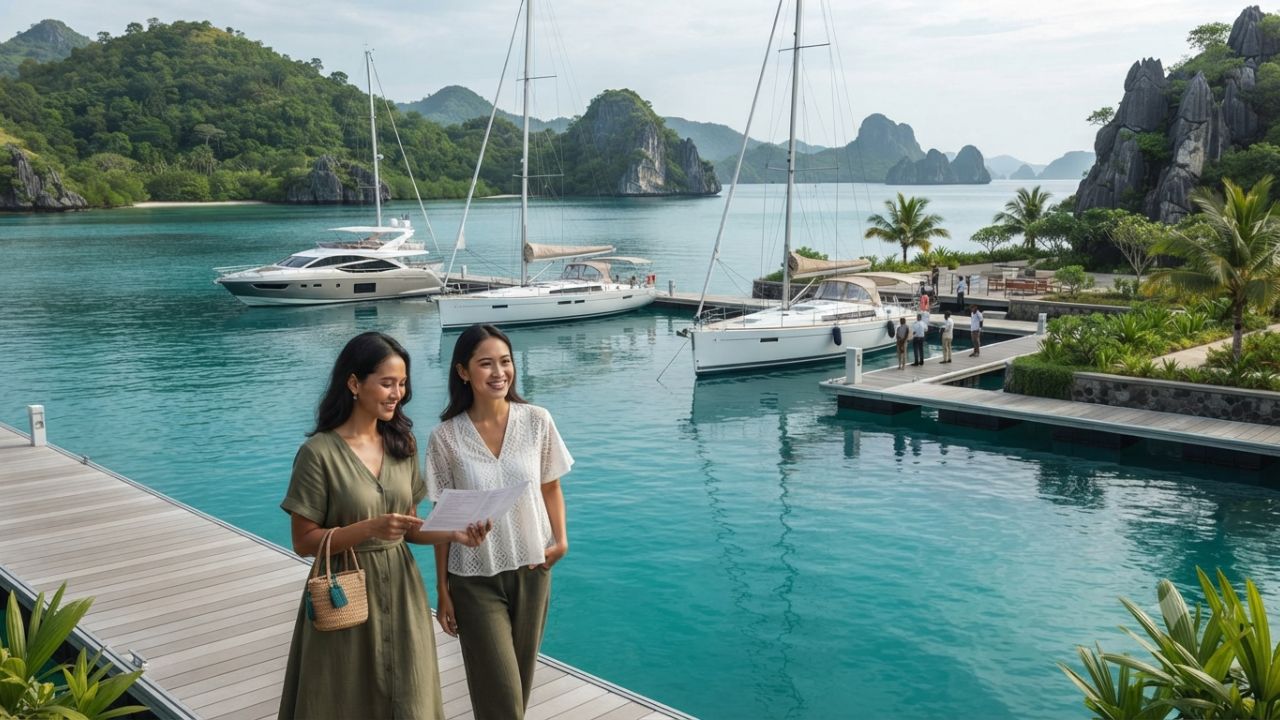
Indonesia has launched a national maritime development initiative modeled after Monaco's sustainable yachting framework, aiming to transform its 17,000-island archipelago into a global hub for smart marinas and eco-conscious ocean travel.
Announced on September 29, 2026, the strategy establishes a long-term master plan to upgrade port infrastructure, implement shore power systems, and deploy digital vessel management across key Indonesian island chains. By drawing on technical insights from the Monaco Smart & Sustainable Marina Rendezvous, Indonesian authorities seek to protect fragile marine biodiversity while catering to international luxury yacht operators and coastal adventurers.
INDONESIA ARCHIPELAGO SMART MARINA ARCHITECTURE 2026
| Column 1 |
|---|
| 1. SMART INFRASTRUCTURE & DIGITAL PORTS |
| - Shore power grid integration, AI vessel tracking, eco-bunkering |
| 2. MONACO TECHNICAL COLLABORATION |
| - Clean marina certification, marine biodiversity protection standards |
| 3. MARITIME WORKFORCE DEVELOPMENT |
| - Hospitality, superyacht crew training, marine safety certifications |
| 4. ECO-YACHTING TRANSIT CORRIDORS |
| - Benoa (Bali), Labuan Bajo (Flores), Sorong (Raja Ampat), Batam-Bintan |
National Master Plan Adapts Monaco Model for Archipelago Infrastructure
Indonesia’s vast marine geography presents unmatched opportunities for international sailing routes and luxury charters. However, managing maritime tourism across thousands of remote islands requires standardized infrastructure, strict environmental safeguards, and digital customs clearance protocols.
Under the direction of the Ministry of Tourism and Creative Economy of the Republic of Indonesia (Kemenparekraf) and state port operator Pelindo, the national master plan focuses on upgrading key coastal hubs. By participating in international exchanges organized by the Monaco Smart & Sustainable Marina Rendezvous, Indonesian planners are integrating artificial intelligence, shore-to-ship power grids, and cybersecurity solutions into new marina developments.
Beyond physical port construction, the national initiative prioritizes workforce development. Specialized training programs will upskill local crews, harbormasters, and hospitality staff in superyacht servicing, environmental conservation, and maritime safety standards.
Indonesian Smart Marina Specifications and Yachting Corridor Matrix
The table below outlines key operational parameters, infrastructure upgrades, and target cruising regions defined under the renewed maritime master plan.
| Maritime Hub | Regional Scope | Infrastructure & Technology Upgrades | Optimal Cruising Season |
|---|---|---|---|
| Benoa Marina (Bali) | Primary Gateway & Superyacht Hub | Deep-water berthing, shore power grid & vessel refueling | April – October (Dry Season) |
| Labuan Bajo (Flores) | Komodo National Park Corridor | Smart mooring buoys & eco-waste management stations | April – November |
| Sorong (Raja Ampat) | West Papua Marine Reserve Gateway | Solar-powered vessel servicing & bio-diversity monitoring | November – April |
| Batam & Bintan | Singapore Straits & ASEAN Transit | Automated digital customs clearance & high-speed ferry docks | Year-round |
| Belitung & Wakatobi | Emerging Eco-Sailing Reserves | Clean anchorage zones & local community maritime guides | May – September |
Passenger Logistics & Maritime Transit Guide for Yachting in Indonesia
Navigating Indonesia’s island chains by private vessel, chartered yacht, or commercial marine transfer requires proper entry planning, digital clearance, and seasonal weather management.
Entry Ports & Cruising Permit Logistics
Foreign-flagged yachts and maritime charters entering Indonesian territorial waters must follow streamlined digital entry protocols managed by the Directorate General of Sea Transportation:
- Vessel Information System (VISS) & e-Clarence: Skippers must register vessel details online via the official Indonesian yacht portal prior to departure, obtaining digital entry approvals (formerly CAIT) for authorized island routes.
- Designated Ports of Entry: Foreign vessels must clear customs, immigration, quarantine, and port authority (CIQP) controls at designated entry hubs, including Bali (Benoa), Batam, Bitung, or Ambon.
- Visa Processing: International crew and passengers require appropriate B211A maritime visitor visas or e-Visas, valid for 60 days with extension options up to 180 days.
[International Departure Hubs: Singapore / Australia]
                        |
                        v
     [CIQP Entry Ports: Batam / Benoa (Bali)]
                        |
                        v
      [Digital Vessel Clearance: VISS / e-Clarence]
       /                                      \
      v                                        v
[Komodo Corridor: Labuan Bajo]   [Raja Ampat Corridor: Sorong]
Flight Connections for Flying-Bridge Passengers
Travelers joining yacht charters or marine expeditions in remote archipelagos can utilize established domestic flight corridors:
- Bali Gateway (DPS to LBJ): Daily domestic flights connect Bali Ngurah Rai International Airport (DPS) to Komodo International Airport in Labuan Bajo (LBJ) in 60 minutes via Garuda Indonesia or Batik Air.
- Raja Ampat Gateway (CGK/DPS to SOQ): Passengers traveling to Raja Ampat fly from Jakarta (CGK) or Bali (DPS) to Dominique Eduard Osok Airport in Sorong (SOQ), followed by a 10-minute taxi to Sorong Harbor for tender transfers.
- Singapore-Bintan Ferries: High-speed passenger catamarans connect Singapore’s Tanah Merah Ferry Terminal directly to Bintan Resorts in 45 minutes, offering an accessible maritime gateway for short-stay charters.
Environmental Protocols & Seasonal Navigation Tips
- Protected Marine Anchorages: Dropping anchor on coral reefs is strictly prohibited in protected zones like Komodo and Raja Ampat. Vessels must utilize designated smart mooring buoys installed under the national conservation framework.
- Seasonal Weather Patterns: The southeast monsoon (April to October) brings dry weather ideal for cruising the Lesser Sunda Islands (Bali, Lombok, Komodo). The northwest monsoon (November to April) offers calmer seas in eastern regions like Raja Ampat and the Maluku Islands.
Long-Term Impact on Global Sustainable Yachting and Coastal Communities
Indonesia’s alignment with Monaco’s maritime model highlights a shift toward high-value, low-impact ocean tourism. By investing in smart port infrastructure, renewable energy integration, and maritime workforce training, the country protects its coastal ecosystems while unlocking economic opportunities for island communities.
As demand for sustainable luxury travel grows globally, Indonesia's network of smart marinas positions the nation as the central maritime bridge between the Indian Ocean and the Pacific.
Related Travel Guides
Fiji Expands Nadi and Wailoaloa Water Sports Infrastructure with Enhanced Safety Protocols
Anguilla Boosts Global Yachting Appeal at Monaco Yacht Show 2026
Indonesia Smart Marina Digital Customs and Yachting Permit Guide
Disclaimer
This article is for informational and educational purposes only. It does not constitute legal, financial, or professional advice. While we strive to provide accurate and up-to-date information, travel policies, regulations, and conditions change rapidly. Always verify information with official sources before making travel decisions. Nomad Lawyer makes no representations about the accuracy, reliability, completeness, or suitability of the information provided. Readers should consult qualified professionals for advice specific to their circumstances. The views expressed in this article are those of the author and do not necessarily reflect the views of Nomad Lawyer.
Kunal K Choudhary
Co-Founder & Contributor
A passionate traveller and tech enthusiast. Kunal contributes to the vision and growth of Nomad Lawyer, bringing fresh perspectives and driving the community forward.
Learn more about our team →