
Indonesia Fiscal Discipline Balances Surging Tourism as H1 Arrivals Rise 5.2% and Business Events Expand: Latest Update
Indonesia balances national budget discipline with surging tourism as foreign visits reach 8.98 million in early 2026 alongside Rp888B in events revenue.

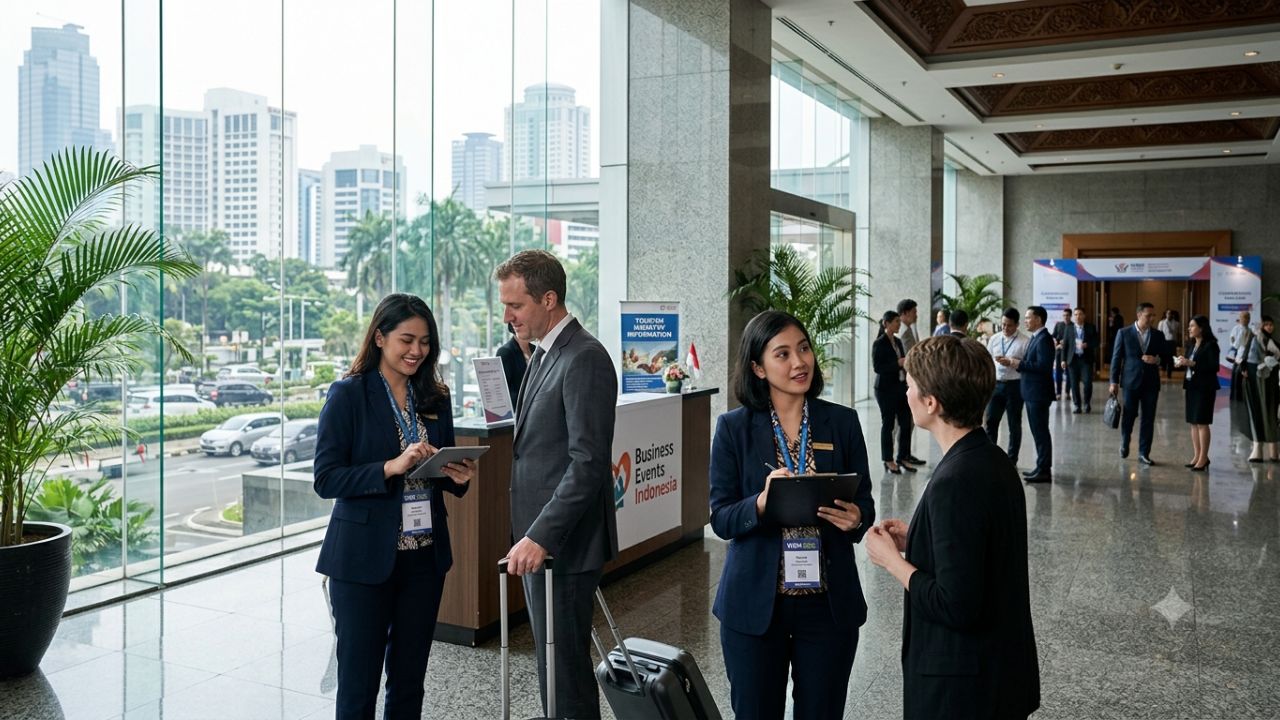
Indonesia pairs government spending discipline with expanding tourism and MICE business events in late 2026.
Indonesia is calibrating national fiscal discipline alongside a resilient tourism boom, as government data published in Jakarta confirms that international visits reached 8.98 million through July 2026—a 5.23% year-on-year increase—while public finances maintain a disciplined deficit of 1.24% of GDP. Formal announcements released on October 8 and 9, 2026, by the Ministry of Tourism and the Ministry of Finance reveal that expanding consumer travel, hotel occupancy, and commercial business events are sustaining economic momentum independent of state spending adjustments.
The dual announcements dispel speculative market concerns that public expenditure reforms would curb tourism or hospitality demand. According to the Ministry of Finance (Kemenkeu), state revenue reached Rp2,341.5 trillion against expenditures of Rp2,660.5 trillion through September 30, with fiscal guidelines (Letter S-89/MK.03/2026) aimed strictly at preventing rushed year-end ministerial disbursements. Simultaneously, the Ministry of Tourism (Kemenpar) reported sustained visitor growth and robust yields across the meetings, incentives, conventions, and exhibitions (MICE) sector.
Official Indicators: Macroeconomic Health vs. Tourism Performance
Official government data outlines the macro framework steering Southeast Asia's largest economy and its travel sector:
| Economic & Tourism Metric | Reported Value | Benchmark & Operational Context |
|---|---|---|
| State Budget Revenue (Jan–Sept 2026) | Rp2,341.5 Trillion | Year-to-date collections reflecting resilient domestic consumption |
| State Budget Expenditure (Jan–Sept 2026) | Rp2,660.5 Trillion | Directed toward priority social protection and strategic infrastructure |
| Fiscal Deficit Ratio | 1.24% of GDP | Controlled deficit well within statutory limits (cap at 3.0% of GDP) |
| International Inbound Visits (Jan–July 2026) | 8.98 Million visits | +5.23% YoY increase over the corresponding 2025 period |
| 2025 Full-Year Foreign Arrivals Baseline | 15.39 Million visits | Baseline established in Indonesia Tourism Outlook 2026/2027 |
| 2025 Domestic Tourist Journeys | 1.20 Billion trips | Strong internal travel cushion supporting regional lodging |
| 2025 Foreign Exchange Tourism Earnings | ~US$18.27 Billion | Major source of national foreign exchange reserves |
The timing of these updates highlights that inbound travel growth recorded through August operated autonomously from fourth-quarter administrative budget reviews, confirming healthy consumer and corporate demand across Bali, Jakarta, Yogyakarta, and Lombok.
The Role of Business Events and MICE in Driving High-Value Tourism
A cornerstone of Indonesia’s tourism roadmap heading toward 2027 is expanding the meetings, incentives, conferences, and exhibitions sector to generate higher per-capita visitor expenditure. Deputy Tourism Minister Ni Luh Puspa emphasized that business events represent a structural vehicle to elevate destination value beyond traditional beach holidays.
In an audit of 78 major national and international events conducted in early 2026, Kemenpar reported compelling economic dividends:
- 9.97 Million Total Attendees: Encompassing corporate delegates, trade participants, and cultural attendees across evaluated venues.
- Rp888.52 Billion in Direct Economic Transactions: Captured entirely through ticket sales, exhibition booth hires, and localized retail spending, excluding secondary economic multiplier effects.
- Hotel & Aviation Yields: Business events generated sustained midweek room nights for four- and five-star business hotels in Jakarta, Surabaya, and Nusa Dua (Bali), providing stable airline load factors for domestic flag carriers.
Crucially, ministry records show no cancellations of major conferences, trade exhibitions, or international aviation routes resulting from the Finance Ministry’s spending directives.
Clarifying Government Spending vs. Private Travel Reality
Travelers and corporate travel managers should distinguish state fiscal governance from private sector hospitality operations:
- No Reductions in Commercial Services: Treasury directives restricting wasteful administrative outlays govern internal civil service operational budgets; they do not dictate corporate conferences, foreign leisure travel, or private business bookings.
- Airline Timetables Unaffected: Flag carrier Garuda Indonesia and budget operators continue scheduled operations without route cancellations tied to fiscal policies.
- Visa and Entry Protocols Remain Stable: Visa-on-arrival (VoA), electronic visas (e-VoA), and ASEAN visa exemptions administered by immigration authorities continue without procedural changes.
- Hotel Pricing Governed by Market Demand: Room rates across Bali and urban hubs reflect seasonal leisure footfall and commercial occupancy rather than public budget revisions.
Key Passenger & Industry Highlights
- 8.98 Million International Visits: Inbound travel grew 5.23% in the first seven months of 2026, tracking ahead of 2025 milestones.
- Rp888.5 Billion Event Revenue: Audits of 78 evaluated national events confirmed direct transactions approaching Rp1 trillion across 9.97 million participants.
- Controlled 1.24% Deficit: Indonesia's national budget deficit remains modest, ensuring macroeconomic stability and currency predictability.
- US$18.27 Billion Baseline: Foreign tourism receipts in 2025 established a solid economic foundation for ongoing infrastructure development.
- MICE Priority Toward 2027: Business travel is designated as a key driver of non-seasonal tourism value under the Indonesia Tourism Outlook 2026/2027.
Practical Guidance for Holidaymakers and Business Travelers
- Book MICE Accommodation in Advance: When attending major congresses in Jakarta or Bali during the fourth-quarter event season, reserve hotel accommodations early to avoid peak delegate surcharges.
- Utilize Official Immigration Portals: Complete electronic visa applications exclusively via the official Indonesian Directorate General of Immigration portal to bypass third-party agency service fees.
- Explore Beyond Primary Gateways: Take advantage of expanded regional flights connecting Jakarta (CGK) and Denpasar (DPS) with secondary destinations such as Labuan Bajo (Komodo) and Lake Toba.
- Monitor Flight Timetables Directly: Track flight schedules directly through operating carriers rather than relying on generalized macroeconomic headlines.
The Long-Term Economic Outlook
By balancing fiscal discipline with proactive tourism promotion, Indonesia is building a resilient economic foundation. As the government controls public expenditure without curbing commercial growth, expanding air connectivity and high-yield MICE events will ensure that Southeast Asia's largest archipelago sustains its tourism momentum through 2027 and beyond.
FAQ: Indonesia Tourism Growth and Fiscal Spending 2026
Does Indonesia's government spending discipline mean flight or hotel cancellations?
No. The Finance Ministry's spending guidelines apply strictly to internal civil service budgeting and do not affect commercial flights, hotel bookings, or private tourism services.
How many international tourists visited Indonesia in 2026?
Indonesia recorded 8.98 million international visitor entries between January and July 2026, marking a 5.23% year-on-year growth compared to 2025.
What is the economic impact of business events (MICE) in Indonesia?
An official audit of 78 assessed national events revealed 9.97 million attendees and generated Rp888.52 billion in direct commercial transactions.
Are Indonesian visa regulations changing due to new budget policies?
No. Visa policies, including Visa on Arrival (VoA) and e-Visa rules, remain unchanged and operate under standard immigration guidelines.
Related Travel Guides
Disclaimer
This article is for informational and educational purposes only. It does not constitute legal, financial, or professional advice. While we strive to provide accurate and up-to-date information, travel policies, regulations, and conditions change rapidly. Always verify information with official sources before making travel decisions. Nomad Lawyer makes no representations about the accuracy, reliability, completeness, or suitability of the information provided. Readers should consult qualified professionals for advice specific to their circumstances. The views expressed in this article are those of the author and do not necessarily reflect the views of Nomad Lawyer.
Naina Thakur
Contributor & Travel Specialist
Travel enthusiast and legal writer covering visa regulations, responsible tourism, and cultural journeys across global destinations.
Learn more about our team →