
Indians Hantavirus Stricken: 149 Remain Adrift on Atlantic Cruise Ship
Two Indian crew members remain among 149 stranded aboard MV Hondius after a hantavirus outbreak claimed three lives in 2026. The luxury expedition cruise faces unprecedented maritime health crisis in the Atlantic.

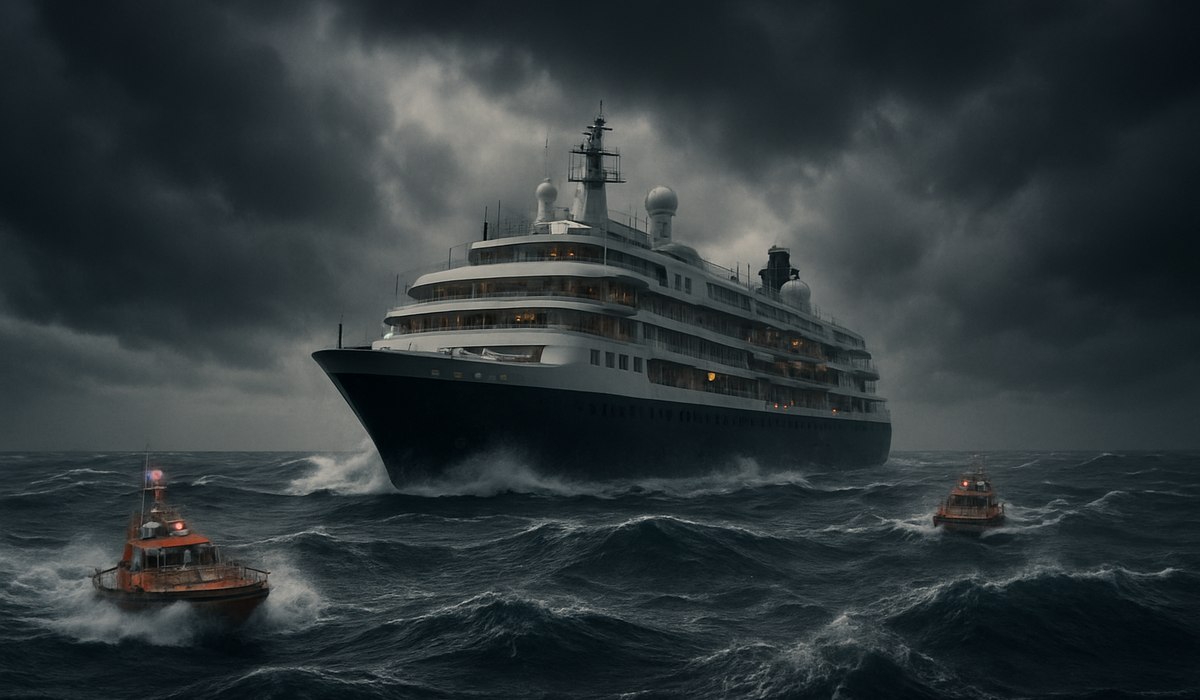
Image generated by AI
Luxury Expedition Transforms into Maritime Health Crisis
The MV Hondius, a Dutch-flagged expedition vessel operated by Lindblad Expeditions-National Geographic, has become the epicenter of a rare maritime health emergency. Two Indian crew members remain confined aboard the ship along with 147 other passengers and staff after three deaths linked to a hantavirus outbreak. The 149 people stranded on this luxury cruise represent more than 20 nationalities, all confined to the vessel as international health authorities coordinate response protocols across multiple jurisdictions.
The voyage originally departed from Ushuaia, Argentina, for an upscale expedition cruise through the remote southern Atlantic toward Cape Verde. What was marketed as a high-end adventure through pristine ocean landscapes has instead become a quarantine nightmare. The indians hantavirus stricken situation exemplifies how rapidly infectious disease can transform modern cruise operations, even aboard premium expedition vessels designed for small-group travel and enhanced health protocols.
Hantavirus Outbreak Transforms Luxury Voyage into Maritime Health Crisis
The epidemic timeline began in April 2026 when the first confirmed death occurred aboard the Hondius. An elderly Dutch passenger developed severe respiratory illness during the voyage, and subsequent testing identified hantavirus as the cause. His spouse, who had also fallen ill at sea, was transported to a South African hospital where she succumbed in late April. A third fatality—a German national—occurred in early May, prompting immediate intervention by international health agencies.
By May 8, 2026, health authorities had documented seven confirmed or suspected hantavirus cases linked to the vessel. The outbreak's severity triggered Cape Verde's decision to keep the ship offshore, permitting only emergency medical evacuations via small boats. Authorities declined full docking privileges, citing containment concerns. On May 6, three symptomatic individuals were evacuated to land-based medical facilities, including two crew members and one close contact. Following these evacuations, the ship received authorization to proceed toward Spain's Canary Islands while maintaining strict health monitoring protocols.
Two Indian Crew Members Among 149 Stranded Aboard MV Hondius
Among those remaining on the quarantined vessel are two Indian nationals, both crew members rather than paying passengers. Their specific roles and current health status remain undisclosed in public reports, though available information indicates they continue to be monitored as the situation unfolds. For India's maritime labor workforce—which supplies thousands of seafarers to global cruise and cargo operations annually—this incident underscores the particular vulnerability of crew members working extended contracts far from home.
The indians hantavirus stricken situation has attracted significant attention from Indian media outlets and maritime labor organizations. Unlike passengers who typically enjoy independent cabin amenities, crew members often face shared quarters and limited access to autonomous medical decision-making. Neither of the two Indian nationals appears to be among confirmed hantavirus cases based on current public information, but their confinement aboard the affected vessel subjects them to ongoing health surveillance and potential exposure risks.
Deaths and Evacuations: Timeline of the Atlantic Maritime Emergency
The crisis unfolded across several weeks during the voyage's southern Atlantic crossing. Initial symptoms emerged gradually, complicating early detection. By the time health authorities recognized the cluster pattern, three passengers had already died, and multiple others exhibited respiratory symptoms consistent with hantavirus infection.
Key timeline events:
- April 2026: First confirmed death (Dutch passenger); spouse hospitalized in South Africa
- Late April: Second confirmed death (Dutch passenger's spouse in Johannesburg hospital)
- Early May: Third confirmed death (German national); seven total confirmed/suspected cases identified
- May 6: Three individuals evacuated to Canary Islands medical facilities
- May 8: Ship authorized to proceed toward Spain under continued health protocols
The expedited evacuation pace reflected growing consensus that shore-based medical infrastructure offered superior care compared to onboard capabilities. Three medically fragile individuals were prioritized for removal, reducing total stranded population from 152 to 149 persons.
Cruise Itinerary at a Glance
| Itinerary Element | Details |
|---|---|
| Cruise Line | Lindblad Expeditions-National Geographic |
| Ship Name | MV Hondius (Dutch-flagged expedition vessel) |
| Departure Port | Ushuaia, Argentina |
| Intended Destination | Cape Verde Archipelago |
| Route | Southern Atlantic Ocean (remote, polar-adjacent waters) |
| Current Status (May 8, 2026) | Diverted toward Canary Islands, Spain |
| Passengers & Crew Aboard | 149 remaining (originally 152) |
| Nationalities Represented | 20+ countries |
| Voyage Type | High-end expedition cruise, small-group adventure |
Visit Lindblad Expeditions official website for booking information and current operational status. Check Cruise Critic for independent traveler reviews and real-time cruise news updates.
What Happens Next: Canary Islands Destination and Health Protocol
The MV Hondius is now authorized to sail toward the Canary Islands, where comprehensive health assessments will occur before passengers and crew are permitted to disembark. Spanish port authorities have established isolation protocols and medical evaluation stations. The remaining 149 stranded individuals will undergo testing and health screening before being cleared for shore departure.
For the two Indian crew members remaining aboard, the Canary Islands stop represents the first realistic opportunity for independent medical consultation outside company-managed healthcare. Indian embassy officials may coordinate with Spanish authorities to facilitate consular assistance if needed. Repatriation arrangements for Indian nationals will likely follow standard maritime labor protocols, involving Lindblad Expeditions coordination with Indian seafarer agencies.
The indians hantavirus stricken scenario has prompted cruise operators industry-wide to review rodent control procedures, ventilation systems, and outbreak detection protocols. Hantavirus transmission aboard ships occurs through contaminated rodent materials in enclosed spaces—a particular risk in expedition vessels operating from remote ports. Enhanced pest management and air filtration represent immediate operational responses.
What This Means for Travelers
Actionable travel safety measures:
-
Research ship specifications before booking: Verify expedition vessel size, passenger-to-crew ratios, and onboard medical facilities. Larger ships operate comprehensive medical centers; smaller expedition vessels may lack advanced diagnostics.
-
Review health screening protocols: Contact cruise operators directly to confirm pre-boarding health questionnaires, vaccination requirements, and disease surveillance procedures. Premium lines should provide documented health safety certifications.
-
Understand evacuation procedures: Request detailed information about emergency medical evacuation capabilities, including helicopter access, nearby hospital networks, and evacuation insurance coverage requirements.
-
Monitor regional disease advisories: Before departure, consult CDC, WHO, and destination-country health ministry websites for outbreak warnings specific to voyage regions. Hantavirus outbreaks are rare aboard ships but cluster in specific geographic areas.
-
Purchase comprehensive travel insurance: Ensure policies cover medical evacuation, hospitalization, and repatriation costs. Standard cruise insurance often excludes pandemic-related claims; verify specific coverage exclusions.
-
Maintain documentation: Keep vaccination records, recent health screening results, and emergency contact information readily accessible throughout your voyage.
FAQ
Q: What is hantavirus and how does it spread aboard cruise ships? Hantaviruses are rodent-borne viruses typically transmitted through contact with infected rodent urine, droppings, or saliva. Aboard ships, contaminated dust in ventilation systems or food storage areas poses transmission risk. Person-to-person transmission is extremely rare. Cruise vessels
Disclaimer
This article is for informational and educational purposes only. It does not constitute legal, financial, or professional advice. While we strive to provide accurate and up-to-date information, travel policies, regulations, and conditions change rapidly. Always verify information with official sources before making travel decisions. Nomad Lawyer makes no representations about the accuracy, reliability, completeness, or suitability of the information provided. Readers should consult qualified professionals for advice specific to their circumstances. The views expressed in this article are those of the author and do not necessarily reflect the views of Nomad Lawyer.
Raushan Kumar
Founder & Lead Developer
Full-stack developer with 11+ years of experience and a passionate traveller. Raushan built Nomad Lawyer from the ground up with a vision to create the best travel and law experience on the web.
Learn more about our team →