
Indiana Sandwiched Between Muncie and Fort Wayne: Gene Stratton-Porter's Historic Cabin
Discover Indiana's hidden cultural gem in 2026: Gene Stratton-Porter's historic cabin and adjoining wetlands preserve, perfectly positioned between Muncie and Fort Wayne for nomadic travelers seeking literary history and natural escapes.

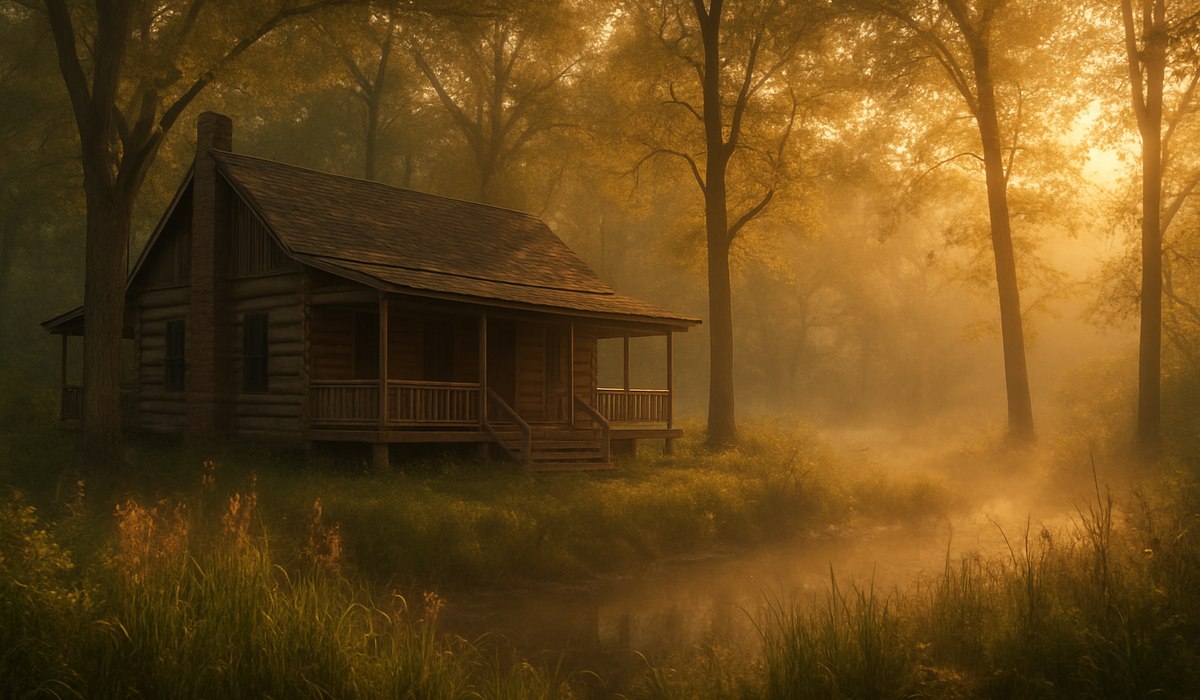
Image generated by AI
A Literary Haven Emerges Between Two Indiana Cities
Gene Stratton-Porter's historic cabin, nestled strategically between Muncie and Fort Wayne, stands as Indiana's most compelling cultural destination for 2026. This beautifully preserved homestead, paired with adjacent protected wetlands, offers digital nomads and location-independent professionals a rare combination of intellectual enrichment and ecological wonder. The site provides an ideal stopover for remote workers exploring the American Midwest, combining literary heritage with opportunities for nature immersion and sustainable tourism.
The cabin remains one of the region's most significant landmarks, drawing visitors seeking authentic connections to early 20th-century American literature and environmental conservation history.
Who Was Gene Stratton-Porter and Why Her Home Matters
Gene Stratton-Porter (1863–1924) revolutionized children's literature while simultaneously becoming a pioneering naturalist and photographer. Born in rural Indiana, she channeled her deep connection to wetland ecosystems into novels and essays that captivated millions of readers worldwide. Her most celebrated work, A Girl of the Limberlost, remains in print today and stands as a cornerstone of American environmental fiction.
Porter's legacy extends far beyond storytelling. She established herself as a serious field naturalist, documenting native bird species and wetland flora through groundbreaking nature photography. Her cabin, originally constructed in the early 1900s, served as both creative workspace and personal sanctuary where much of her prolific output emerged.
The location itself was deliberately chosen. Porter sought proximity to untouched wetlands where she could observe wildlife and conduct photographic expeditions. The cabin functioned as a working naturalist's studio rather than a mere residence, complete with darkroom facilities for developing her nature photographs. This historical significance makes the site invaluable for understanding American conservation movements and women's contributions to environmental science.
Learn more about Gene Stratton-Porter's life and literary achievements.
Exploring the Historic Cabin and Its Literary Legacy
Visitors entering the restored cabin experience an intimate glimpse into Porter's creative process and daily life. The structure maintains period-accurate furnishings, personal artifacts, and original furniture that once surrounded the prolific author during her writing sessions. Original first editions, handwritten manuscripts, and correspondence with contemporary publishers offer tangible connections to her intellectual sphere.
The cabin features a dedicated study area where Porter crafted her most influential works. Large windows deliberately positioned to overlook the surrounding wetlands reveal her intentional design for nature immersion during creative work. This architectural choice demonstrates the deep integration between her artistic practice and environmental observation—a relationship that modern nomadic professionals increasingly seek in their chosen workspaces.
Guided tours emphasize Porter's groundbreaking role as both writer and scientist during an era when women faced significant barriers in both fields. Interpretive displays contextualize her work within early 20th-century American literature and the emerging conservation movement. Many visitors report profound inspiration from understanding how Porter balanced commercial success with genuine environmental advocacy.
The cabin's restoration represents decades of meticulous historical research and preservation work by dedicated Indiana historians.
The Adjacent Nature Preserve: Indiana's Protected Wetlands
The wetlands ecosystem surrounding the cabin encompasses over 2,000 acres of protected marshland, swamp forest, and open water habitats. This pristine landscape remains largely unchanged since Porter's era, offering visitors authentic connections to the environments she documented and celebrated in her writing.
The preserve supports exceptional biodiversity, including rare bird species, native wetland plants, and diverse amphibian populations. Seasonal migrations bring thousands of waterfowl through the area, creating spectacular wildlife viewing opportunities from spring through fall. The protected status ensures that commercial development and agricultural expansion cannot compromise ecological integrity.
Walking trails maintained throughout the preserve allow visitors to experience the same natural settings that inspired Porter's most evocative descriptions. Boardwalks and observation platforms provide accessibility for guests with varying mobility levels while minimizing environmental impact on sensitive wetland ecosystems. Professional naturalists regularly conduct interpretive walks explaining ecological relationships and conservation management practices.
For digital nomads seeking nature-based wellness retreats, the preserve offers proven stress-reduction benefits backed by environmental psychology research. Many remote workers report significantly improved focus and creative output when incorporating outdoor time into their regular routines.
Visit the Indiana Department of Natural Resources for comprehensive information about preserve accessibility and seasonal conditions.
Planning Your Visit: Logistics and Best Times to Go
The cabin and adjacent preserve are positioned approximately 30 miles south of Fort Wayne and 20 miles northwest of Muncie, making them accessible via US Route 27. The location benefits from proximity to both regional transportation hubs, accommodating visitors arriving via interstate highways or regional airports.
Optimal visiting seasons span spring (April–May) and fall (September–October), when moderate temperatures and seasonal wildlife activity create ideal conditions. Spring brings migratory bird species and native wildflower blooms throughout preserve trails. Fall features dramatic wetland colors and comfortable temperatures for extended outdoor exploration.
Summer months (June–August) present challenges including high humidity, abundant mosquito populations, and occasional heat stress. Winter visits remain feasible for hardy travelers, though ice conditions may compromise trail accessibility and cabin heating systems sometimes limit tour operations.
Accommodations in nearby Muncie and Fort Wayne offer diverse options ranging from budget motels to upscale hotels. Many digital nomads base themselves in either city while making day excursions to the cabin and preserve. This arrangement balances cultural immersion with access to reliable internet infrastructure and business services essential for remote work.
Plan to dedicate 4–6 hours for comprehensive cabin tours and preserve exploration. Advance reservations strongly recommended during peak season weekends and holiday periods.
Key Information Reference Table
| Detail | Information |
|---|---|
| Primary Attraction | Gene Stratton-Porter Historic Cabin |
| Founded/Built | Early 1900s |
| Protected Wetlands | 2,000+ acres of marshland and swamp forest |
| Notable Author Works | A Girl of the Limberlost, nature photography collections |
| Distance from Fort Wayne | Approximately 30 miles south |
| Distance from Muncie | Approximately 20 miles northwest |
| Best Visiting Months | April–May, September–October |
| Visitor Duration | 4–6 hours recommended |
| Trail Accessibility | Boardwalks and platforms for mixed mobility levels |
| Wildlife Highlights | Migratory waterfowl, native wetland plants, amphibians |
| Indiana Literary Significance | Pioneering American environmental author |
| Conservation Status | State-protected ecological reserve |
What This Means for Travelers
-
Strategic Base Location: The cabin's position between Muncie and Fort Wayne allows nomads to explore three significant destinations within a single extended trip. This geographic efficiency appeals to location-independent professionals maximizing exploration within limited timeframes.
-
Nature-Based Productivity: The preserved wetlands provide proven stress-reduction and creative enhancement benefits. Remote workers incorporating daily preserve walks report improved focus and project outcomes compared to urban-only stays.
-
Literary Enrichment: Understanding Gene Stratton-Porter's contributions to American literature and conservation adds intellectual depth to travel experiences. Many visitors discover relevant connections to their own creative or professional pursuits.
-
Accessible Outdoor Recreation: The maintained trails and boardwalks accommodate diverse physical abilities, ensuring inclusive experiences for traveling companions with varying mobility levels. This accessibility removes barriers that often exclude people from nature-based tourism.
-
Sustainable Travel Option: The preserve's protected status and limited commercial development align with eco-conscious travel values. Choosing destinations supporting genuine conservation efforts contributes measurable environmental benefits compared to mass-tourism alternatives.
Frequently Asked Questions
**How long does it take to explore the
Disclaimer
This article is for informational and educational purposes only. It does not constitute legal, financial, or professional advice. While we strive to provide accurate and up-to-date information, travel policies, regulations, and conditions change rapidly. Always verify information with official sources before making travel decisions. Nomad Lawyer makes no representations about the accuracy, reliability, completeness, or suitability of the information provided. Readers should consult qualified professionals for advice specific to their circumstances. The views expressed in this article are those of the author and do not necessarily reflect the views of Nomad Lawyer.
Preeti Gunjan
Contributor & Community Manager
A passionate traveller and community builder. Preeti helps grow the Nomad Lawyer community, fostering engagement and bringing the reader experience to life.
Learn more about our team →