
India Experiences Major Shift in Indian Monsoon Tourism as Travelers Pivot to Nature-First Destinations Across Maharashtra, Rajasthan, and Himachal Pradesh Over Congested Commercial Hill Stations: New Travel Alert
A quiet shift in Indian Monsoon Tourism sees travelers prioritizing nature-first destinations over crowded, commercial hill stations in summer 2026.

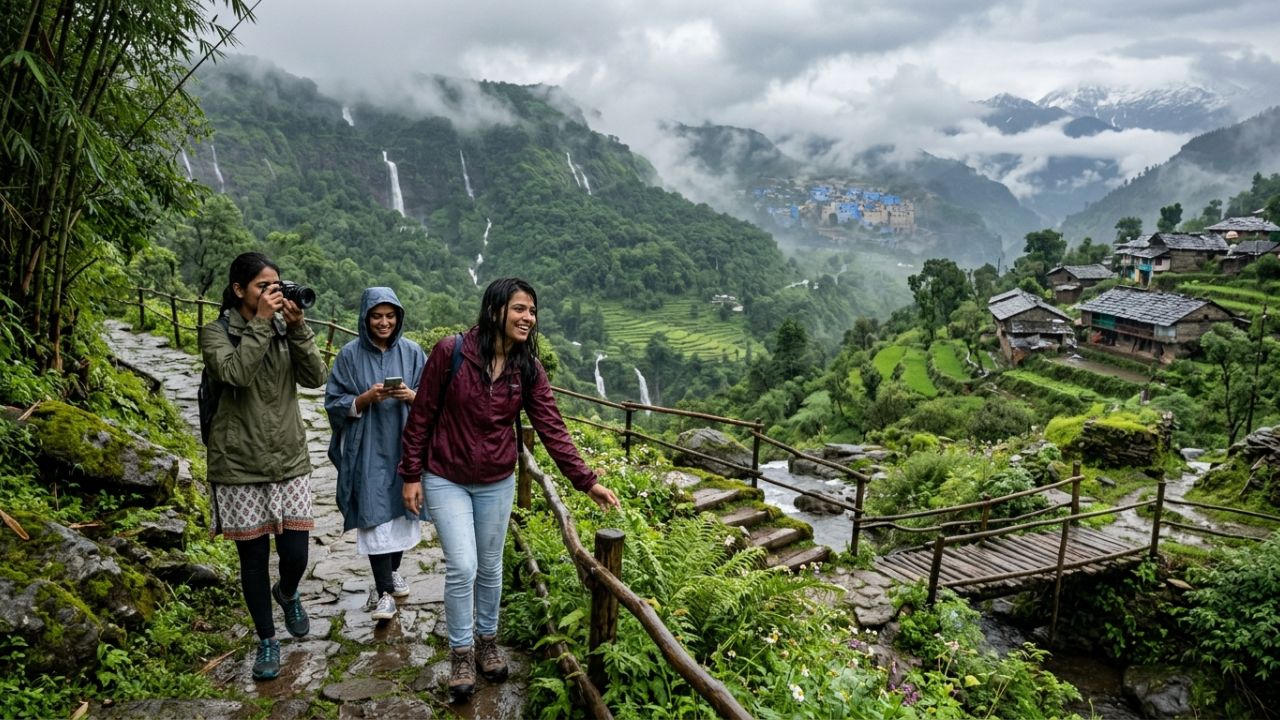
Image generated by AI
Published on June 23, 2026
A quiet evolution is redefining domestic travel behaviors across the subcontinent as travelers increasingly embrace Indian Monsoon Tourism by prioritizing pristine, nature-first destinations over crowded and commercial hill stations. Driven by shorter planning cycles, mounting congestion in traditional travel hubs, and a growing preference for unstructured, rain-soaked landscapes, this seasonal shift is rewriting the logic of monsoon escapes. Travelers are choosing to step off the beaten track to experience rain-washed environments where nature dictates the travel schedule rather than corporate itineraries.
Quick Summary
- Shift to Nature-First: Domestic travelers are moving away from congested, commercialized hill stations to seek quiet, nature-led destinations across Maharashtra, Rajasthan, and Himachal Pradesh.
- Spontaneous Travel Cycles: Monsoon travel decisions are increasingly compressed, with visitors planning and confirming trips just days in advance.
- Off-Packaged Itineraries: Emerging offbeat locations lack high-capacity hotels and curated attractions, offering instead a direct and raw encounter with seasonal rain-induced changes.
- Weather-Dictated Experiences: Travelers are choosing remote regions where environmental conditions, such as swollen rivers, dense mist, and flowing streams, shape their movement and activities.
To support and manage these evolving patterns, the Ministry of Tourism and regional boards are tracking the rise of short-notice travel. As traditional hubs experience significant bottlenecks, smaller settlements are gaining attraction due to their natural surroundings. The India Meteorological Department (IMD) monitors active monsoon spells, which directly influence these short-notice departures, making real-time weather tracking essential for travelers who want to witness the dramatic transformations of these rain-soaked landscapes.
Event and Incident Details: How Nature-First Escapes are Redefining Indian Monsoon Tourism
The transition toward nature-first destinations is unfolding across several key locations. These spots rarely feature in packaged itineraries and are not defined by high-capacity hotels or curated attractions. Instead, they offer a direct encounter with seasonal change, drawing short-notice travelers who seek quieter, less predictable escapes.
Dobhi, Himachal Pradesh: Himalayan Restraint
Located in the Fojal Valley along the approach to Manali, the quiet settlement of Dobhi offers a stark contrast to neighboring high-density destinations. During the rainy season, the surrounding landscape gains sharp definition. The forested mountain slopes deepen in color, and the Fojal River runs fuller and faster through the valley floor. While Manali draws the vast majority of the seasonal crowd, Dobhi remains relatively restrained, allowing travelers to enjoy the Himalayan setting without the density of peak-season travel.
Bhor, Maharashtra: The Sahyadris in Full Rain Mode
Situated on the outskirts of Pune, the region of Bhor undergoes a rapid visual transformation once the monsoon arrives. The Sahyadri mountain range, which remains dry and subdued outside the rainy season, becomes layered in dense vegetation. Water bodies reappear with force, shifting the terrain into a continuous stretch of green. Its close proximity to Pune and Mumbai makes Bhor a convenient option for quick getaways. However, a single overnight spell of rain can completely alter the landscape, turning routes into temporary corridors of mist and flowing water.
Rajgundha, Himachal Pradesh: Structural Seclusion
Deep within the Barot Valley, Rajgundha represents one of the state's most secluded monsoon environments. The region's isolation is structural, defined by limited road access, sparse infrastructure, and a local pace of life dictated largely by weather conditions. When the rains arrive, low clouds settle over the valley floor, obscuring the ridgelines for hours at a time. Movement slows accordingly. Visitors tend to stay within a narrow geographic range, letting the terrain itself dictate the experience rather than planned activities or sightseeing schedules.
Bundi, Rajasthan: Rain Rewriting a Desert Town
In eastern Rajasthan, Bundi presents a different interpretation of the rainy season. Here, rainfall does not merely cool down the climate; it completely alters the visual and architectural language of the town. Ancient stepwells regain their depth, local reservoirs fill up, and the old city's blue facades take on a muted, rain-washed tone. Operating with a lower volume of visitors than Rajasthan's better-known heritage cities, Bundi allows travelers to experience its historic water structures without the pressure of constant movement.
Kareri, Himachal Pradesh: Variable Wilderness Trails
Situated near Dharamshala in the Kangra district, the village of Kareri is best known as the starting point for the trek to Kareri Lake. In the monsoon months, the surrounding pine forests absorb continuous rainfall, and the trekking route changes character frequently as streams swell and paths soften. The primary appeal of Kareri is this atmospheric variability, where trail conditions shift within hours. Unlike commercial trekking zones, Kareri retains a low-profile environment where movement is shaped more by terrain than by infrastructure.
To help travelers compare these emerging locations, the table below outlines their primary features:
| Destination | State | Key Geographic Setting | Primary Monsoon Feature |
|---|---|---|---|
| Dobhi | Himachal Pradesh | Fojal Valley (near Manali) | Swollen Fojal River and deep-colored forested Himalayan slopes. |
| Bhor | Maharashtra | Sahyadri Mountains (near Pune) | Rapid greening of dry slopes and temporary corridors of mist and flowing water. |
| Rajgundha | Himachal Pradesh | Barot Valley | Secluded landscape with low clouds, limited access, and slow-paced movement. |
| Bundi | Rajasthan | Eastern Rajasthan | Refilled historic stepwells, full reservoirs, and rain-washed blue city facades. |
| Kareri | Himachal Pradesh | Kangra District (near Dharamshala) | Swelling streams, softening trekking trails, and variable pine forest paths. |
Risk and Impact: Infrastructure Strains and Safety Factors in Indian Monsoon Tourism
While nature-first destinations offer peace and seclusion, they also present distinct logistical and safety risks during the rainy season. Travelers must be prepared for the following disruptions:
- Sudden Route Changes: Intense downpours can instantly trigger flash floods and soften trekking trails, especially along the Kareri Lake route.
- Limited Infrastructure Support: Isolated locations like Rajgundha have very sparse infrastructure, meaning that emergency rescue and hospitality services are limited.
- Rapidly Changing Weather: Low-lying clouds and heavy fog can reduce visibility to near zero in mountainous valleys, halting travel and outdoor movement.
- High Road Volatility: Mountain roads and valleys can become blocked or washed away, leaving travelers temporarily stranded in remote settlements.
- Waterway Hazards: Swelling rivers, such as the Fojal River or the streams in Bhor, pose hazards for those attempting to cross or camp near riverbanks.
What Authorities Are Saying
Regional administrators and tourism departments advise travelers to exercise high caution when exploring off-grid areas. Agencies such as the Himachal Pradesh Tourism Development Corporation (HPTDC) emphasize that safety must remain a priority, recommending that visitors avoid pitching camps near riverbeds or embarking on unguided treks during heavy rainfall.
Additionally, authorities note that the structural isolation of these nature-first spots means emergency responses can be delayed. Tourism boards encourage visitors to monitor real-time weather reports and local road updates before commencing journeys, ensuring that spontaneity does not compromise safety.
Practical Traveler Advice: Navigating Nature-First Monsoon Escapes
To ensure a safe and enriching experience when visiting offbeat monsoon destinations, travelers should adhere to the following guidelines:
- Monitor Real-Time Weather Updates: Always check active weather warnings from national meteorological services before heading into mountainous or valley regions.
- Prioritize Route Flexibility: Maintain a flexible itinerary, as road closures or heavy mist can make certain routes impassable on short notice.
- Carry Essential Emergency Supplies: Pack basic medical kits, reliable rain gear, and backup power sources, particularly when heading to isolated spots like Rajgundha.
- Avoid Camping Near Active Water Bodies: Swelling rivers and streams can rise rapidly overnight; ensure campsites are located on high, stable ground.
- Use Experienced Local Guides: When attempting trails like the Kareri Lake trek, hire local guides who understand the shifting terrain and seasonal stream crossings.
- Confirm Lodging Options in Advance: Since these off-grid locations lack high-capacity hotels, secure homestays or guest houses prior to arrival.
Broader Context: The Seasonal Shift Toward Nature-First Travel
The emerging preference for offbeat destinations reflects a wider behavioral change in domestic tourism. Rather than viewing the rainy season as a period of restricted activity, travelers are seeking out the monsoon as the primary driver of their experience. This shift represents a rejection of commercialized, high-density hill stations like Manali in favor of areas that remain close to their natural rhythms.
This trend is supported by shorter decision-making cycles and the availability of private transit, allowing urban dwellers from cities like Mumbai, Pune, and Dharamshala to embark on spontaneous trips. Consequently, the monsoon is transforming from a seasonal travel barrier into a catalyst for experiential, low-density tourism.
What to Expect Next / Looking Ahead
Looking ahead, regional tourism boards plan to monitor these emerging travel patterns to develop sustainable infrastructure. In the coming seasons, local authorities are expected to implement safety checks along volatile routes, particularly in Barot Valley and the Kangra district. Travelers should expect more structured information on trail safety and regional road conditions during peak monsoon weeks.
Additionally, community-led homestay networks will likely expand to accommodate the rising demand of short-notice visitors. This will provide local economic benefits while preventing the high-density commercialization that has affected traditional hill stations.
Conclusion
The quiet shift in Indian Monsoon Tourism highlights a growing appreciation for raw, nature-first experiences over commercialized escapes. While traveling to secluded regions like Dobhi, Bhor, and Bundi requires careful planning and high vigilance, it rewards visitors with unique, rain-washed landscapes. By respecting local weather conditions and prioritizing safety, travelers can enjoy the natural beauty of the monsoon in its purest form.
Related Travel Guides
The 10 Best Monsoon Getaways in India, According To Reddit
Disclaimer: Monsoon travel conditions, road access, and trail safety in India are highly volatile and subject to rapid change. Travelers are advised to check current weather forecasts and local administration advisories before visiting remote or mountainous destinations.
FAQ: Indian Monsoon Tourism 2026
What is driving the shift toward nature-first destinations in India?
The shift is driven by rising congestion in popular tourist hubs, shorter travel planning cycles, and a growing preference for open, unstructured experiences in rain-soaked landscapes over commercialized hill stations.
How does the monsoon affect the desert town of Bundi?
In Bundi, Rajasthan, rainfall fills ancient stepwells and reservoirs while softening the blue facades of the old city. This allows visitors to experience its historic architecture in a quiet, water-centric environment.
Why is Rajgundha considered a secluded monsoon destination?
Rajgundha in Barot Valley is structurally isolated with limited access and sparse infrastructure. During the monsoon, low clouds settle over the valley, slowing movement and letting the terrain dictate the visitor experience.
What should travelers expect when visiting Bhor during the rainy season?
Located near Pune, Bhor's Sahyadri landscape turns lush green and features active water bodies. A single night of heavy rain can completely transform the terrain, creating temporary corridors of mist and flowing water.
Disclaimer
This article is for informational and educational purposes only. It does not constitute legal, financial, or professional advice. While we strive to provide accurate and up-to-date information, travel policies, regulations, and conditions change rapidly. Always verify information with official sources before making travel decisions. Nomad Lawyer makes no representations about the accuracy, reliability, completeness, or suitability of the information provided. Readers should consult qualified professionals for advice specific to their circumstances. The views expressed in this article are those of the author and do not necessarily reflect the views of Nomad Lawyer.
Kunal K Choudhary
Co-Founder & Contributor
A passionate traveller and tech enthusiast. Kunal contributes to the vision and growth of Nomad Lawyer, bringing fresh perspectives and driving the community forward.
Learn more about our team →