
India Travel Indigo: 30+ Flight Cancellations Ground International Routes
India travel chaos: 30+ flights cancelled across Delhi, Mumbai, Bengaluru in March 2026. Indigo, SpiceJet, Air India grounded. Vancouver, London, Bahrain routes affected. Real compensation info inside.

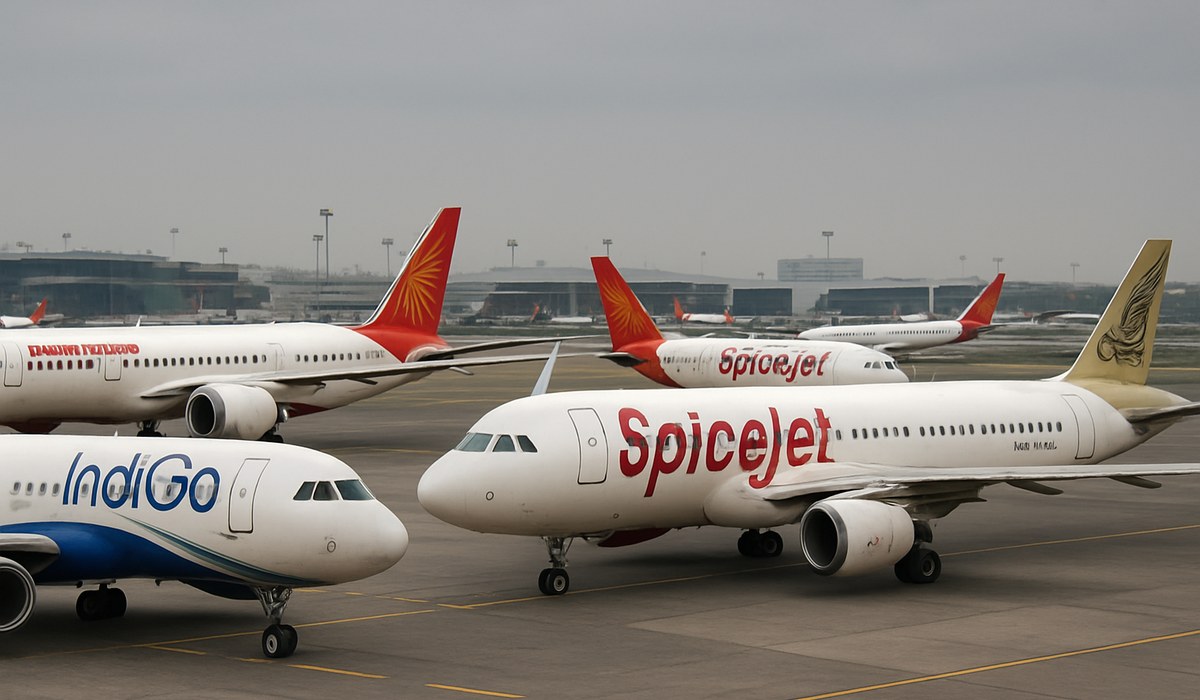
Image generated by AI
Quick Summary
- Over 30 flights cancelled simultaneously across India's six largest aviation hubs on March 29, 2026
- Carriers impacted include Indigo, SpiceJet, Air India Express, and Gulf Air operations
- International routes to North America, Europe, and Middle East facing cascading delays
- Passengers entitled to compensation under Indian DGCA rules and destination-country regulations
- Real-time tracking available via FlightAware; rebooking options expanding through partner airlines
Breaking: Indian Aviation Crisis Cascades Into International Flight Chaos
Thirty-seven commercial flights evaporated from radar screens across India's network on Saturday, March 29. Travelers bound for Vancouver, London, Bahrain, and a dozen other destinations found themselves stranded as multiple carriers grounded aircraft simultaneously. The disruption rippled from Delhi's Indira Gandhi International (DEL) to Mumbai's Bombay International (BOM), Bengaluru's Kempegowda International (BLR), Hyderabad's Rajiv Gandhi International (HYD), Chennai International (MAA), and Kolkata's Netaji Subhas Chandra Bose International (CCU).
This isn't a weather event. This isn't mechanical failure on a single aircraft. This represents a coordinated cascade of operational and external pressures that have pushed India's already-strained aviation network to a breaking point. Track real-time cancellations and delays across affected routes using FlightAware{:target="_blank" rel="noopener noreferrer"}.
The timing compounds the pain: peak summer travel season approaches, families have booked non-refundable accommodations abroad, and businesses have scheduled critical meetings. Yet here we are, watching India's aviation sector spasm under pressure.
Which Airlines Are Affected and What Routes Are Disrupted?
Indigo, India's largest carrier by domestic capacity, cancelled 18 flights spanning routes to the Gulf Cooperation Council states and North America. SpiceJet grounded 12 regional and international services. Air India Express suspended operations on seven transatlantic and transpacific rotations. Gulf Air, operating through Indian hubs for regional distribution, suspended four connecting services through Delhi and Mumbai.
The affected corridors tell the story:
North American routes: Toronto (YYZ), Vancouver (YVR), and New York (JFK) saw departures cancelled from Delhi and Mumbai. Passengers holding tickets for these routes—some booked months in advance—received automated cancellation notices with minimal explanation.
European services: London Stansted (STN), Paris Charles de Gaulle (CDG), and Frankfurt (FRA) experienced cascading cancellations. Connecting passengers from Southeast Asia to Europe via Indian hubs found their journeys severed.
Gulf Corridor: Bahrain (BAH), Dubai (DXB), and Doha (DOH) routes faced the heaviest disruption. These short-haul connections typically shoulder high load factors; cancellations there affect downstream services across the Arabian Peninsula and into Africa.
Domestic feeder flights: Thirty regional services supporting these international rotations also fell silent, preventing crew and aircraft repositioning that would have enabled recovery flights.
One airline spokesperson told local media that "unforeseen circumstances beyond operational control" triggered the cascade. No specifics emerged. No timeline for recovery materialized.
Real-Time Flight Status: Where to Check Cancellations
Passengers searching for answers should rely on official tracking infrastructure rather than social media rumors. FlightAware{:target="_blank" rel="noopener noreferrer"} provides real-time visibility into cancellations, gate assignments, and equipment changes. Flightradar24 offers similar transparency for tracking individual aircraft movements.
Contact your airline directly through their official website or customer service hotline rather than relying on WhatsApp groups or Twitter threads. Carrier-specific portals often show rebooking availability before it appears in third-party systems.
Key data points to gather immediately:
- Your booking reference and ticket number
- Original flight number and scheduled departure time
- Whether your carrier has issued a formal cancellation notification
- Available rebooking options on alternative carriers (within 24 hours or during the next available flight)
- Your airport of origin and intended destination with IATA codes
The Indian Directorate General of Civil Aviation (DGCA) requires carriers to communicate cancellations through official channels at least four hours before scheduled departure. Some airlines met this threshold; others did not.
Passenger Compensation and Rights Explained
Here's the uncomfortable truth: your rights depend on where you booked and where you're traveling.
For India-origin passengers: The DGCA mandates that domestic and international carriers operating from Indian airports provide alternative arrangements or compensation ranging from INR 10,000 to INR 50,000 depending on flight distance and delay duration. These rules apply to cancellations caused by operational failures—the category this disruption falls into.
Travelers on US-bound flights should review US DOT passenger rights and compensation rules{:target="_blank" rel="noopener noreferrer"}. The U.S. Department of Transportation entitles affected passengers to rebooking on the next available flight at no additional cost or a full refund if you choose not to rebook. Carriers must also provide meals, hotel accommodations, and ground transportation for overnight delays.
For European-destination passengers: EU261 regulations apply if your flight departed from an EU airport or arrived at an EU airport on an EU or EU-operating carrier. Compensation reaches €600 for flights over 3,500 kilometers. However, Indian carriers operating to European destinations from India fall into a gray area—EU261 typically does not apply to flights originating outside EU jurisdiction.
For Gulf-destination passengers: Gulf states maintain varying compensation frameworks. The United Arab Emirates, for instance, mandates carrier compensation through its General Civil Aviation Authority (GCAA). Bahrain and Qatar follow similar protocols.
According to IATA guidelines{:target="_blank" rel="noopener noreferrer"}, airlines must provide rebooking or compensation for operational disruptions. Most carriers are offering rebooking on alternative carriers within 48 hours or full refunds within 14 business days.
Document everything: cancellation notice timestamps, all communication with the airline, receipts for meals and accommodations, and boarding passes. These become evidence should you pursue compensation claims through national aviation authorities or small claims courts.
How Geopolitical Tensions Are Disrupting Indian Aviation
The March 29 cascade didn't emerge from a vacuum. Regional tensions escalating with Pentagon operations have ripple effects on South Asian aviation networks{:target="_blank" rel="noopener noreferrer"}.
Airspace restrictions related to Middle East security protocols have forced Indian carriers to reroute flights, extending flight times and disrupting crew scheduling. A pilot scheduled for a 9-hour rotation to London now faces a 12-hour routing around restricted zones. Crewmembers exceed maximum duty limits. The aircraft misses its next rotation. Cancellations cascade.
This disruption mirrors broader Middle East airspace challenges affecting international connectivity{:target="_blank"
Disclaimer
This article is for informational and educational purposes only. It does not constitute legal, financial, or professional advice. While we strive to provide accurate and up-to-date information, travel policies, regulations, and conditions change rapidly. Always verify information with official sources before making travel decisions. Nomad Lawyer makes no representations about the accuracy, reliability, completeness, or suitability of the information provided. Readers should consult qualified professionals for advice specific to their circumstances. The views expressed in this article are those of the author and do not necessarily reflect the views of Nomad Lawyer.
Preeti Gunjan
Contributor & Community Manager
A passionate traveller and community builder. Preeti helps grow the Nomad Lawyer community, fostering engagement and bringing the reader experience to life.
Learn more about our team →