
India Issue Tourist Visas for Chinese Nationals Five Years After Galwan
India relaxes tourist visa restrictions for Chinese, Hong Kong, and Macau nationals in 2026, reopening Buddhist pilgrimage routes five years after Galwan Valley border tensions. New provisions enable diplomatic family travel and sacred mountain expeditions.

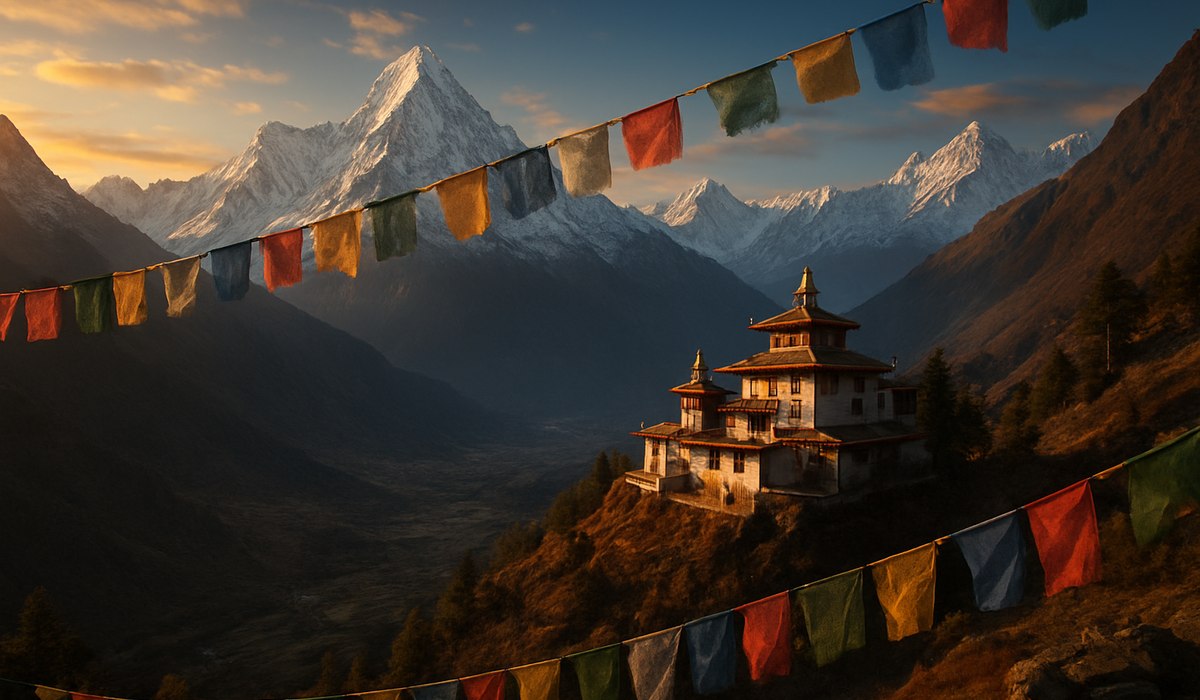
Image generated by AI
India Relaxes Tourist Visa Restrictions for Chinese Nationals After Five-Year Freeze
India has officially eased tourist visa policies for Chinese, Hong Kong, and Macau nationals, marking a significant diplomatic thaw five years after the Galwan Valley border incident. The revised framework prioritizes Buddhist pilgrims, diplomatic family members, and cultural travelers while maintaining selective security protocols. This policy shift enables the resumption of sacred pilgrimages and strengthens people-to-people connectivity across South Asia's most populous nations.
The easing of India issue tourist visa rules reflects broader efforts to normalize bilateral relations through enhanced travel accessibility. Government officials emphasized that security measures remain proportionate and evidence-based, ensuring traveler safety while facilitating legitimate tourism. The announcement coincides with infrastructure improvements, including reinstated direct flight routes and preparations for the Kailash Mansarovar Yatra expeditions.
Who Qualifies for India's Revised Tourist Visa?
Eligible applicants include citizens of mainland China, Hong Kong, and Macau seeking entry for tourism, religious pilgrimage, or official family visits. Buddhist practitioners qualify for expedited processing, particularly those participating in organized pilgrimages to temples in Bodh Gaya, Dharamshala, and Varanasi. Spouses and dependent children of Indian diplomatic staff stationed abroad now gain streamlined access previously restricted.
The revised eligibility framework excludes individuals with prior security flags, visa violations, or documented involvement in restricted activities. Applicants must demonstrate genuine tourism intent through itinerary documentation, accommodation proof, and financial sufficiency. Religious organizations can sponsor groups of pilgrims through designated liaison offices, reducing individual processing burdens.
Business travelers remain under separate visa categories and should consult the Ministry of External Affairs for applicable regulations. First-time travelers from these nationalities may face additional verification steps, though processing timelines have improved substantially. Age restrictions do not apply, though minors require parental consent documentation and guardian accompaniment.
How to Apply Step by Step
Step 1: Determine Your Eligibility Category Identify whether you qualify as a tourist, pilgrim, diplomatic family member, or business traveler. Visit the Indian Ministry of External Affairs official portal to confirm your classification and review category-specific requirements.
Step 2: Prepare Required Documentation Gather a valid passport with minimum six months validity beyond intended stay, completed visa application form (V36), recent passport-sized photographs, and proof of accommodation. Buddhist pilgrims should include organization sponsorship letters or temple invitations. Diplomatic family members must provide official letters from their respective embassies.
Step 3: Submit Your Application Apply through Indian visa application centers in your jurisdiction or via the online e-visa portal. Standard tourist visas require submission at authorized centers; e-visa processing is available for specific categories. Allow 4-6 weeks for standard processing, or select expedited options for additional fees.
Step 4: Pay Visa Fees Tourist visa fees range from USD 25 to USD 100 depending on validity period and processing speed. Diplomatic family members may qualify for reduced fees; pilgrims often receive fee waivers through sponsoring organizations. Payment methods include credit cards, bank transfers, and authorized payment gateways.
Step 5: Attend Biometric Appointment (if Required) Some applicants require in-person biometric collection for fingerprints and facial recognition. Schedule appointments at designated visa centers; processing typically occurs within one week following submission. Pilgrims and diplomatic family members may qualify for biometric waivers with documentation.
Step 6: Receive Your Visa Standard processing delivers physical visas within 6-8 weeks. E-visa approvals generate digital authorization documents for printing; present printed copies upon arrival. Track application status through the official portal using your registration number and passport details.
Special Provisions for Buddhist Pilgrims and Diplomatic Families
Religious travelers gain unprecedented access through category-specific streamlining introduced in 2026. Buddhist organizations registered with Indian religious authorities can batch-process pilgrim applications, reducing per-person documentation requirements. Sponsoring temples and monasteries now operate dedicated visa liaison offices in Beijing, Shanghai, and Hong Kong, eliminating intermediaries.
Diplomatic family members—spouses and children of Indian mission staff—qualify for 10-year multiple-entry visas with relaxed financial documentation. This provision recognizes professional relocation circumstances and reduces annual reapplication burdens. Priority processing ensures visa delivery within 10 working days for this category.
Kailash Mansarovar pilgrims benefit from group-rate visa processing coordinated through approved travel operators. Organized expeditions receive consolidated visa batches, reducing individual processing timelines to two weeks. This development revives annual pilgrimages suspended since 2020, with 2026 expeditions reaching 500+ participants per season.
Security Measures Remain: Satellite Phone Restrictions Continue
Despite visa relaxation, India maintains satellite phone restrictions for all foreign visitors, including Chinese nationals. The Ministry of Communications enforces prohibitions on carrying Iridium, Globalstar, and Inmarsat devices into Indian territory. Violators face fines up to INR 500,000 and potential deportation, regardless of visa category.
This security framework reflects documented incidents involving unauthorized communication equipment in sensitive border regions. Travelers should verify their devices at origin before boarding flights to India. Alternative communication options—including Indian SIM cards and WiFi-based services—remain fully accessible and constitute standard alternatives for legitimate travelers.
Biometric screening at airports includes declaration of communication equipment alongside customs procedures. Cooperating voluntarily prevents extended detention and demonstrates good-faith compliance. Security personnel provide clear guidance on authorized and restricted technology at entry points.
Revival of Kailash Mansarovar Yatra and Direct Flight Routes
The 2026 travel season marks the resumption of the sacred Kailash Mansarovar pilgrimage circuit, suspended since border tensions escalated in 2020. Chinese nationals now gain access to this religious expedition through group-organized tours coordinated by certified operators. Expeditions depart quarterly from Delhi and Kathmandu, with arrangements for 20-30 participant groups per departure.
Direct flight services between Beijing, Shanghai, and Indian metros (Delhi, Mumbai, Bangalore) reactivated in March 2026, reducing travel duration by 6-8 hours compared to connecting routes. Carriers including Air India, China Eastern, and China Southern coordinate with Indian authorities to implement expedited immigration screening at arrival hubs. Flight frequency increases to 12+ weekly services by summer 2026, supporting tourism recovery.
The Yatra route encompasses sacred sites at Mount Kailash (6,638 meters) and Lake Mansarovar in Tibet's autonomous region, requiring separate permits beyond tourist visas. Group leaders coordinate permits through designated Chinese travel offices; individual arrangements are not permitted. Expeditions incorporate acclimatization phases and medical screening to ensure participant safety at extreme altitudes.
Key Data Points: India Tourist Visa Framework 2026
| Metric | Details |
|---|---|
| Eligible Nationalities | Mainland China, Hong Kong, Macau |
| Visa Categories Reopened | Tourist, Religious Pilgrimage, Diplomatic Family |
| Tourist Visa Validity | 6 months to 1 year (validity-dependent) |
| Standard Processing Time | 6-8 weeks; expedited options 10-15 days |
| Visa Fees (USD) | $25–$100 depending on duration and processing |
| Buddhist Pilgrim Processing | 2-4 weeks through organizational sponsorship |
| Diplomatic Family Validity | 10 years ( |
Disclaimer
This article is for informational and educational purposes only. It does not constitute legal, financial, or professional advice. While we strive to provide accurate and up-to-date information, travel policies, regulations, and conditions change rapidly. Always verify information with official sources before making travel decisions. Nomad Lawyer makes no representations about the accuracy, reliability, completeness, or suitability of the information provided. Readers should consult qualified professionals for advice specific to their circumstances. The views expressed in this article are those of the author and do not necessarily reflect the views of Nomad Lawyer.
Raushan Kumar
Founder & Lead Developer
Full-stack developer with 11+ years of experience and a passionate traveller. Raushan built Nomad Lawyer from the ground up with a vision to create the best travel and law experience on the web.
Learn more about our team →