
India Triggers Massive Outdoor Tourism Boom as Camping Infrastructure Scales Across Extreme Ecosystems
A massive surge in immersive outdoor travel is radically reshaping India's tourism matrix, driving heavy infrastructure investment across high-altitude deserts and deep forest reserves.

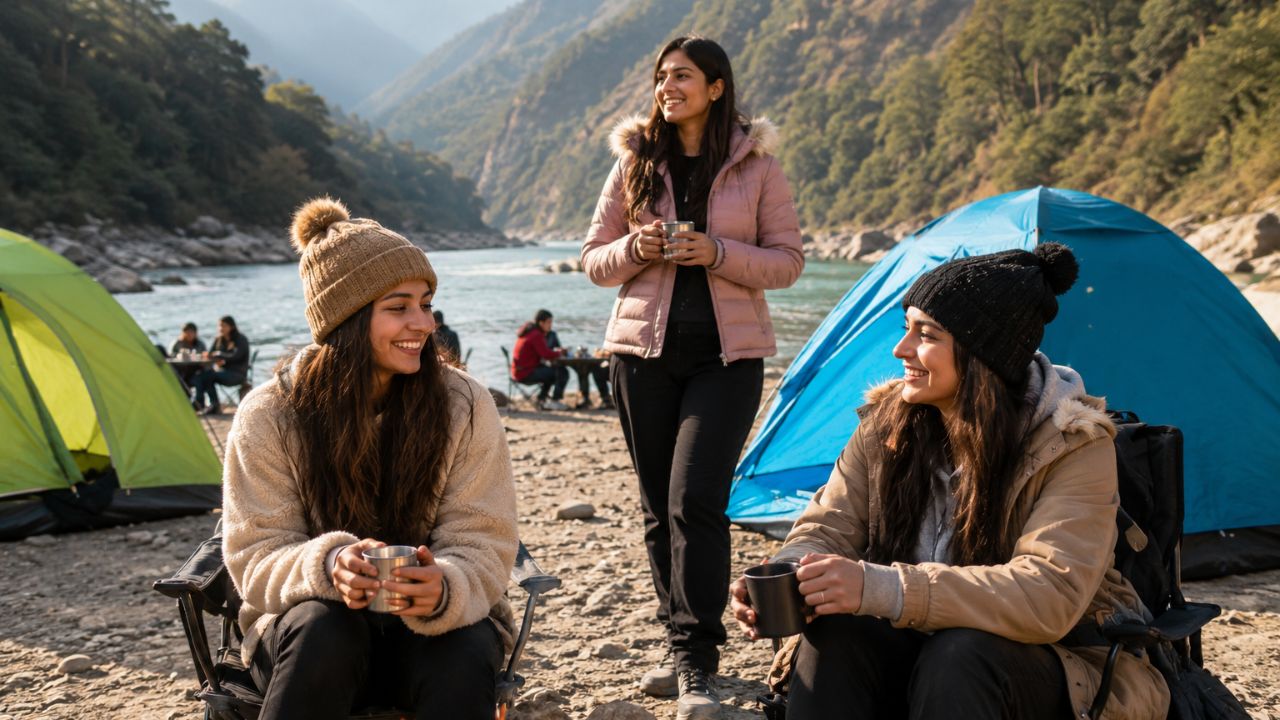
Image generated by AI
[New Delhi, July 3] — The Indian travel economy is executing a massive structural shift away from traditional urban sightseeing, actively channeling heavy investment into the immersive outdoor sector. Driven by skyrocketing consumer demand for raw, nature-based isolation, commercial camping has erupted into a highly structured, multi-million-dollar industry. State tourism boards and private operators across Karnataka, Uttarakhand, Ladakh, Rajasthan, and Himachal Pradesh are aggressively scaling their outdoor infrastructure, fundamentally converting India’s most extreme ecosystems—ranging from the high Himalayas to the Thar Desert—into a heavily integrated national camping network.
This aggressive market pivot leverages the country's extraordinary geographical diversity to create a multi-season revenue pipeline. Rather than competing for the same standard leisure demographics, each region is strategically marketing a highly specific environmental product, ranging from high-adrenaline river expeditions to luxury desert glamping.
The High-Altitude Desert Corridors
In the trans-Himalayan region, Spiti Valley in Himachal Pradesh operates as the ultimate extreme isolation product. Surrounded by dry mountains and deep gorges, commercial campsites are strictly relegated to dry riverbeds and the fringes of small mountain villages. The severe altitude and complete lack of light pollution transform the region into a natural observatory, catering exclusively to extreme wilderness travelers seeking total detachment.
Further north, Pangong Lake in Ladakh delivers an even more severe high-altitude camping experience. Positioned within a freezing cold desert landscape, the campsites border the famous color-shifting lake, which transitions rapidly between intense blue and green hues. Operators here must manage severe logistical friction, as plummeting post-sunset temperatures and dangerously low oxygen levels demand highly specialized survival gear and strict acclimatization protocols.
Riverine and Forest Ecosystems
In stark contrast to the high-altitude deserts, Rishikesh in Uttarakhand has successfully engineered a highly active, river-based camping economy. Positioned along the sandy banks of the Ganges River, operators integrate accommodation directly with high-margin adventure activities, including severe whitewater rafting, trekking, and canopy ziplining. This deliberate fusion of high-adrenaline daytime operations with structured evening yoga and meditation generates a massive, high-turnover consumer base.
In southern India, Coorg in Karnataka leverages the intense biodiversity of the Western Ghats. Tourism operators embed low-impact campsites directly into operational coffee plantations and thick evergreen forests. Because the environment features misty hills and dense vegetation, operations focus heavily on slow-paced ecological observation and waterfall trekking, providing a critical counterbalance to the severe physical demands of the Himalayan circuits.
The Thar Desert Glamping Matrix
Jaisalmer in Rajasthan dominates the arid market by monetizing the vast sand dunes of the Thar Desert. While traditional minimalist tents remain available, the region has seen a massive influx of high-end corporate glamping operations. By coupling luxury accommodation with slow-paced camel travel and highly produced regional cultural performances, Jaisalmer successfully extracts premium revenue from demographics that desire wilderness exposure without sacrificing high-end hospitality standards.
Key Facts Breakdown
- Spiti Valley (Himachal Pradesh): Delivers extreme trans-Himalayan isolation and zero light pollution along dry riverbeds.
- Rishikesh (Uttarakhand): Fuses Ganges River camping with high-adrenaline rafting and structured meditation.
- Pangong Lake (Ladakh): Features severe cold-desert conditions and dangerously low oxygen levels next to a color-shifting lake.
- Coorg (Karnataka): Embeds low-impact campsites into Western Ghats coffee plantations and evergreen forests.
- Jaisalmer (Rajasthan): Monetizes the Thar Desert through luxury glamping, camel transit, and cultural performances.
Why This Matters
Our analysis of this nationwide infrastructure expansion indicates that India's outdoor tourism sector has officially graduated from a fragmented fringe market into a highly structured economic pillar. By establishing these five distinct ecological corridors, the Indian government is successfully decentralizing tourist traffic, actively pulling high-yield consumers away from heavily congested metropolitan hubs like Delhi and Mumbai. Furthermore, the aggressive commercialization of extreme zones like Pangong Lake and Spiti Valley proves that domestic travelers are increasingly willing to absorb severe physical discomfort—and pay premium rates—for exclusive, highly photogenic natural experiences. This structural shift is critical; it forces rural economies to rapidly professionalize their hospitality standards while directly injecting capital into historically isolated mountain and desert communities.
Industry Outlook
Market trends suggest that this explosive outdoor growth will immediately trigger severe regulatory crackdowns regarding ecological preservation. As massive volumes of commercial traffic flood into highly sensitive zones like the Western Ghats and the Ladakh cold deserts, expect state governments to enforce strict carrying-capacity limits and mandatory zero-waste protocols for all commercial operators. Furthermore, global outdoor apparel and equipment brands will likely execute a massive retail expansion across India over the next 24 months, recognizing the subcontinent as the fastest-growing market for specialized high-altitude and desert survival gear. However, operators in Ladakh and Spiti must brace for increased logistical friction, as volatile climate shifts threaten to shorten the already brief high-altitude operational windows.
Related Travel Guides
- Riga Aggressively Doubles Tourist Tax for 2027 to Fund Major Baltic Corporate Travel Expansion
- US Domestic Travel Collapses Under Historic 72-Million Passenger Gridlock
- APAC Travel Demand Surges as India and Australia Anchor Massive Market Rebound
- Morocco Secures 4.5% Economic Growth Forecast for 2026 as Tourism and Heavy Industry Merge
- Global Event Tourism Market to Hit $2.5 Trillion by 2032 as Corporate Giants Abandon Remote Work
Disclaimer
This article is for informational and educational purposes only. It does not constitute legal, financial, or professional advice. While we strive to provide accurate and up-to-date information, travel policies, regulations, and conditions change rapidly. Always verify information with official sources before making travel decisions. Nomad Lawyer makes no representations about the accuracy, reliability, completeness, or suitability of the information provided. Readers should consult qualified professionals for advice specific to their circumstances. The views expressed in this article are those of the author and do not necessarily reflect the views of Nomad Lawyer.
Kunal K Choudhary
Co-Founder & Contributor
A passionate traveller and tech enthusiast. Kunal contributes to the vision and growth of Nomad Lawyer, bringing fresh perspectives and driving the community forward.
Learn more about our team →