
Radical Transit Pricing Shifts Detonate Through Texas, Sparking Commuter Shockwaves
A highly controversial wave of aggressive transit pricing shifts and brutal service cuts has forcefully hit Texas, unifying massive cities like Arlington and Houston in economic commuter frustration.

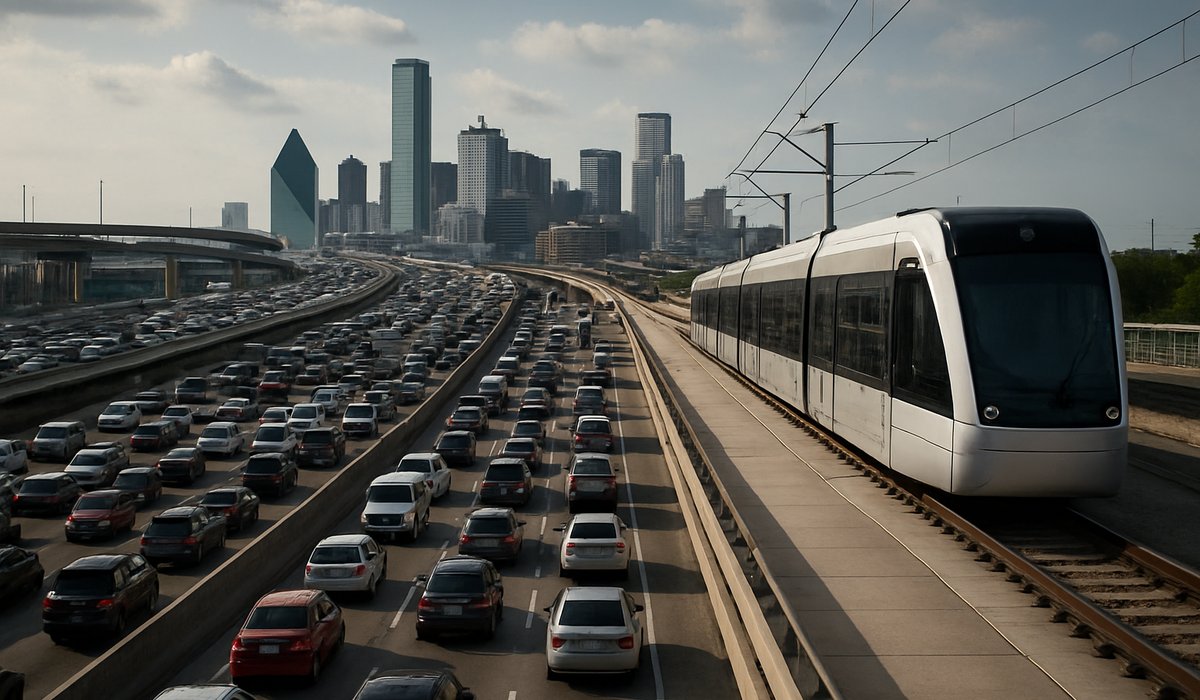
Image generated by AI
The Massive Cost of Movement Re-evaluates the Texan Lifestyle
Sending massive, deeply hostile economic shockwaves straight through the core of the Lone Star State, an entirely unprecedented wave of radical transit pricing shifts and brutal service reductions has effectively paralyzed massive municipal grids from Dallas to San Antonio. Acting as the highly controversial nucleus for the pricing shift, Arlington is currently uniting the state in a forced realignment of public mobility. Because the massive, sprawling Texan metropolitan network is fundamentally buckling under the sheer weight of incredible population surges and severely under-funded public transit infrastructure, the government is aggressively offloading the financial strain directly onto the daily commuter.
Unlike densely clustered East Coast cities that heavily rely on century-old subway systems, Texas relies primarily on massive, highly decentralized bus networks and specialized municipal light rail (like Dallas DART or Houston METRO). The aggressive 2026 fare hikes are completely shattering the fundamental economic calculation of the daily commute. For deeply budget-conscious local residents and highly mobile domestic tourists, the sudden escalation in public transit costs—combined effortlessly with highly reduced operating hours—creates an incredibly toxic environment where individuals are actively forced to choose between groceries and a daily bus pass.
The Fight Between Asphalt and Rail
The absolute root of the Texas transit crisis lies heavily in its sprawling geography.
Cities like Houston and Austin expanded violently outward via massive eight-lane highways, severely starving their centralized public transit systems of vital municipal funding for decades. Now that the highways are completely locked in structural gridlock, these cities are desperately attempting to rapidly modernize and expand their rail networks. However, because the historical massive funding gap is so incredibly wide, the localized transit authorities have absolutely zero choice but to heavily raise ticket prices and radically cut "low-performing" suburban bus routes simply to keep the central urban trains physically running.
Breakdown of the Texas Transit Shockwave
| Municipal Hub | The Current Transit Reality | Direct Economic Impact |
|---|---|---|
| Arlington / Dallas | Aggressive fare hikes | Severely penalizes low-income commuter demographics |
| Houston | Deep structural route cuts | Massively increases dependency on highly expensive Uber/Lyft |
| Austin / San Antonio | Rapid modernization | Forces massive tax strains on urban property owners |
What Guests Get
- Geographic reality checks — realizing that a city built explicitly for cars (like Dallas) cannot magically transform into a highly functioning rail city overnight without someone paying massive financial penalties.
- The economics of the commute — understanding that an extra $2 a day for public transit fundamentally destroys the monthly budget of essential service workers heavily operating the local hotel and restaurant grid.
- Tourism dynamics — grasping how violently a lack of affordable public transit damages the tourism sector; if tourists cannot cheaply navigate from the airport to the city center, they simply choose to vacation elsewhere.
What This Means for Travelers
If you are traveling into the Texan mega-hubs in 2026: You absolutely must pre-calculate your local mobility budget entirely before landing. Do not assume you can casually grab a highly affordable, rapid localized train directly from Houston Bush Intercontinental (IAH) to your suburban hotel. You must aggressively download the highly localized municipal transit apps (like the DART app in Dallas) immediately. Due to the massive service cuts, bus frequencies have dropped radically; missing a connection might mathematically strand you in a massive concrete park-and-ride lot for over an hour heavily under the brutal Texas sun.
Re-evaluating the Rental Car: Prior to 2026, many budget travelers actively rejected expensive rental cars in Austin or Dallas, heavily relying instead on cheap rideshares or local buses. The radical spike in public transit costs, heavily combined with the algorithmically surging prices of Uber and Lyft during commuter rush hour, actually means that securing a traditional rental car might mathematically once again be the absolute cheapest, most highly reliable way for a tourist to successfully navigate the colossal footprint of the Texan metropolis.
FAQ: Navigating the Texas Public Transit Crisis
Why doesn't Texas just build more highways to fix the traffic? They physically cannot. Urban planners refer to this heavily as "induced demand." Every time Houston spends $2 billion to aggressively add two more lanes to a massive highway, the lanes instantly fill with more cars, entirely recreating the exact same gridlock five years later.
How does Arlington fit into the Dallas transit network? Arlington historically operated as the incredibly rare, massive American city (population nearly 400,000) heavily lacking a comprehensive traditional mass transit network, instead aggressively piloting cutting-edge (but highly experimental and costly) on-demand municipal rideshare technologies.
Are the Texas transit price hikes permanent? Yes. Unlike temporary gas price fluctuating margins, once a municipal government successfully forces a radical fare hike through the grueling local legislative process, it is effectively locked into the civic baseline economics forever.
Related Travel Guides
Disclaimer
This article is for informational and educational purposes only. It does not constitute legal, financial, or professional advice. While we strive to provide accurate and up-to-date information, travel policies, regulations, and conditions change rapidly. Always verify information with official sources before making travel decisions. Nomad Lawyer makes no representations about the accuracy, reliability, completeness, or suitability of the information provided. Readers should consult qualified professionals for advice specific to their circumstances. The views expressed in this article are those of the author and do not necessarily reflect the views of Nomad Lawyer.
Raushan Kumar
Founder & Lead Developer
Full-stack developer with 11+ years of experience and a passionate traveller. Raushan built Nomad Lawyer from the ground up with a vision to create the best travel and law experience on the web.
Learn more about our team →