
Croatia Hits 29.5 Million Overnight Stays: Germany Leads Adriatic Travel Boom and Coastal Guide
Croatia logs 29.5 million overnight stays in the first half of 2026, with German travelers generating over 5 million nights across Istria, Kvarner, and Dalmatia.

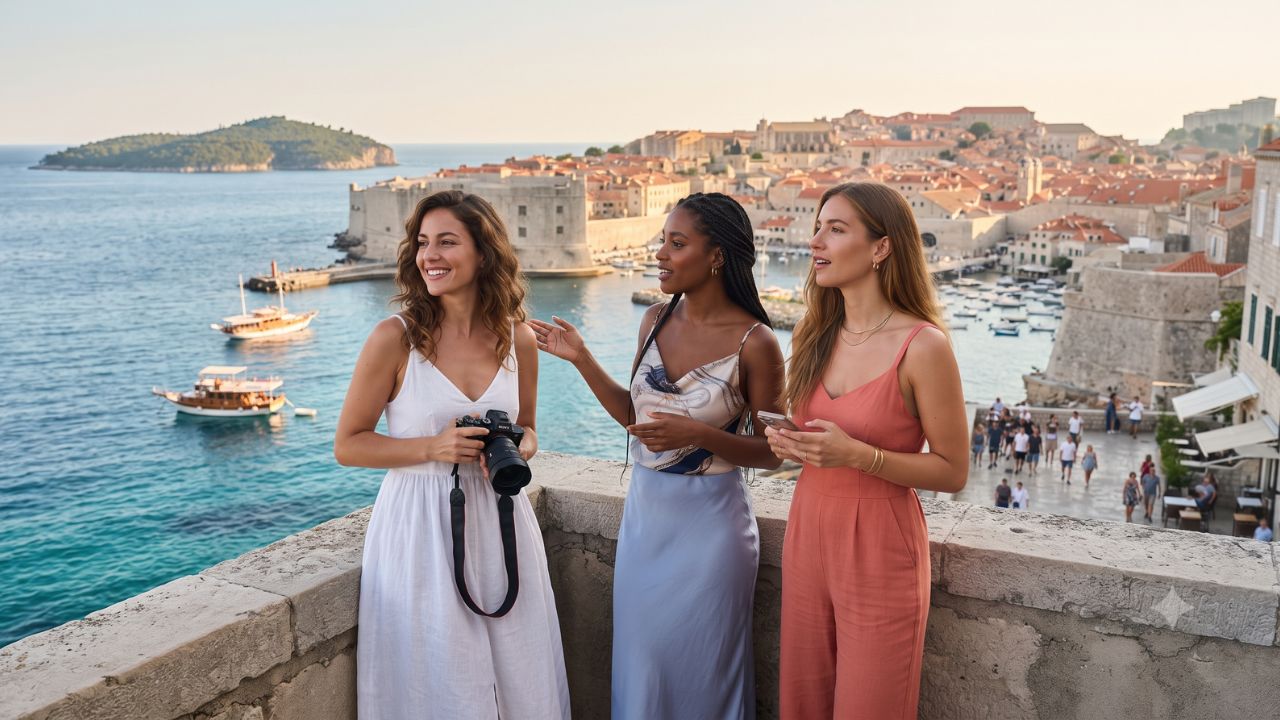
Image generated by AI
With over 1,000 islands and islets dotting its limestone coast, Croatia registered an extraordinary 29.5 million tourist overnight stays in the first six months of 2026 alone. Propelled by seamless motorway connections from Central Europe and sustained demand for Mediterranean sailing routes, German travelers generated over 5 million overnight stays, cementing Germany as the leading international source market across Istria, the Kvarner Gulf, and Dalmatia.
Adriatic Surge: Germany Tops 5 Million Nights as Croatia Surpasses 29.5 Million Stays
Accommodation data compiled across hotels, private holiday villas, and nautical berths highlights a strong European travel flow into Croatia. Rather than concentrating solely on mid-summer weekend getaways, European visitors are booking longer multi-week stays that stretch the tourism calendar into spring and autumn.
Key European feeder markets powering the 29.5 million overnight milestone include:
- Germany: The top international contributor with over 5 million overnight stays, driven by multi-generational family road trips and extended seaside camping across Istria and Kvarner.
- Slovenia: The leading neighboring market, providing steady year-round traffic to northern Adriatic shores and island marinas.
- Poland: Rapidly expanding into Dalmatia's coastal resorts, driven by strong demand for family-friendly pebble beaches and self-catering apartments.
- Austria: Supporting high-value luxury stays and heritage coastal hotels in historic Opatija and the Kvarner Riviera.
- Italy, the UK, Czech Republic, and Hungary: Fueling direct air arrivals into Dubrovnik and Split, alongside maritime catamaran routes across the southern islands.
Official tourism campaigns, accommodation registers, and regional cultural schedules are published by the Croatia National Tourist Board.
What Makes the 2026 Croatian Coastal Season Different
Croatia's tourism economy is increasingly defined by experiential and regional diversification:
- The Istrian Culinary Corridor: Travelers flock to hilltop medieval villages like Motovun and Grožnjan for white truffle hunting and indigenous Malvazija wine tastings, blending gourmet agritourism with beach holidays.
- Sailing and Nautical Independence: Croatia's island chains—including Hvar, Korčula, Brač, and Vis—anchor Europe's premier bareboat and skippered yacht charter industry.
- Living Antiquity: Coastal urban centers integrate ancient heritage into everyday life, from the Roman foundations of Diocletian's Palace in Split to the fortified medieval ramparts of the Old City of Dubrovnik.
Visitor Insider Tips
- Ferry Booking Logistics: During peak summer months, book vehicle deck space on coastal car ferries weeks in advance through Jadrolinija. For foot passengers hopping between Split, Hvar, and Dubrovnik, high-speed passenger catamarans offer faster transit than car ferries.
- Timing the Shoulder Season: To enjoy warm swimming waters without congested stone alleyways, plan your visit in June or September. Daytime temperatures average 25°C to 28°C, and accommodation rates drop by 25% to 40% compared to August.
- Maximizing the Dubrovnik Pass: If visiting Dubrovnik, purchase an official 1-day or 3-day Dubrovnik Pass online. It includes full access to the historic City Walls, multiple museums, and unlimited municipal Libertas bus travel, bypassing physical ticket queues.
- Driving Coastal Routes: While the modern A1 Dalmatina motorway provides rapid transit between Zagreb and Ploče, take the scenic D8 Jadranska Magistrala coastal road for panoramic views of limestone cliffs dropping directly into the turquoise sea.
Cultural and Environmental Context
Managing 29.5 million overnight stays along a narrow coastal strip requires careful environmental stewardship. Municipal authorities in Dubrovnik and Split enforce strict cruise ship arrival limits (capping disembarkations to two ships simultaneously) to prevent pedestrian gridlock in historic stone centers.
Concurrently, marine protection programs across the Kornati and Mljet national parks restrict motorized watercraft anchoring to protect vulnerable Posidonia oceanica seagrass meadows. Travelers can support conservation by respecting local water-use guidelines, anchoring only in designated buoy fields, and patronizing family-run coastal konobas (traditional taverns) that source daily seafood directly from local artisanal fishermen.
FAQ: Visiting Croatia in 2026
How many overnight stays did Croatia record in the first half of 2026?
Croatia logged 29.5 million overnight stays across hotels, private rentals, and marinas during the first six months of 2026.
Which country generated the highest number of tourist nights in Croatia?
Germany led all international markets, generating more than 5 million overnight stays across the country.
What is the most convenient way to travel between Croatian islands?
High-speed passenger catamarans and Jadrolinija car ferries provide regular daily connections linking Split and Dubrovnik with Brač, Hvar, Korčula, and Vis.
Is Croatia part of the Schengen Area and Eurozone?
Yes, Croatia is a full member of the Schengen Area and uses the Euro (EUR) as its official national currency.
From sun-drenched island harbors to ancient stone ramparts, Croatia's record-setting season proves the timeless allure of the Adriatic.
Disclaimer
This article is for informational and educational purposes only. It does not constitute legal, financial, or professional advice. While we strive to provide accurate and up-to-date information, travel policies, regulations, and conditions change rapidly. Always verify information with official sources before making travel decisions. Nomad Lawyer makes no representations about the accuracy, reliability, completeness, or suitability of the information provided. Readers should consult qualified professionals for advice specific to their circumstances. The views expressed in this article are those of the author and do not necessarily reflect the views of Nomad Lawyer.
Raushan Kumar
Founder & Lead Developer
Full-stack developer with 11+ years of experience and a passionate traveller. Raushan built Nomad Lawyer from the ground up with a vision to create the best travel and law experience on the web.
Learn more about our team →