
United Airlines Abandons Merger Ambitions After American Airlines Rejection, CEO Scott Kirby Says
Breaking airline news and aviation industry updates for 2026.

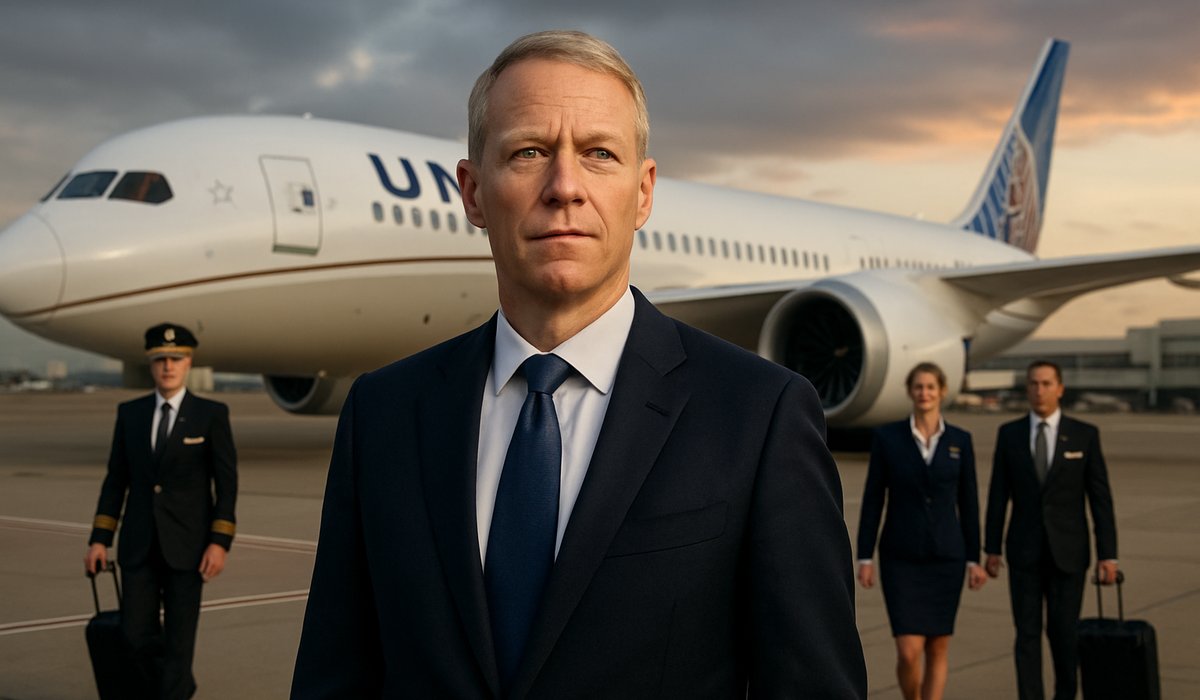
Image generated by AI
United Airlines Abandons Merger Ambitions After American Airlines Rejection, CEO Scott Kirby Says
In sharp reversal, United's leader dismisses consolidation strategy as "idiotic" following failed acquisition overtures
Major Strategic Shift in U.S. Aviation Landscape
Scott Kirby, Chief Executive Officer of United Airlines, has decisively shelved any plans for near-term mergers or acquisitions, marking a dramatic pivot just weeks after publicly championing a potential combination with American Airlines. The announcement, made during remarks at the Bernstein investor conference, signals a significant recalibration in United's corporate strategy and underscores deepening challenges in aviation sector consolidation.
According to reporting by Reuters, Kirby acknowledged that American Airlines represented the only viable merger candidate from a strategic standpoint—yet emphasized that the carrier had rejected overtures from United, leaving the company without a willing partner to pursue a deal. The CEO's blunt characterization of further consolidation efforts as "idiotic" without a willing counterparty reveals the fraught dynamics currently shaping the airline industry's competitive landscape.
Context of Failed Negotiations
The reversal comes amid ongoing industry pressures, including volatile jet fuel prices and persistent baggage charge competition that have constrained airline profitability despite record passenger volumes. The U.S. aviation sector has undergone substantial consolidation over the past two decades, reducing the number of major carriers—a trend that has simultaneously intensified regulatory scrutiny around proposed mergers on antitrust grounds.
Kirby's earlier suggestion that a United-American combination could generate synergies ran counter to prevailing regulatory sentiment. The Department of Justice and Federal Trade Commission have grown increasingly protective of maintaining competitive choice in the airline industry, particularly following sustained passenger complaints about rising travel costs and service fees.
Implications for Industry Structure
The failed merger pursuit highlights the constraints facing major carriers as they attempt to achieve growth through combination rather than organic expansion. United, American, Delta Air Lines, and Southwest Airlines dominate U.S. domestic aviation, limiting realistic consolidation opportunities without triggering intense antitrust opposition.
Instead, carriers are expected to compete on route expansion, fleet modernization, and ancillary revenue streams—including baggage fees, seat selections, and premium cabin offerings—to enhance financial performance and shareholder returns.
Kirby's departure from merger discussions suggests United will pursue alternative strategies to enhance competitive positioning, though specific initiatives remain undisclosed.
Frequently Asked Questions
Q: Why did United Airlines abandon plans to merge with American Airlines? A: American Airlines rejected United's overtures. CEO Kirby stated that pursuing a merger without a willing partner would be "idiotic," effectively ending near-term consolidation efforts.
Q: What impact will this have on airline ticket prices and baggage fees? A: Without consolidation, carriers will likely compete through ancillary revenue strategies, including baggage charges and premium seat fees, rather than achieving cost synergies through merger-based restructuring.
Q: Are there other potential airline mergers in the U.S. aviation industry? A: Large-scale mergers among major carriers face significant antitrust barriers. The industry has consolidated substantially over two decades, with limited realistic consolidation opportunities remaining.
Q: How do jet fuel prices influence airline merger strategy? A: Volatile fuel costs incentivize carriers to seek operational efficiencies through consolidation; however, regulatory pressures often outweigh financial benefits, as demonstrated by the failed United-American discussions.
Q: What will United Airlines do instead of pursuing mergers? A: United is expected to focus on organic growth strategies, fleet optimization, and expanded ancillary revenue generation through baggage fees and premium service offerings.
Related Travel Guides
- Minneapolis St. Paul Airport Chaos: 126 Flight Delays and 19 Cancellations Strand Travelers to France, South Korea, Mexico, and Caribbean
- Fort Lauderdale Travel Chaos: Southwest, American, and JetBlue Spark Massive Airport Disruptions and Flight Cancellations in Breaking Aviation Update
- Delta Air Lines Flight Attendant Retirement: Joan Prince Crandall's 66-Year Legacy
Disclaimer
This article is for informational and educational purposes only. It does not constitute legal, financial, or professional advice. While we strive to provide accurate and up-to-date information, travel policies, regulations, and conditions change rapidly. Always verify information with official sources before making travel decisions. Nomad Lawyer makes no representations about the accuracy, reliability, completeness, or suitability of the information provided. Readers should consult qualified professionals for advice specific to their circumstances. The views expressed in this article are those of the author and do not necessarily reflect the views of Nomad Lawyer.
Preeti Gunjan
Contributor & Community Manager
A passionate traveller and community builder. Preeti helps grow the Nomad Lawyer community, fostering engagement and bringing the reader experience to life.
Learn more about our team →