
Delta Air Lines Flight Attendant Retirement: Joan Prince Crandall's 66-Year Legacy
Delta Air Lines honors Joan Prince Crandall's extraordinary 66-year career as she retires in 2026. The Seattle-based flight attendant witnessed aviation's complete transformation from DC-3 to Airbus aircraft.

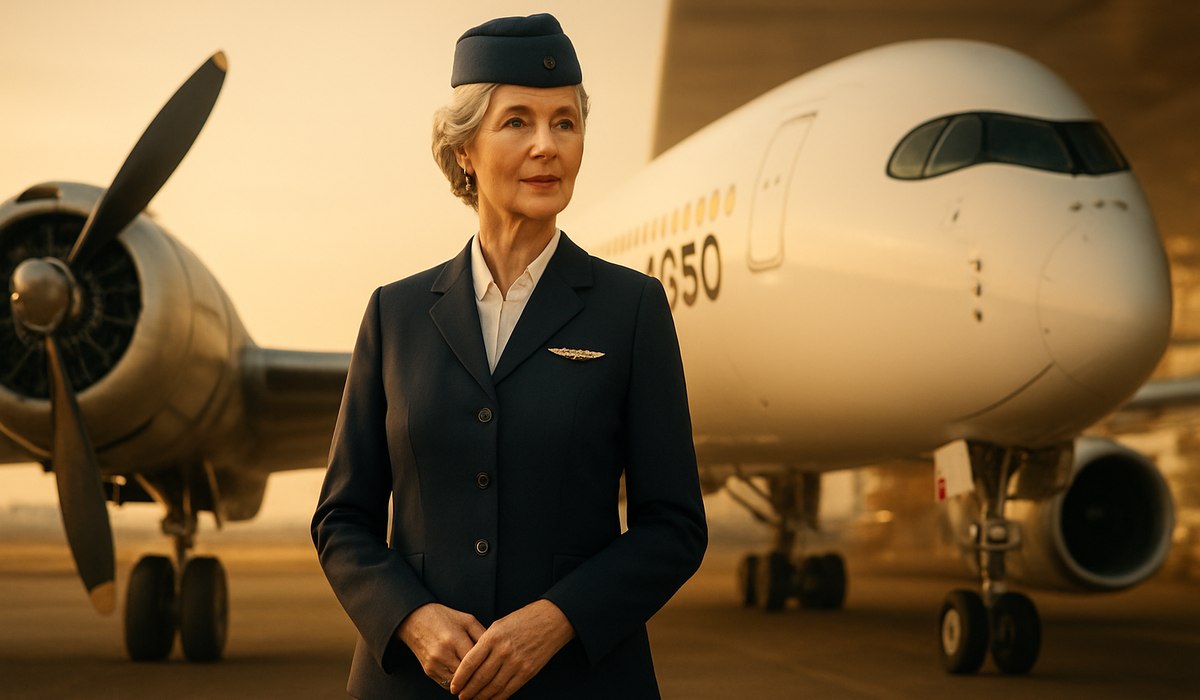
Image generated by AI
Delta's Most Senior Flight Attendant Retires After Historic 66-Year Career
Joan Prince Crandall, Delta Air Lines' most senior cabin crew member, is retiring after an unprecedented 66-year career spanning commercial aviation's most transformative era. Based in Seattle, Crandall began her journey as a flight attendant in 1959 and will conclude her service in 2026, having witnessed the industry evolve from propeller-driven aircraft to cutting-edge jet technology. Her retirement marks a significant milestone recognized during International Flight Attendant Day, celebrated on May 31st annually across the aviation sector.
Crandall's tenure at Delta Air Lines represents one of the longest continuous careers in commercial aviation history. Throughout her decades of service, she has served millions of passengers while adapting to revolutionary changes in aircraft design, safety protocols, cabin comfort standards, and international travel regulations. Her retirement is being honored by Delta as a testament to dedication, professionalism, and the essential role cabin crew members play in modern aviation.
A Career Spanning Aviation's Greatest Transformations
Joan Prince Crandall's 66-year delta air lines flight attendant career encompasses the complete modernization of commercial aviation. She began her work during the Douglas DC-3 era, when long-haul flights required multiple stops and took considerably longer than contemporary transatlantic journeys. Throughout the 1960s, 1970s, and 1980s, Crandall witnessed the introduction of jet aircraft including Boeing 707s, 727s, and 747s that revolutionized passenger travel.
The evolution continued through her later decades of service as Delta Air Lines modernized its fleet with aircraft like the Boeing 777, Airbus A330, and newer generation planes. Crandall adapted to computerized cabin systems, enhanced safety equipment, and evolving international protocols that transformed how cabin crew deliver service. Her ability to embrace continuous change while maintaining passenger safety standards exemplifies the professional standards expected throughout the aviation industry today.
Learn more about aviation career development and standards through the Federal Aviation Administration's comprehensive resources on commercial pilot and crew certification requirements.
From Douglas DC-3 to Airbus A350: The Evolution Witnessed
The technological progression Joan Prince Crandall experienced as a flight attendant represents the complete history of modern commercial aviation. When she began her career in 1959, passengers flew in relatively small, unpressurized cabin environments where turbulence created challenging working conditions. The Douglas DC-3 and similar aircraft of that era required flight attendants to manage minimal amenities compared to contemporary standards.
By the 1980s and 1990s, Crandall served aboard wide-body aircraft featuring pressurized cabins, multi-deck configurations on Boeing 747s, and gradually improved passenger comfort systems. The 2000s introduced her to modern avionics, enhanced safety protocols, and digital passenger service systems. In her final years before retirement, Crandall worked aboard newer aircraft including the Airbus A350, representing the pinnacle of fuel efficiency, passenger comfort, and technological integration in commercial aviation.
This progression illustrates why delta air lines flight attendant retirement stories capture industry attention. The transformation Crandall witnessed—from mechanical systems to fully integrated digital environments—required continuous learning and adaptation throughout her entire career span.
Joan Prince Crandall's Legacy at Delta Air Lines
Joan Prince Crandall's contributions to Delta Air Lines extend far beyond passenger service hours. Throughout her 66-year tenure, she mentored countless flight attendants, established professional standards, and contributed to safety protocol development. Her career demonstrates the critical importance of experienced cabin crew in maintaining aviation safety and passenger confidence.
Crandall's legacy at Delta includes her role in implementing and adapting to major safety improvements throughout aviation history. From early oxygen mask protocols to modern emergency evacuation procedures, she participated in the profession's evolution toward enhanced passenger protection. Her experience provided valuable perspective during industry transitions, regulatory changes, and fleet modernizations that defined modern commercial aviation.
The cabin crew profession has benefited significantly from long-term professionals like Crandall who brought stability, expertise, and institutional knowledge to their organizations. Delta Air Lines' recognition of her retirement honors not just her individual achievement but the collective professionalism of flight attendants worldwide.
Explore cabin crew career pathways and industry standards through Aviation Career Resources.
International Flight Attendant Day Recognition
International Flight Attendant Day, observed on May 31st annually, celebrates the contributions of cabin crew professionals worldwide. Joan Prince Crandall's retirement announcement coinciding with this observance highlights the profession's importance to global aviation. The day commemorates the dedication, safety expertise, and service commitment that flight attendants provide daily.
Crandall's 66-year career embodies the values International Flight Attendant Day recognizes—professionalism, safety commitment, and passenger service excellence. Her retirement during this commemorative period brings renewed attention to the evolution of cabin crew roles and responsibilities. Modern flight attendants continue the traditions and safety standards that professionals like Crandall established throughout their careers.
The aviation industry celebrates flight attendants for their essential contributions beyond visible passenger service. These professionals manage emergency situations, maintain safety compliance, and ensure passenger welfare throughout flights. Crandall's career exemplifies how cabin crew professionalism has become increasingly sophisticated and critical to aviation safety standards.
Data Summary: Joan Prince Crandall's Historic Career Timeline
| Metric | Details |
|---|---|
| Career Duration | 66 years (1959–2026) |
| Primary Airline | Delta Air Lines |
| Home Base | Seattle, Washington |
| Aircraft Types Served | Douglas DC-3 through Airbus A350 |
| Career Span | Aviation's complete modern transformation era |
| Recognition | Delta's most senior active flight attendant |
| International Significance | Retired during International Flight Attendant Day (May 31) |
| Industry Impact | Mentored multiple generations of cabin crew professionals |
What This Means for Travelers
Joan Prince Crandall's retirement reflects broader changes occurring throughout Delta Air Lines' cabin crew workforce. As experienced professionals retire, airlines invest in new flight attendant training programs ensuring consistent safety and service standards. Understanding crew experiences helps travelers appreciate the professionalism managing their flights.
Travelers should recognize that experienced cabin crew members like Crandall contribute substantially to aviation safety through their expertise and judgment. When flying with Delta Air Lines or any carrier, passengers benefit from safety protocols and procedures refined over decades by professionals like Crandall. Here are actionable considerations for travelers:
Traveler Action Checklist:
- Review safety briefings during all flights, recognizing that procedures presented by cabin crew reflect decades of aviation safety evolution
- Follow flight attendant instructions promptly, as these professionals manage passenger safety through rigorous protocols
- Appreciate crew experience by acknowledging that flight attendants represent significant professional expertise in aviation operations
- Report safety concerns to cabin crew immediately, supporting their role in maintaining flight security
- Understand that crew transitions at major airlines like Delta continue to prioritize passenger safety through comprehensive training programs
Frequently Asked Questions
How long is a typical airline flight attendant career? Flight attendant careers vary significantly in duration. While many professionals serve 20-30 years, Joan Prince Crandall's 66-year tenure represents an exceptional achievement. Most flight attendants eventually transition to other roles or retire after substantial service periods with their respective airlines.
What qualifications do modern flight attendants require? Contemporary flight attendants must complete Federal Aviation Administration-approved training programs, maintain current certifications, pass security background checks, and demonstrate proficiency in emergency procedures. Airlines like Delta Air Lines implement rigorous training standards exceeding FAA
Disclaimer
This article is for informational and educational purposes only. It does not constitute legal, financial, or professional advice. While we strive to provide accurate and up-to-date information, travel policies, regulations, and conditions change rapidly. Always verify information with official sources before making travel decisions. Nomad Lawyer makes no representations about the accuracy, reliability, completeness, or suitability of the information provided. Readers should consult qualified professionals for advice specific to their circumstances. The views expressed in this article are those of the author and do not necessarily reflect the views of Nomad Lawyer.
Preeti Gunjan
Contributor & Community Manager
A passionate traveller and community builder. Preeti helps grow the Nomad Lawyer community, fostering engagement and bringing the reader experience to life.
Learn more about our team →