
Idaho Little Known Waterfront Gem: Cascade Emerges as 2026 Hidden Escape
Cascade, Idaho, remains one of Idaho's little known waterfront treasures in 2026, offering pristine lake recreation and authentic small-town charm 80 miles north of Boise without crowded tourist infrastructure.

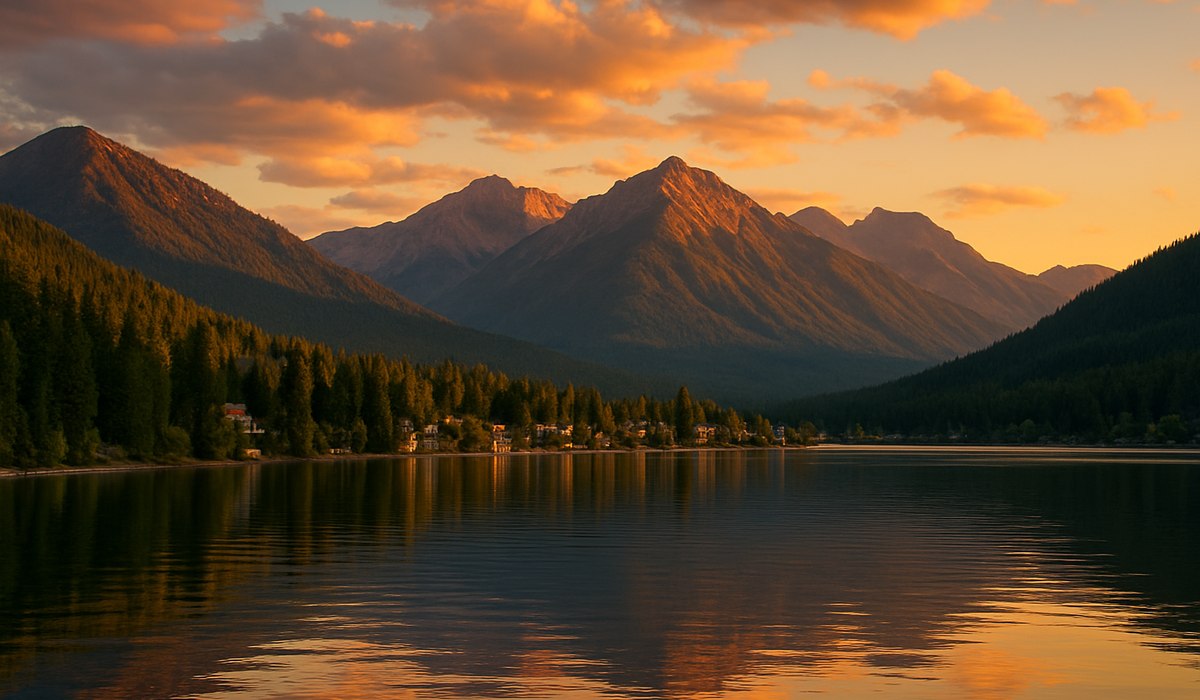
Image generated by AI
Cascade, Idaho Emerges as Idaho's Most Undiscovered Waterfront Treasure
Cascade, Idaho sits 80 miles north of Boise as one of Idaho's little known waterfront destinations, offering outdoor enthusiasts an alternative to crowded lake towns. Unlike famous Idaho waterfront communities such as Coeur d'Alene and McCall, this charming settlement of 1,000 residents combines authentic small-town character with pristine lake access and wilderness proximity. The discovery comes as travelers increasingly seek uncrowded destinations offering genuine local experiences alongside recreation opportunities.
The town's strategic location along State Highway 55 positions it as a gateway to world-class outdoor adventures. Cascade's waterfront appeal centers on Lake Cascade, a 47-square-mile reservoir created in 1948 when the Cascade Dam transformed the Payette River valley. Visitors find 86 miles of shoreline, multiple recreation facilities, and direct access to the Frank Church River of No Return Wilderness—the largest contiguous wilderness area outside Alaska.
Why Cascade Is Idaho's Most Charming Little-Known Waterfront Town
Cascade's charm stems from its authentic frontier heritage combined with genuine community character. Founded officially in 1912, the town evolved from 1860s gold rush freight stations serving Oregon miners. Early settlers shifted focus to agriculture and logging, while the 1948 dam construction redirected the economy toward outdoor recreation and tourism.
Today's Cascade maintains this balance perfectly. The town remains small enough to preserve its authentic character while offering sufficient infrastructure for comfortable visits. Local establishments like the historic Roxy Theater showcase period architecture, while family-owned restaurants including Palooza Basecamp and Gramma's Homestead Restaurant serve community-focused dining. Unlike overcrowded Idaho waterfront destinations, Cascade welcomes visitors without the commercialization that erodes authenticity.
The surrounding Payette River Mountains create natural boundaries that limit development sprawl. This geographic constraint has actually preserved what makes Cascade special—authentic small-town culture remains visible in local interactions, community events, and the unhurried pace of daily life. Residents consistently report that tourism has enhanced rather than dominated their community identity.
Learn more about authentic small-town Idaho experiences on Travel Idaho's official website.
Strategic Location: Gateway to Wilderness and Adventure
Cascade's positioning within Idaho's geography unlocks exceptional outdoor access. Situated along State Highway 55 between Boise and McCall, the town serves as a logical base camp for exploring multiple ecosystems and recreation zones. The proximity to the Boise National Forest places serious wilderness adventures within 30 minutes of town amenities.
The Frank Church River of No Return Wilderness borders Cascade's eastern edge, offering backpacking routes ranging from day hikes to multi-week expeditions. This designation as America's largest roadless wilderness area outside Alaska attracts serious trekkers seeking genuine solitude. The Payette River corridor provides additional adventure access through whitewater opportunities ranging from beginner-friendly floats to advanced rapids.
This Idaho little known town's advantage becomes apparent when comparing travel logistics. Boise International Airport (BOI) sits 80 miles south, providing direct flights from major West Coast and regional hubs. Unlike more famous Idaho waterfront destinations requiring longer drives from metropolitan areas, Cascade offers quick access to genuine wilderness paired with comfortable town infrastructure. Summer and shoulder seasons provide optimal conditions for combining lake recreation with mountain exploration.
Discover wilderness recreation options through AllTrails' comprehensive Idaho hiking database.
What To See and Do in Cascade, Idaho
Lake Cascade State Park functions as the primary recreation hub, offering activities suitable for all seasons and skill levels. The 27,000-acre lake supports fishing, kayaking, boating, windsurfing, and sailing throughout summer months. The park's 86-mile shoreline encompasses primitive and full-service campgrounds, day-use beaches, and scenic viewpoints. Winter transforms the park into ice fishing and winter camping territory, with the facility remaining operational year-round.
Kelly's Whitewater Park along the Payette River provides specialized paddling opportunities. Five in-water features accommodate beginners practicing fundamental skills through advanced paddlers refining techniques. The park welcomes kayaking, rafting, tubing, and stand-up paddleboarding. Onshore amenities include walking trails, volleyball and bocce courts, and horseshoe pits, making it accessible for non-paddlers.
Crown Point Trail represents the region's most popular hiking option, following Lake Cascade's shoreline with easy-to-moderate difficulty and spectacular water views. The broader hiking network includes dozens of established trails suited for various fitness levels. Summer visitors frequently combine hiking with mountain biking on regional trail systems. Fall foliage transforms surrounding forests into vibrant displays, while winter opens snowmobiling and snowshoeing opportunities.
The town center offers local shopping, dining, and cultural experiences. The historic Roxy Theater occasionally hosts performances and community events. Seasonal festivals and farmers' markets provide opportunities for direct community interaction unavailable in larger tourist destinations.
A Brief History: From Gold Rush Freight Station to Modern Retreat
Cascade's historical trajectory reflects broader Idaho development patterns. The 1860s gold rush drew miners from Oregon seeking fortune in Idaho's mountains. Freight stations established along transport routes served this migration, with Cascade's station functioning as a critical supply point. When mining activity declined, early settlers recognized agricultural and timber resources, establishing homesteads throughout the 1880s.
Official incorporation in 1912 formalized Cascade's status as a permanent settlement. The town's economy remained rooted in logging and agriculture through the early 20th century. The 1948 Cascade Dam construction proved transformative, creating the massive reservoir and shifting economic emphasis toward recreation and tourism. This transition preserved the town while modernizing its economic foundation.
The community's relatively small population has maintained historical character while adapting to contemporary needs. Unlike Idaho waterfront towns that experienced explosive growth and commercialization, Cascade's measured development preserved authentic community identity. This careful balance between progress and preservation makes Cascade an Idaho little known town where historical heritage remains visible and tangible.
Best Times To Visit Cascade
Summer (June-August) offers optimal conditions for water recreation and hiking. Warm temperatures, minimal precipitation, and extended daylight enable full utilization of outdoor amenities. Lake Cascade reaches ideal temperatures for swimming and water sports, while trail conditions support mountain biking and backcountry exploration.
Fall (September-October) brings cooler temperatures and dramatic foliage transformation. Fewer tourists visit during shoulder season, creating more serene experiences. This period provides excellent hiking weather and photography opportunities as forests display vibrant color transitions. The reduced crowds enhance the charm factor substantially.
Winter (December-February) transforms Cascade into a quiet retreat suitable for ice fishing, snowmobiling, and winter camping enthusiasts. While snowfall can be heavy, the community maintains essential services. This season appeals primarily to serious winter sport participants rather than casual visitors.
Spring (March-May) presents transitional conditions with unpredictable weather but emerging wildflower displays and flowing rivers. Late spring offers excellent hiking as snowpack diminishes and trails become accessible. This period typically has fewer visitors than summer months.
Key Data Table: Cascade, Idaho Overview
| Metric | Details |
|---|---|
| Location | State Highway 55, 80 miles north of Boise, 30 miles south of McCall |
| Population | Approximately 1,000 residents |
| Founded | 1912 (official incorporation) |
| Lake Cascade Size | 27,000 acres / 47 square miles |
| Shoreline Length | 86 miles |
| Elevation | 4,700 feet |
| Primary Recreation | Fishing, kayaking, boating, hiking, mountain biking, camping |
| **Winter Activities |
Disclaimer
This article is for informational and educational purposes only. It does not constitute legal, financial, or professional advice. While we strive to provide accurate and up-to-date information, travel policies, regulations, and conditions change rapidly. Always verify information with official sources before making travel decisions. Nomad Lawyer makes no representations about the accuracy, reliability, completeness, or suitability of the information provided. Readers should consult qualified professionals for advice specific to their circumstances. The views expressed in this article are those of the author and do not necessarily reflect the views of Nomad Lawyer.
Preeti Gunjan
Contributor & Community Manager
A passionate traveller and community builder. Preeti helps grow the Nomad Lawyer community, fostering engagement and bringing the reader experience to life.
Learn more about our team →