
ICAO, ACI, and IATA to Host 2026 Montréal Symposium on Universal Air Travel Accessibility
Global aviation leaders from ICAO, ACI, and IATA will convene in Montréal on October 14–15, 2026, to standardize inclusive air travel and eliminate accessibility barriers for over 1.3 billion people worldwide.

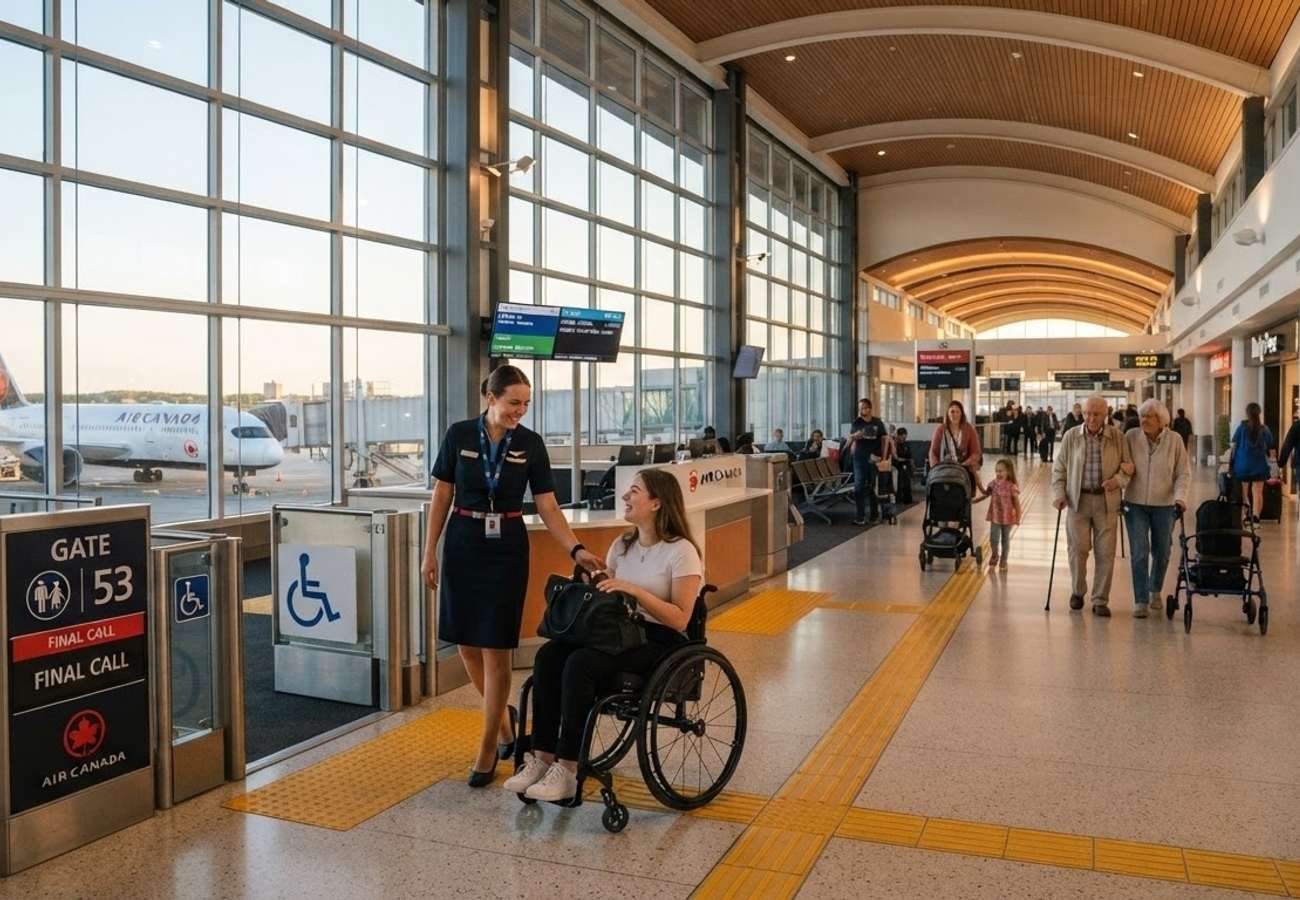
Image generated by AI
The global aviation sector will convene in Montréal on 14–15 October 2026 to transition broad accessibility commitments into standardized, operational realities for passengers worldwide.
The Second Joint ICAO/ACI/IATA Symposium on Accessibility in International Civil Aviation will take place at the ICAO Headquarters. This high-level gathering brings together governments, regulators, airlines, airport operators, and disability advocates to address the fragmentation of accessibility services across international borders.
The event follows the inaugural joint symposium held in December 2024. Under the theme Advancing Global Commitment to Inclusive and Universally Accessible Air Transport for All, the 2026 session shifts focus from identifying barriers to implementing harmonized, end-to-end solutions.
Core Objectives and Scope
Industry analysis indicates that accessibility is no longer viewed as a niche operational requirement but as a strategic priority for aviation facilitation. The symposium aims to align global practices with ICAO Annex 9 (Facilitation) to ensure a seamless journey.
The "end-to-end" approach focuses on the entire passenger chain:
- Digital booking and airport access.
- Check-in, security screening, and border control.
- Terminal navigation and boarding processes.
- In-flight services and the handling of mobility equipment.
- Arrival procedures and onward transit.
Critical Accessibility Data
The urgency of this symposium is driven by demographic data and current systemic failures in the travel chain.
- Global Impact: According to World Health Organization data cited by ACI, over 1.3 billion people—approximately 16% of the global population—live with some form of disability.
- Demographic Shift: Aging global populations are increasing the demand for specialized infrastructure and staff capability.
- Systemic Gap: A primary challenge remains the lack of continuity; a service standard maintained at a departure airport often vanishes at a connecting hub or final destination.
Implementation and Technology Showcase
The 2026 symposium will feature an exhibition focused on practical, scalable accessibility solutions. This platform allows technology providers and consultants to present innovations in inclusive transport design and passenger-assistance equipment.
While ICAO has opened registration and confirmed exhibitor opportunities, the organization has not yet released a final exhibitor directory, country-by-country participant list, or official visitor forecasts.
Strategic Impact Analysis
From a logistical perspective, the real impact of this symposium lies in the move toward "harmonization." For the modern traveler with a disability, the greatest risk is not the lack of equipment, but the inconsistency of regulations between jurisdictions.
Our analysis of the current aviation landscape suggests that when a passenger moves between a highly regulated airport (e.g., in the EU) and one with fewer mandates, the "chain of accessibility" breaks. By integrating these discussions into the official ICAO Accessibility 2026 programme, the industry is attempting to create a universal baseline of service that travels with the passenger, regardless of the carrier or country.
For aviation stakeholders, this means accessibility is moving from a "compliance" checklist to a "customer experience" metric. Failure to standardize these processes results in operational delays and increased liability for airlines and airport operators.
Forward Outlook
The success of the October 2026 meeting will be measured by the translation of dialogue into updated International Standards and Recommended Practices (SARPs). Expect a push for:
- Standardized Staff Training: Unified protocols for assisting passengers with non-visible disabilities.
- Equipment Interoperability: Better global standards for the handling and protection of complex mobility aids.
- Digital Integration: Inclusion of accessibility requirements within the digital travel credentials and pre-clearance systems to reduce friction at border control.
The transition from policy discussion to operational reality will determine if the aviation industry can truly claim to be universal.
Related Travel Guides
Disclaimer
This article is for informational and educational purposes only. It does not constitute legal, financial, or professional advice. While we strive to provide accurate and up-to-date information, travel policies, regulations, and conditions change rapidly. Always verify information with official sources before making travel decisions. Nomad Lawyer makes no representations about the accuracy, reliability, completeness, or suitability of the information provided. Readers should consult qualified professionals for advice specific to their circumstances. The views expressed in this article are those of the author and do not necessarily reflect the views of Nomad Lawyer.
Preeti Gunjan
Contributor & Community Manager
A passionate traveller and community builder. Preeti helps grow the Nomad Lawyer community, fostering engagement and bringing the reader experience to life.
Learn more about our team →