
IATA Warns Soaring Jet Fuel Costs Will Push Airfares Higher Throughout 2026
Jet fuel prices have doubled IATA's 2026 forecasts, surging past $150 per barrel amid Middle East tensions. Global airlines are hiking ticket prices and fees as carriers brace for prolonged elevated costs throughout 2026.

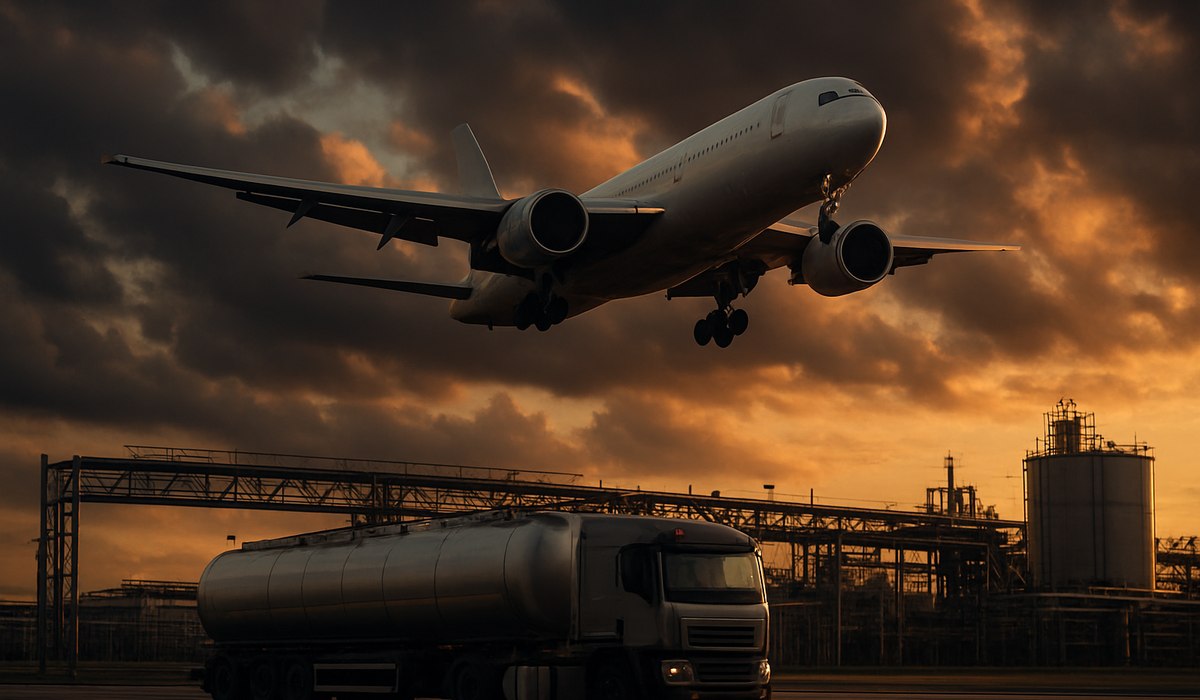
Image generated by AI
Jet Fuel Prices Shatter IATA's 2026 Forecasts
The International Air Transport Association faces an unprecedented energy market shock as jet fuel prices have nearly doubled early-year projections. The global aviation industry entered 2026 expecting jet fuel to average under $90 per barrel, but spot prices now exceed $150 per barrel in multiple regions. This explosive surge represents a fundamental challenge to airline profitability and directly impacts ticket prices worldwide. Regional benchmarks across Europe, North America, and the Middle East have climbed sharply since late February, fundamentally reshaping the financial landscape for carriers globally. The IATA warns soaring fuel costs will persist through peak travel season, forcing operators to revise financial outlooks and adjust pricing strategies immediately.
Geopolitical disruptions have triggered this dramatic shift. Middle East tensions combined with refining hub disruptions have created perfect conditions for energy market volatility. Specialists monitoring aviation and energy markets note that April contracts are resetting significantly higher than first-quarter levels. This represents the fastest fuel price acceleration the industry has experienced in recent years, catching even conservative forecasters off-guard.
Geopolitical Disruptions Drive Energy Market Shock
Conflict-related concerns and supply chain disruptions in critical refining regions have fundamentally altered global energy dynamics. The International Energy Agency and market analysts now view jet fuel volatility as a structural feature of 2026 operations rather than a temporary spike. Middle Eastern airspace dependencies and regional fuel supply constraints amplify price pressures for carriers operating long-haul international routes.
European and Gulf-based airlines report particularly acute exposure to current market turmoil. Many transcontinental routes depend directly on Middle Eastern fuel supplies and airspace access. Industry observers note that fuel now represents the upper end of its historical operating expense range—a dramatic reversal from the cost-controlled environment that supported post-pandemic recovery.
According to recent analyses published by aviation financial specialists, this represents the most significant cost shock airlines have absorbed since the 2008 energy crisis. Carriers face several billion dollars in additional annual expenditure if current pricing persists. IATA's official fuel tracking program provides real-time benchmarks for industry stakeholders monitoring this evolving situation.
Airlines Begin Passing Costs to Consumers
Major US carriers have already implemented visible price increases affecting travelers immediately. Delta Air Lines, United Airlines, and JetBlue have raised checked baggage fees this spring, explicitly citing elevated fuel and operating costs in public announcements. Data from the US Consumer Price Index released in early April confirms that airline fares have risen at triple the pace of overall inflation during the past 12 months.
Year-over-year ticket price increases now reach mid-teens percentages, compared with single-digit growth across the broader consumer economy. United Airlines leadership has publicly warned that further increases may reach 15-20 percent on certain routes if current fuel prices persist. Yield management systems are continuously adjusting inventory allocation, making lower-fare options increasingly scarce on fuel-intensive long-haul flights.
The most visible changes include higher base fares on domestic transcontinental routes and increased ancillary charges. Peak summer season approaches will likely intensify these adjustments as airlines implement sophisticated pricing strategies to protect margins. The U.S. Department of Transportation tracks airline pricing trends and provides consumer guidance for fare monitoring.
What This Means for 2026 Travel Pricing
The IATA warns soaring fuel costs will reshape travel economics throughout 2026. Early booking strategies become increasingly valuable as carriers reduce discount inventory. International routes face proportionally higher increases than domestic flights due to fuel-intensive operations.
Global airlines confront thin margins that cannot fully absorb the shock through internal efficiencies alone. Carriers in Asia and Latin America face particular challenges, as jet fuel is priced in US dollars while revenues derive from local currencies. Regional regulators are authorizing higher fuel surcharges on international tickets to help local operators manage currency exposure.
Travel planners should expect peak-season capacity constraints alongside higher pricing. Airlines are prioritizing premium cabin revenue as economy fares rise faster than business-class pricing. Frequent flyer programs may offer increasingly valuable alternatives to cash bookings as fuel surcharges erode traditional discount structures.
Key Fuel Cost Impact Data
| Metric | Q1 2026 Forecast | Current Reality | Impact |
|---|---|---|---|
| Jet Fuel Price Per Barrel | Under $90 | $150+ | +67% surge |
| IATA Margin Characterization | Insignificant | Threatened | Elimination risk |
| US Airline Fare Increase YoY | Single-digit | Mid-teens | 3x acceleration |
| Potential Route Fare Increase | Base | 15-20% | United warning |
| European Fuel Cost Change | Baseline | +100% since Feb | Doubled |
| Industry Annual Fuel Impact | Billion+ | Several billion | Multiple impact |
What This Means for Travelers (5 Key Takeaways)
-
Book International Flights Immediately — Airlines are systematically reducing low-fare inventory. Delaying booking decisions beyond April 2026 risks substantially higher ticket prices, particularly for premium summer dates on transcontinental and international routes.
-
Expect Higher Base Fares and Baggage Fees — Major carriers have already increased checked bag charges. Budget additional $25-$50 per bag per direction, plus higher base fares on transcontinental flights compared to March 2026 pricing.
-
Consider Alternative Travel Dates — Shoulder season travel (May and September) may offer relatively better pricing than peak July-August weeks. Fuel surcharges apply equally regardless of season, but base fares typically decline outside peak demand periods.
-
Prioritize Frequent Flyer Programs — Award bookings avoid fuel surcharges affecting cash fares. Maximizing frequent flyer utilization in 2026 provides one of the few mechanisms to reduce total travel costs amid industry-wide pricing increases.
-
Monitor Fuel Tracking for Decisions — Energy market developments directly influence airline pricing strategies. Following jet fuel benchmark reports provides leading indicators for upcoming fare adjustments and helps optimize booking timing for upcoming trips.
Frequently Asked Questions
How much will airfares increase due to higher jet fuel costs?
Airlines have warned of potential increases reaching 15-20 percent on certain routes if current fuel prices persist. US carriers have already implemented mid-teens fare increases year-over-year, with further adjustments expected as peak summer season approaches. Regional variations will occur based on route-specific fuel intensity and local market dynamics.
Will jet fuel prices return to normal levels in 2026?
Market analysts characterize current volatility as structural rather than temporary. Middle East tensions and refining disruptions show no near-term resolution signals. The aviation industry now models prolonged elevated fuel pricing through 2026, making lower-cost operations unlikely before late 2026 or beyond.
Which routes face the largest fare increases?
Transcontinental and long-haul international flights face the steepest increases due to fuel-intensive operations. Middle East-dependent routes face particular pressure from supply chain disruptions. Domestic short-haul flights will experience smaller percentage increases, though even regional flights show mid-single-digit price growth.
Should travelers delay vacation plans due to high airfares?
Early 2026 already represents elevated pricing compared to 2025 levels. Delaying booking decisions further risks even higher fares as summer season approaches. Travelers should book immediately if travel dates are flexible, while accepting higher costs as a feature of 2026 travel economics rather than waiting for price decreases unlikely to materialize.
Related Travel Guides
- [2026 Airline Fee Guide: What to Budget for Baggage, Seats, and Surcharges
Disclaimer
This article is for informational and educational purposes only. It does not constitute legal, financial, or professional advice. While we strive to provide accurate and up-to-date information, travel policies, regulations, and conditions change rapidly. Always verify information with official sources before making travel decisions. Nomad Lawyer makes no representations about the accuracy, reliability, completeness, or suitability of the information provided. Readers should consult qualified professionals for advice specific to their circumstances. The views expressed in this article are those of the author and do not necessarily reflect the views of Nomad Lawyer.
Kunal K Choudhary
Co-Founder & Contributor
A passionate traveller and tech enthusiast. Kunal contributes to the vision and growth of Nomad Lawyer, bringing fresh perspectives and driving the community forward.
Learn more about our team →