
Hurricane Polo Impact 2026: Los Cabos and Baja California Sur Assess Tourism Recovery Costs
While major resorts in Los Cabos escaped structural ruin during Hurricane Polo, smaller coastal operators and transport hubs in Baja California Sur face significant revenue losses and infrastructure repairs.

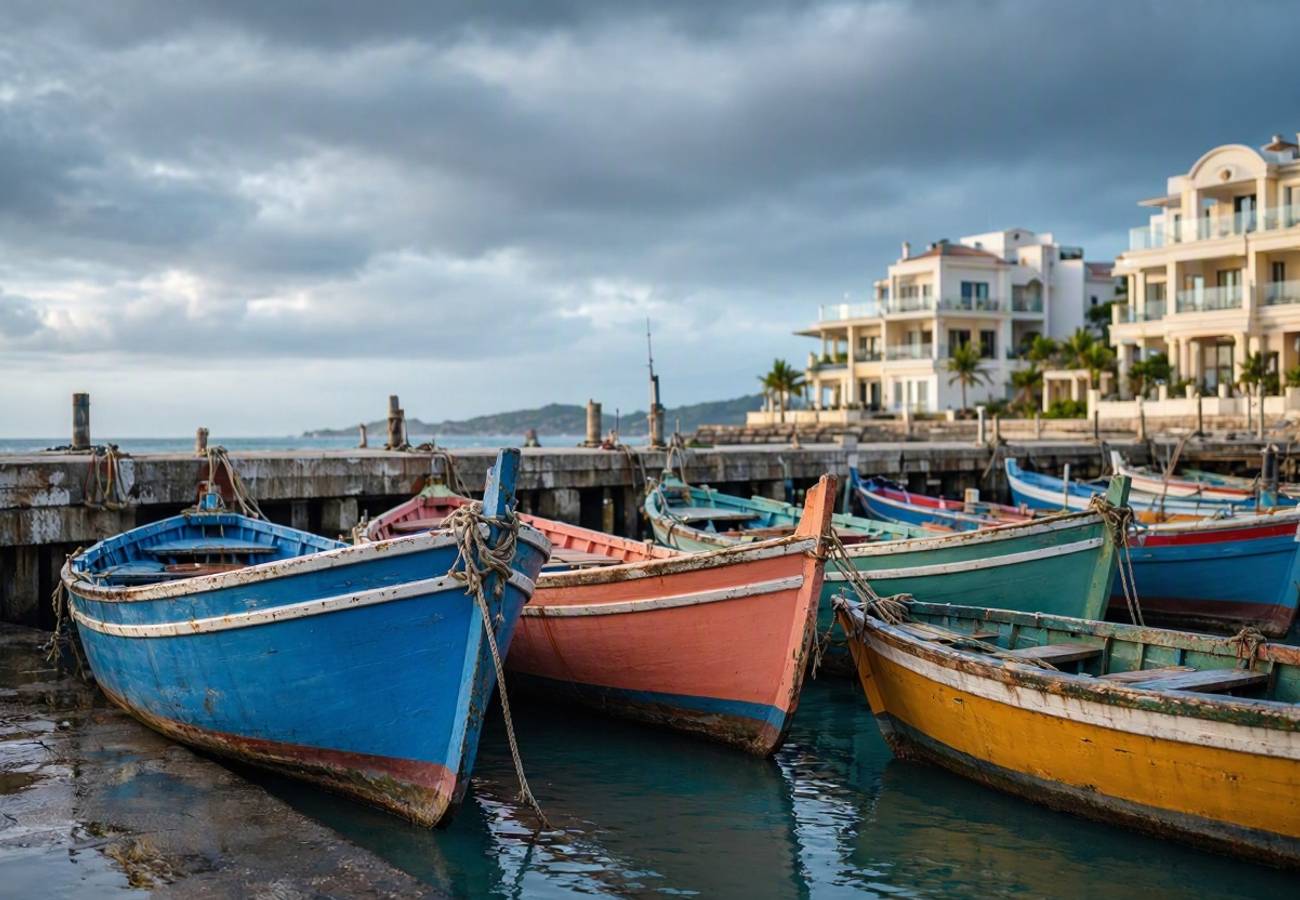
Image generated by AI
Major resorts in Los Cabos remained standing after Hurricane Polo, yet the region's economic engine stalled as port closures wiped out millions in revenue for marine operators. This disparity highlights a critical lesson in destination resilience: a hotel can be fully operational, but if the beaches are closed and the boats are docked, the tourism experience effectively ceases to exist.
The Invisible Toll on Los Cabos
The narrative surrounding Hurricane Polo in Los Cabos is one of deceptive stability. Because the storm's core bypassed the high-density resort corridors, the physical skyline remained intact. However, the operational reality was far more disruptive. Civil protection mandates forced immediate beach closures, and port authorities suspended all marine navigation to protect vessels and passengers from dangerous surf and high winds.
For a destination built on the allure of Land’s End, sport fishing, and luxury yachting, these closures were catastrophic for the "experience economy." While a corporate-owned hotel might absorb a few days of lower occupancy, the independent boat crews, diving instructors, and charter captains saw their primary income streams vanish instantly.
Regional Impact Breakdown: Infrastructure vs. Experience
The damage from Hurricane Polo was not uniform. It created a sharp divide between the insured, high-capital resort zones and the vulnerable, community-based tourism hubs.
Los Cabos Tourism Impact
| Area | Impact Level | Primary Effect |
|---|---|---|
| Major Hotel Infrastructure | Low | Limited structural damage |
| Beaches | High | Temporary closures |
| Marinas and Ports | High | Navigation suspended |
| Yacht & Fishing Charters | High | Cancelled or postponed |
| Marine Tour Operators | High | Disrupted schedules |
| Waterfront Dining | Medium | Reduced footfall |
Baja California Sur Impact Profile
| Tourism Sector | Effect | Vulnerability |
|---|---|---|
| Small Guesthouses | Localised Disruption | Lack of corporate backup funds |
| Fishing Tourism | Temporary Suspension | Dependence on dock integrity |
| Surf Tourism | Unsafe Conditions | Coastal erosion and debris |
| Road Tourism | Interrupted | Flooding of secondary highways |
| Utilities | Localised Outages | Prolonged power failures |
Beyond the Resorts: The Struggle in Comondú and Loreto
Further north in Baja California Sur, the impact shifted from lost revenue to actual physical destruction. In Comondú and surrounding coastal villages, Hurricane Polo made a more direct hit. These areas lack the massive insurance policies and emergency response teams found in Cabo San Lucas. Here, tourism is an organic extension of the community—focused on ecotourism, surfing, and remote fishing.
In these zones, a single washed-out road or a damaged pier doesn't just cause a delay; it severs the only link between the visitor and the provider. For the small-scale operators in Puerto San Carlos, the recovery is not about reopening a lobby, but about rebuilding the entire logistics chain.
Loreto faced a different challenge: the psychology of accessibility. While structural damage was limited, the threat of mudslides and flooding created a ripple effect of cancellations. When flights are delayed and highways become uncertain, travelers often shorten their stays or divert to other destinations, weakening the local economy through lack of confidence rather than lack of infrastructure.
Visitor Insider Tips
If you are planning a trip to the Baja peninsula following a storm event, keep these local nuances in mind:
- Prioritize Direct Flights: During recovery phases, road travel through Baja California Sur can be unpredictable due to mudslides. Use the Official Mexico Tourism Board to check for regional travel advisories.
- Support the "Small" Economy: While big resorts recover quickly, small guesthouses in Comondú and Loreto need the business. Booking directly with local operators helps these communities rebuild faster.
- Verify Marine Status: Do not assume that because a hotel is open, the ocean is accessible. Check with the Secretaría de Marina or your local captain regarding port navigation status.
- Transport Hacks: If traveling between Cabo and Loreto, rent a 4x4 vehicle. Post-storm road debris and localized flooding can make standard sedans impractical on secondary routes.
Cultural and Environmental Context
The aftermath of Hurricane Polo underscores the fragility of Mexico's Pacific tourism model. There is a growing tension between the "resort bubble"—which is designed to withstand extreme weather—and the surrounding community tourism. When a storm hits, the resorts often act as islands of stability, while the local fishing villages that provide the actual "culture" and "adventure" of the region are left to struggle.
Environmental degradation, including coastal erosion and runoff from the mountains into the Gulf of California, continues to threaten the very biodiversity that draws divers and nature lovers to the region. Preservation efforts now focus on creating more resilient coastal infrastructure that protects both the environment and the livelihoods of local operators.
FAQ: Visiting Baja California Sur 2026
Is it safe to visit Los Cabos after Hurricane Polo? Yes. Major resort areas are fully operational. However, always check the current status of marine excursions and beach access, as some localized restrictions may remain in effect.
How do I get to Loreto from Cabo San Lucas? The primary route is via highway, but check for flood-related closures. Flying into Loreto International Airport is the most reliable method during the recovery period.
Do I need special insurance for travel to this region? It is highly recommended to have travel insurance that covers "natural disasters" and "trip interruption," especially when booking excursions in smaller towns like Comondú.
What is the best time to visit to avoid hurricane season? The safest window is typically from December through April, when the weather is stable and the risk of tropical storms is lowest.
The resorts may be open, but the soul of the Baja coast lives in the small piers and dusty roads currently fighting to return.
Related Travel Guides
Disclaimer
This article is for informational and educational purposes only. It does not constitute legal, financial, or professional advice. While we strive to provide accurate and up-to-date information, travel policies, regulations, and conditions change rapidly. Always verify information with official sources before making travel decisions. Nomad Lawyer makes no representations about the accuracy, reliability, completeness, or suitability of the information provided. Readers should consult qualified professionals for advice specific to their circumstances. The views expressed in this article are those of the author and do not necessarily reflect the views of Nomad Lawyer.
Preeti Gunjan
Contributor & Community Manager
A passionate traveller and community builder. Preeti helps grow the Nomad Lawyer community, fostering engagement and bringing the reader experience to life.
Learn more about our team →