
Hundreds stranded days on Newfoundland after BA flight diversion
Hundreds of British Airways passengers spent multiple days stranded on remote Newfoundland in 2026 after a London-Houston flight diverted due to medical emergency, raising questions about airline crisis management.

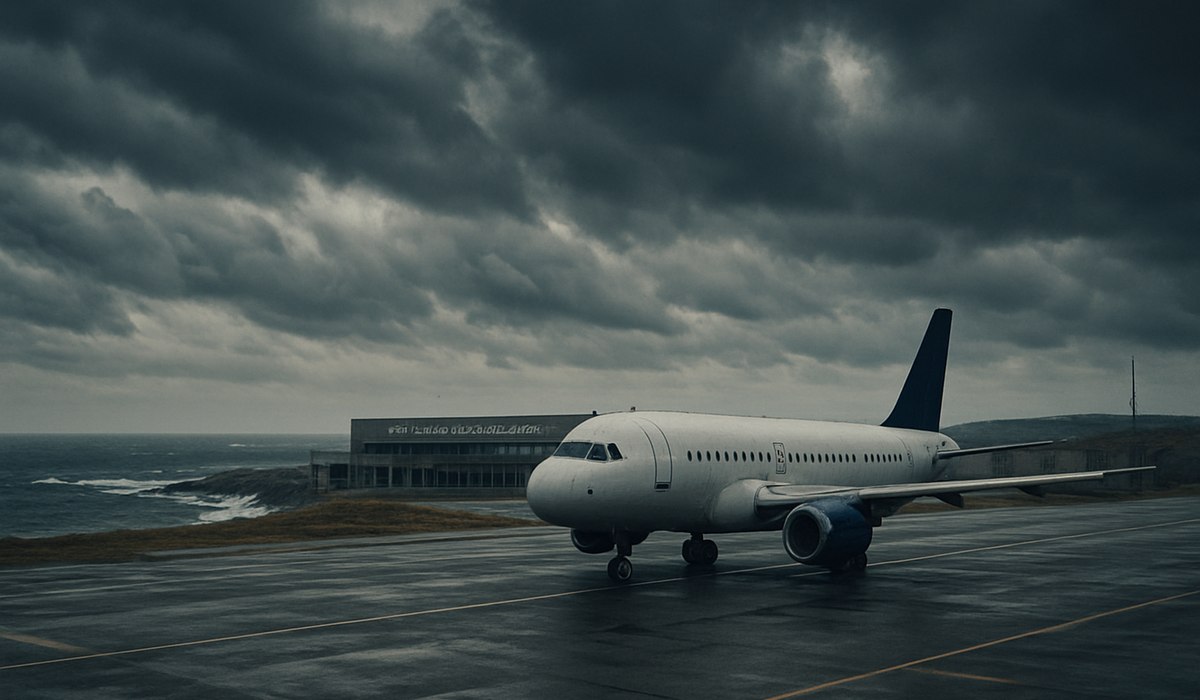
Image generated by AI
Breaking News: British Airways Passengers Face Multi-Day Ordeal on Remote Island
British Airways faced significant operational and reputational challenges in April 2026 when a transatlantic service from London Heathrow to Houston diverted to St. John's International Airport in Newfoundland, Canada, leaving hundreds of passengers stranded for multiple days on the remote Atlantic island. The disruption, triggered by a mid-flight medical emergency, evolved into an extended crisis marked by technical complications, crew duty-time restrictions, and communication breakdowns that drew international scrutiny of the airline's crisis management protocols.
The incident underscores the complex intersection of aviation safety regulations, operational constraints, and passenger welfare when diversions occur at geographically isolated airports. As travel patterns increase globally, understanding how airlines handle unexpected reroutes has become essential for frequent flyers.
Medical Emergency Triggers Diversion to Remote Island
The disruption began when a passenger aboard the London-Houston flight experienced a serious medical event approximately midway through the transatlantic crossing. Following standard aviation safety procedures, the flight crew immediately declared a medical emergency and began diverting to the nearest suitable airport capable of providing immediate ground medical assistance.
St. John's International Airport, located on Canada's far eastern coast more than 2,000 miles from the originally scheduled Houston destination, was selected as the diversion point. The aircraft landed safely, and the affected passenger received immediate medical attention upon touchdown. This initial decision aligned perfectly with established international aviation protocols prioritizing passenger health above all other operational considerations.
However, what began as a routine emergency diversion quickly transformed into an unprecedented operational challenge. Passengers expected a short ground stop—perhaps one to two hours—to allow medical personnel to attend to their fellow traveler before resuming the westbound journey to Texas. That assumption proved dramatically incorrect, as the stranded group would discover within hours.
Technical Issues and Crew Limits Extend Stranding
Once the aircraft was secured on the tarmac in St. John's, the flight crew and ground support personnel confronted two insurmountable barriers to immediate departure. First, technical inspections revealed maintenance concerns requiring attention before the aircraft could safely resume its transatlantic journey. Second, and equally problematic, the flight crew had exceeded or were approaching their maximum federally mandated duty-time limits under international aviation regulations.
These restrictions exist for critical safety reasons: fatigue-impaired pilots represent a genuine hazard to all passengers and crew aboard. The FAA and international aviation authorities enforce strict duty-time regulations to prevent fatigue-related incidents. However, the convergence of both technical delays and crew limitations meant that neither the original aircraft nor the original crew could continue westbound to Houston.
Local weather conditions in Newfoundland exacerbated the situation. Temperatures plummeted to the low 20s Fahrenheit during daytime hours, dropping into the teens overnight. Hundreds of passengers initially dressed for a transatlantic flight in spring clothing found themselves exposed to subfreezing Atlantic conditions with limited immediate shelter beyond the airport terminal and hastily arranged hotel accommodations in St. John's.
Reports indicate that British Airways worked to secure hotel rooms for overnight stays, but the speed and consistency of these arrangements varied significantly. Some passengers described late-night hotel check-ins, inconsistent meal provisions, and repeated overnight returns to airport facilities while awaiting updated departure instructions. The combination of physical discomfort, fatigue, and uncertainty created mounting frustration across the stranded group.
Airline's Handling Under International Scrutiny
As the disruption extended from hours into a full day and then into multiple days, passenger communication became the focal point of criticism. Social media accounts from the stranded group revealed significant gaps in official information flow. Many travelers learned crucial updates—including the decision to return the aircraft to London before attempting a westbound routing—through informal passenger networks rather than direct airline communication.
The decision to route the aircraft back to London Heathrow rather than pursuing alternatives for onward service to Houston added another layer of operational complexity. This routing decision, while operationally rational given technical and crew constraints, meant that hundreds of passengers would need to disembark at London before eventually rebooking to Houston. For those with tight professional commitments, family connections, or prepaid ground arrangements in Texas, this detour represented far more than mere inconvenience.
Several days elapsed before the original group finally reached their intended Houston destination. Industry observers noted that while diversions to Canadian airports like St. John's occur periodically on transatlantic routes, the extended duration of this particular stranding—combined with the isolated geography and harsh weather—represented an unusual operational failure in crisis management.
Travel industry analysts and passenger advocate organizations highlighted that British Airways' response raised important questions about airline responsibility during unplanned extended disruptions. The incident reignited broader discussions about transparency, ground support capacity, and passenger communication protocols when diversions strand travelers at remote locations during peak travel seasons.
What This Means for Travelers: Action Checklist
When hundreds stranded days scenarios occur, passenger knowledge and preparation become critical protective factors. Here's what every traveler should understand:
1. Know Your Rights Under International Law
The U.S. Department of Transportation and European Union regulations establish specific passenger compensation and support requirements during flight disruptions. Visit US DOT's Airline Consumer Protection division to understand compensation eligibility in your situation.
2. Document Everything During Disruptions
Photograph boarding passes, hotel receipts, meal expenses, and keep detailed notes of all communications with airline staff. These records form the foundation for any future compensation claims.
3. Request Real-Time Flight Status Information
Use FlightAware to monitor your actual flight status independently rather than relying solely on airline announcements, which may lag behind technical developments.
4. Understand Crew Duty-Time Regulations
Familiarize yourself with why crew duty limits exist. While frustrating during disruptions, these rules directly protect passenger safety. Check FAA regulations for technical details.
5. Maintain Communication with Airline Customer Service
Designate one group member to serve as primary liaison with airline representatives. This reduces confusion and ensures consistent information flow.
6. Track Weather and Mechanical Factors
Understand that technical delays and weather represent legitimate safety concerns. However, demand transparency about timelines and alternative solutions.
| Incident Factor | Details |
|---|---|
| Airline | British Airways |
| Route | London Heathrow to Houston |
| Diversion Airport | St. John's International (Newfoundland, Canada) |
| Triggering Event | Mid-flight medical emergency |
| Passenger Count | Hundreds (exact number not specified) |
| Duration | Multiple days (3+ days reported) |
| Primary Causes | Technical maintenance issues + crew duty-time limits |
| Weather Conditions | Daytime highs 20°F, nighttime lows in teens |
| Key Issue | Communication gaps and accommodation inconsistencies |
| Airline Response | Hotel accommodations arranged; aircraft returned to London |
What Passengers Can Expect in Similar Situations
Unplanned diversions at remote locations represent one of modern air travel's least predictable scenarios. When hundreds stranded days situations develop, passengers should anticipate extended uncertainty combined with logistical challenges.
Airlines are required to provide meals, accommodation, and communication during extended delays, but the quality and speed of these provisions varies significantly by airline, location, and time of day. Remote airports like St. John's, while critical for safety purposes, lack the commercial infrastructure of major hubs. This means hotel availability may be limited, meal options constrained, and ground transportation sparse.
Passengers should prepare for worst-case scenarios by carrying essential medications, phone chargers, important documents, and comfort items in carry-on luggage. Understanding your specific airline's disruption policies before travel—available on their website—helps set realistic expectations.
Most importantly
Disclaimer
This article is for informational and educational purposes only. It does not constitute legal, financial, or professional advice. While we strive to provide accurate and up-to-date information, travel policies, regulations, and conditions change rapidly. Always verify information with official sources before making travel decisions. Nomad Lawyer makes no representations about the accuracy, reliability, completeness, or suitability of the information provided. Readers should consult qualified professionals for advice specific to their circumstances. The views expressed in this article are those of the author and do not necessarily reflect the views of Nomad Lawyer.
Raushan Kumar
Founder & Lead Developer
Full-stack developer with 11+ years of experience and a passionate traveller. Raushan built Nomad Lawyer from the ground up with a vision to create the best travel and law experience on the web.
Learn more about our team →