
WestJet Under Fire: Allegations of Systematic Aircraft Swaps to Dodge Passenger Compensation
Breaking airline news and aviation industry updates for 2026.

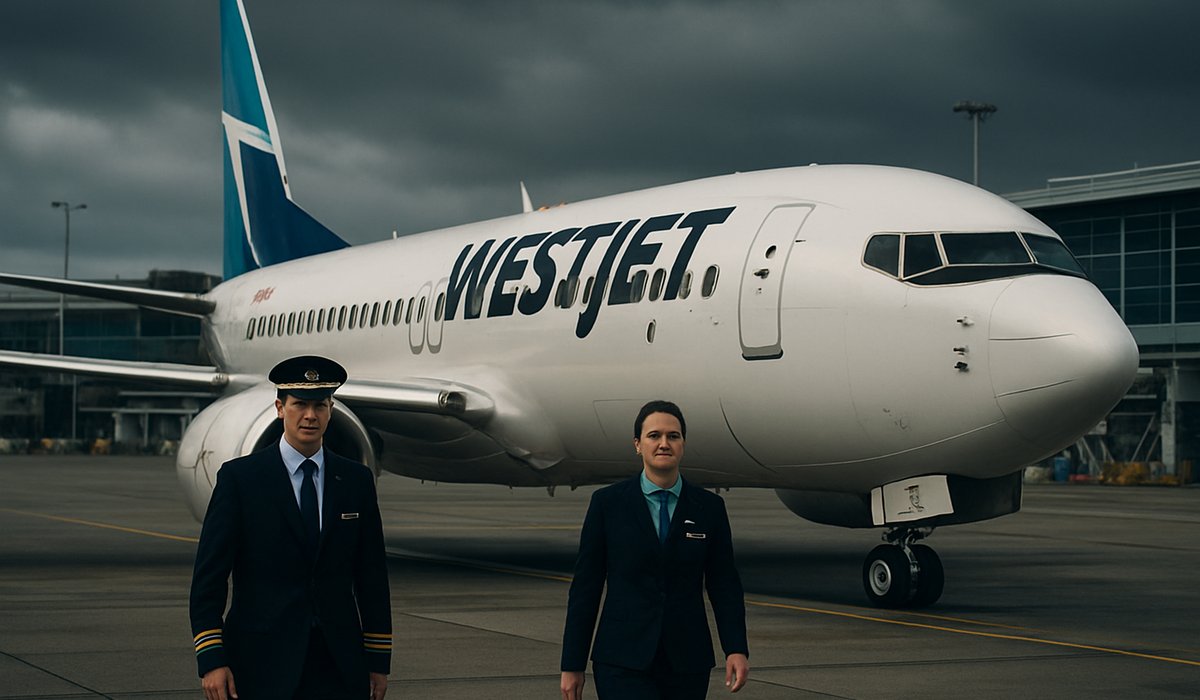
Image generated by AI
WestJet Under Fire: Allegations of Systematic Aircraft Swaps to Dodge Passenger Compensation
Canadian airline faces scrutiny over cancellation practices that may circumvent regulatory requirements for customer payouts
WestJet is facing serious allegations that it has engaged in a deliberate operational strategy to minimize compensation obligations to passengers, according to emerging reports from Canadian aviation regulators and consumer advocacy groups. The practice involves intentionally reassigning aircraft between scheduled routes, then canceling the substitute flight under the guise of mechanical failures—a move that could potentially exempt the carrier from mandatory passenger compensation requirements.
The Alleged Bait-and-Switch Tactic
The controversy centers on what critics describe as a calculated operational maneuver. Rather than canceling its originally scheduled aircraft for a given route, WestJet allegedly substitutes a different aircraft known to have maintenance issues. When that substitute plane is subsequently grounded for repairs, the flight is canceled—allowing the airline to claim the disruption was caused by unforeseen mechanical problems rather than deliberate scheduling decisions.
Meanwhile, the aircraft originally assigned to the flight operates an alternate service, leaving no obvious connection to the original cancellation. This operational shell game potentially creates regulatory ambiguity about whether the airline bears responsibility for compensation under Canadian Aviation Regulation (CAR) provisions, which require carriers to compensate passengers for cancellations within their control.
Regulatory and Consumer Impact
Consumer protection advocates argue this practice exploits a loophole in how airlines classify flight disruptions. Under current regulations, passengers are entitled to compensation ranging from $400 to $2,400 depending on flight distance when airlines cancel services they could reasonably prevent. However, cancellations attributed to mechanical failures can sometimes be classified as extraordinary circumstances beyond an airline's control—potentially exempting carriers from compensation obligations.
"This appears to be a systematic circumvention of passenger protection rules," said representatives from Canadian passenger rights organizations, who have filed formal complaints with transport authorities investigating WestJet's operational procedures.
Industry Context
The allegations emerge as major North American carriers face mounting pressure to balance operational efficiency with passenger protection regulations. Jet fuel prices, labor constraints, and aging aircraft fleets have complicated airline scheduling across the industry, yet regulatory bodies remain vigilant about distinguishing genuine mechanical emergencies from deliberate operational choices designed to evade financial liability.
WestJet has not issued a formal public response to the specific allegations, though the carrier has previously maintained that all operational decisions prioritize passenger safety and regulatory compliance.
The investigation signals heightened scrutiny of airline practices during a period when travel demand remains robust, yet operational disruptions continue affecting millions of Canadian passengers annually.
FAQ: WestJet Cancellations and Passenger Compensation
What are airline baggage fees and how do they relate to overall travel costs? Baggage charges represent a significant revenue stream for carriers like WestJet, typically ranging from $30-$50 per bag. When combined with potential compensation avoidance strategies, these fees substantially increase passenger expenses.
How do jet fuel prices influence airline fee structures? Elevated jet fuel prices create pressure on airline margins, potentially incentivizing cost-cutting measures and fee maximization. Higher fuel costs can indirectly influence how airlines manage cancellations and compensation claims.
What compensation are passengers entitled to for airline flight cancellations in Canada? Canadian regulations mandate compensation of $400-$2,400 depending on flight distance and circumstances, unless the cancellation qualifies as an extraordinary circumstance beyond airline control.
How can passengers challenge denied compensation claims? Travelers can file formal complaints with the Canadian Transportation Agency (CTA) and pursue disputes through consumer protection channels when compensation is wrongfully denied.
What defines "mechanical issues" versus controllable cancellations for compensation purposes? This distinction determines liability—genuine unforeseen mechanical failures may exempt airlines from compensation, while operational decisions made by the airline do not, making the WestJet allegations particularly significant.
Related Travel Guides
Flight Delay Compensation Guide 2026
Understanding Airline Route Changes
Airport Security Process Updated (2026)
External Resources
Disclaimer
This article is for informational and educational purposes only. It does not constitute legal, financial, or professional advice. While we strive to provide accurate and up-to-date information, travel policies, regulations, and conditions change rapidly. Always verify information with official sources before making travel decisions. Nomad Lawyer makes no representations about the accuracy, reliability, completeness, or suitability of the information provided. Readers should consult qualified professionals for advice specific to their circumstances. The views expressed in this article are those of the author and do not necessarily reflect the views of Nomad Lawyer.
Kunal K Choudhary
Co-Founder & Contributor
A passionate traveller and tech enthusiast. Kunal contributes to the vision and growth of Nomad Lawyer, bringing fresh perspectives and driving the community forward.
Learn more about our team →