
Business Class Upgrades on Long-Haul Flights: What Passengers Actually Pay to Cross the Oceans
Breaking airline news and aviation industry updates for 2026.

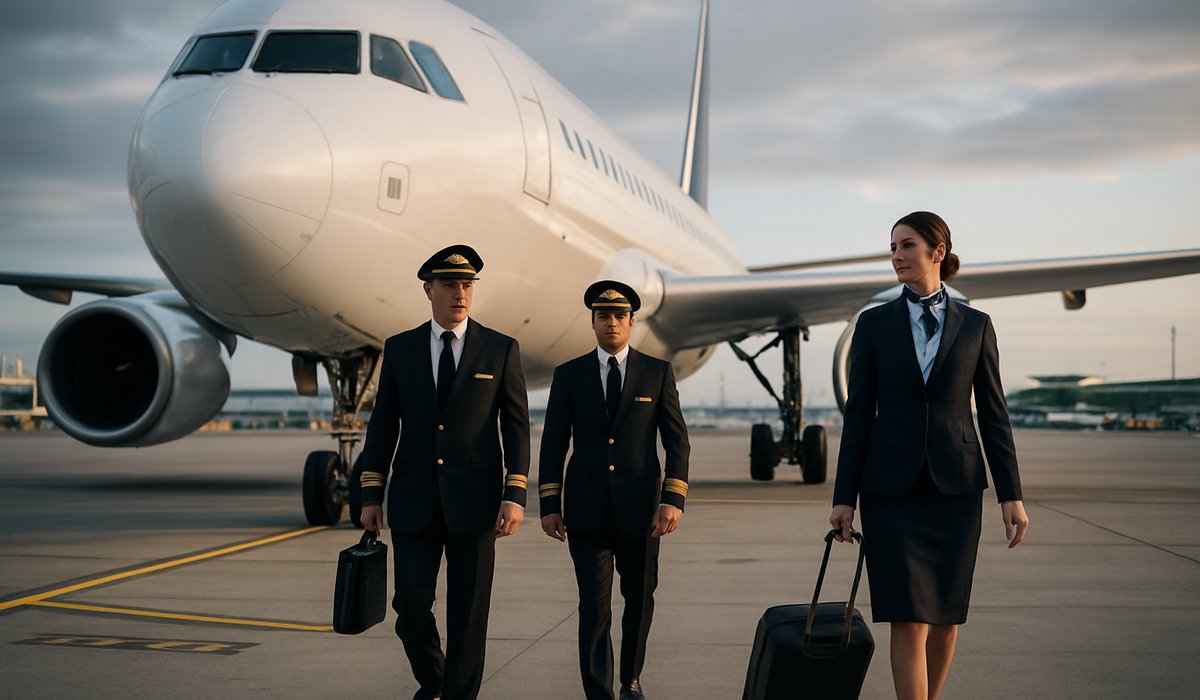
Image generated by AI
Business Class Upgrades on Long-Haul Flights: What Passengers Actually Pay to Cross the Oceans
Airlines leverage premium cabin demand to offset operating costs as transoceanic travel becomes increasingly stratified
The Premium Cabin Hierarchy Takes Shape Across International Routes
As carriers navigate volatile jet fuel prices and evolving passenger expectations, the business class cabin has emerged as the dominant luxury offering on transoceanic routes—a strategic positioning that reflects both market realities and changing airline economics. With true international first-class products largely abandoned by major carriers, business class now represents the zenith of premium travel for most passengers crossing the Atlantic or Pacific.
The architecture of modern long-haul aircraft reflects this commercial reality. Alongside sprawling economy sections, airlines have engineered sophisticated middle-tier cabins positioned between premium economy and business class, creating a tiered pricing structure that maximizes revenue per available seat. This segmentation strategy enables carriers to capture premium fares from affluent leisure travelers and expense-conscious business travelers alike—a demographic segment representing outsized revenue contribution to airline bottom lines.
Investment in Luxury Drives Differentiation Strategy
Airlines have committed billions toward business class enhancements, recognizing that transoceanic passengers justify premium pricing through extended flight duration and the psychological comfort premium associated with overnight flights. Direct-aisle access seating, lie-flat beds, enhanced meal services, and luxury amenity kits have become baseline expectations rather than differentiators, forcing carriers into an ongoing upgrade cycle.
The rationale is straightforward: a 14-hour journey across the Atlantic or an even longer Pacific crossing creates acute demand for superior comfort levels. Business class cabins, typically accommodating 40 to 80 passengers compared to economy's 250 to 300, generate disproportionate revenue while simultaneously reducing per-passenger operating costs through higher load factors and premium pricing power.
Market Positioning Reflects Industry-Wide Restructuring
The near-extinction of international first class underscores shifting industry priorities. Most carriers determined that maintaining ultra-premium cabins with single-digit passenger counts proved economically inefficient compared to expanding business class capacity. This consolidation has effectively narrowed the premium spectrum while concentrating luxury investment in the business cabin segment.
For travelers evaluating upgrade options on transoceanic services, business class now represents the realistic apex of available comfort—a positioning that airlines have deliberately engineered through product development and capacity allocation. As fuel surcharges and operational costs continue pressuring margins, carriers depend increasingly on premium cabin revenue to sustain profitability on long-distance international routes.
FAQ: Business Class Upgrades and Premium Long-Haul Travel
What's the typical price difference between economy and business class on transatlantic flights? Business class premiums vary considerably but typically range from $3,000 to $8,000 above economy fares depending on routing, seasonality, and advance purchase timing.
Why have most airlines discontinued true first-class cabins? First-class cabins generated insufficient revenue relative to operational costs. Airlines found business class expansion more profitable, allowing greater passenger volume in premium seating with comparable per-seat yield.
How do baggage fees and ancillary charges apply to business class tickets? Most business class fares include generous baggage allowances, priority services, and lounge access, partially offsetting the premium ticket price through bundled benefits.
Which airlines offer the most competitive business class pricing on long-haul routes? Pricing varies by carrier and route, but Middle Eastern, Asian, and European legacy carriers frequently offer aggressive business class rates on transoceanic services.
Does booking upgrades at the airport cost more than pre-purchase? Yes—airport upgrade pricing typically exceeds advance purchase rates, though availability and specific pricing depend on flight load factors and airline policies.
Related Travel Guides
Disclaimer
This article is for informational and educational purposes only. It does not constitute legal, financial, or professional advice. While we strive to provide accurate and up-to-date information, travel policies, regulations, and conditions change rapidly. Always verify information with official sources before making travel decisions. Nomad Lawyer makes no representations about the accuracy, reliability, completeness, or suitability of the information provided. Readers should consult qualified professionals for advice specific to their circumstances. The views expressed in this article are those of the author and do not necessarily reflect the views of Nomad Lawyer.
Preeti Gunjan
Contributor & Community Manager
A passionate traveller and community builder. Preeti helps grow the Nomad Lawyer community, fostering engagement and bringing the reader experience to life.
Learn more about our team →