
Airbus A350-1000 Pricing Reaches $366 Million as Airlines Navigate Complex Fleet Economics in 2026
Breaking airline news and aviation industry updates for 2026.

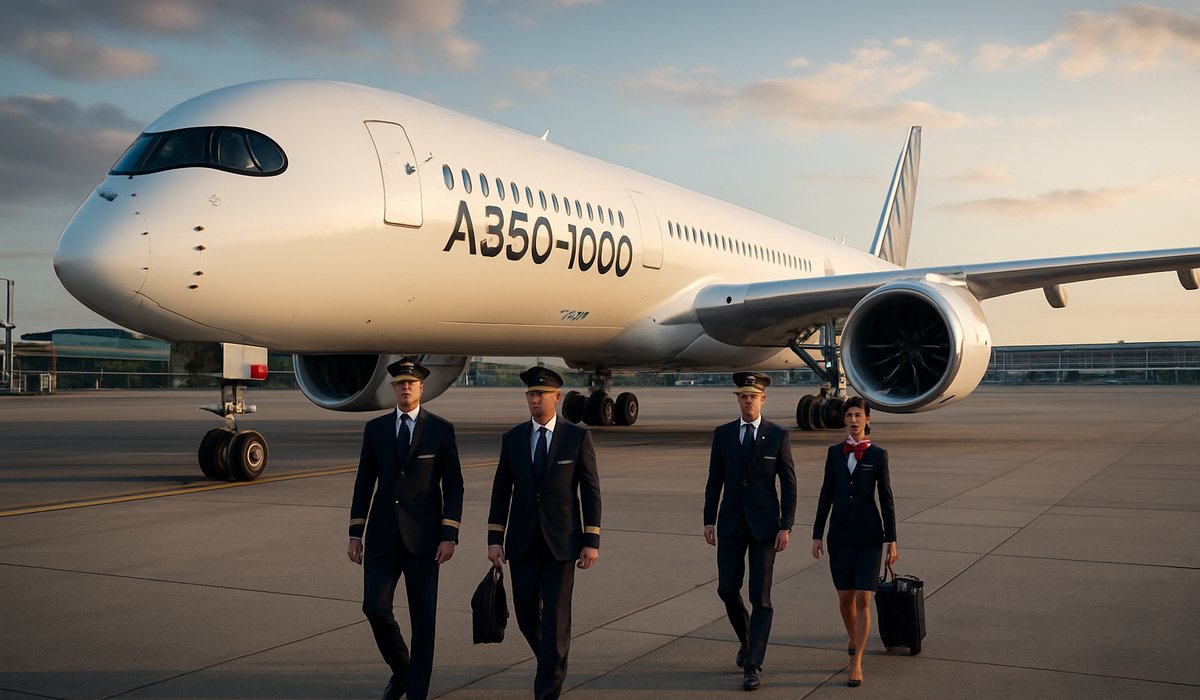
Image generated by AI
Airbus A350-1000 Pricing Reaches $366 Million as Airlines Navigate Complex Fleet Economics in 2026
Steep list prices mask aggressive negotiation tactics and leasing alternatives reshaping global aviation procurement strategies
The Headline Price Tag: What Airbus Is Actually Asking
The Airbus A350-1000 carries a staggering list price of $366 million (€340 million) as of 2026, positioning it among the most expensive wide-body aircraft in commercial aviation. However, this eye-watering figure tells only half the story of what airlines truly pay for one of the industry's most advanced long-haul jets.
According to manufacturer guidance and fleet pricing data reviewed by aviation analysts, the actual transaction prices diverge dramatically from the published list. Most carriers negotiate discounts that slice the acquisition cost nearly in half, with genuine purchase agreements frequently settling in the $200 million (€185 million) range—a 45% reduction from the official asking price.
The Reality Behind the Numbers: Negotiation Trumps List Price
Industry sources reveal that aircraft pricing has become a complex negotiation arena where order volume, maintenance contracts, and financing arrangements heavily influence final costs. Airlines purchasing multiple aircraft simultaneously or committing to extended service packages with Airbus secure substantially better terms than single-unit buyers.
The prevalence of aircraft leasing has further compressed effective costs, allowing carriers to avoid massive capital expenditures entirely. For many operators—particularly smaller international airlines and low-cost carriers—leasing arrangements provide operational flexibility that outweighs ownership advantages, even when spread across the aircraft's 25-30 year service life.
Strategic Implications for Fleet Planning and Route Economics
These pricing dynamics carry profound implications for global aviation operations. Airlines' aircraft acquisition strategies directly determine their capacity to launch new routes, retire aging fleets, and maintain competitive fuel efficiency. The A350-1000's $200+ million real-world cost fundamentally shapes route planning and profitability calculations for carriers worldwide.
The aircraft's advanced fuel-saving technology and extended range make it attractive for ultra-long-haul operations, but only when acquisition costs align with revenue projections. Carriers must carefully weigh the premium they pay for cutting-edge efficiency against older wide-body alternatives available at significantly lower prices on secondary markets.
Airbus's flexible pricing approach reflects intense competition with Boeing's 777X program and the continued viability of used aircraft. As inflation, jet fuel price volatility, and geopolitical disruptions continue reshaping aviation economics, manufacturers maintain aggressive negotiating positions to secure order backlogs and maintain production stability.
FAQ: A350-1000 Pricing and Aircraft Acquisition
What is the list price of an Airbus A350-1000 in 2026? The manufacturer's official list price stands at $366 million (€340 million), though actual negotiated prices typically range from $200-250 million depending on order size and service agreements.
Do airlines actually pay the full list price for wide-body jets? Rarely. Most carriers negotiate 40-50% discounts from published list prices, particularly when ordering multiple aircraft or committing to long-term maintenance contracts with the manufacturer.
Why is aircraft pricing so negotiable? Manufacturers prioritize order volume and production stability over maximum per-unit revenue. Large orders, multi-year commitments, and spare parts agreements create leverage for substantial discounts.
Should airlines buy or lease the A350-1000? This depends on operational requirements, financing costs, and residual value expectations. Leasing provides flexibility and avoids capital-intensive purchases, while ownership maximizes long-term cost benefits for carriers planning 20+ year deployments.
How do A350-1000 costs affect airline ticket prices? Aircraft acquisition costs are amortized across thousands of flights over decades. While significant, they represent only one variable in complex pricing models influenced by fuel costs, labor, capacity utilization, and competitive pressure.
Related Travel Guides
Flight Delay Compensation Guide 2026
Understanding Airline Route Changes
Airport Security Process Updated (2026)
External Resources
Disclaimer
This article is for informational and educational purposes only. It does not constitute legal, financial, or professional advice. While we strive to provide accurate and up-to-date information, travel policies, regulations, and conditions change rapidly. Always verify information with official sources before making travel decisions. Nomad Lawyer makes no representations about the accuracy, reliability, completeness, or suitability of the information provided. Readers should consult qualified professionals for advice specific to their circumstances. The views expressed in this article are those of the author and do not necessarily reflect the views of Nomad Lawyer.
Raushan Kumar
Founder & Lead Developer
Full-stack developer with 11+ years of experience and a passionate traveller. Raushan built Nomad Lawyer from the ground up with a vision to create the best travel and law experience on the web.
Learn more about our team →