
US Military Aviation Pay Gap Widens: Army Warrant Officers Earn Significantly Less Than Air Force Pilots in 2026
Breaking airline news and aviation industry updates for 2026.

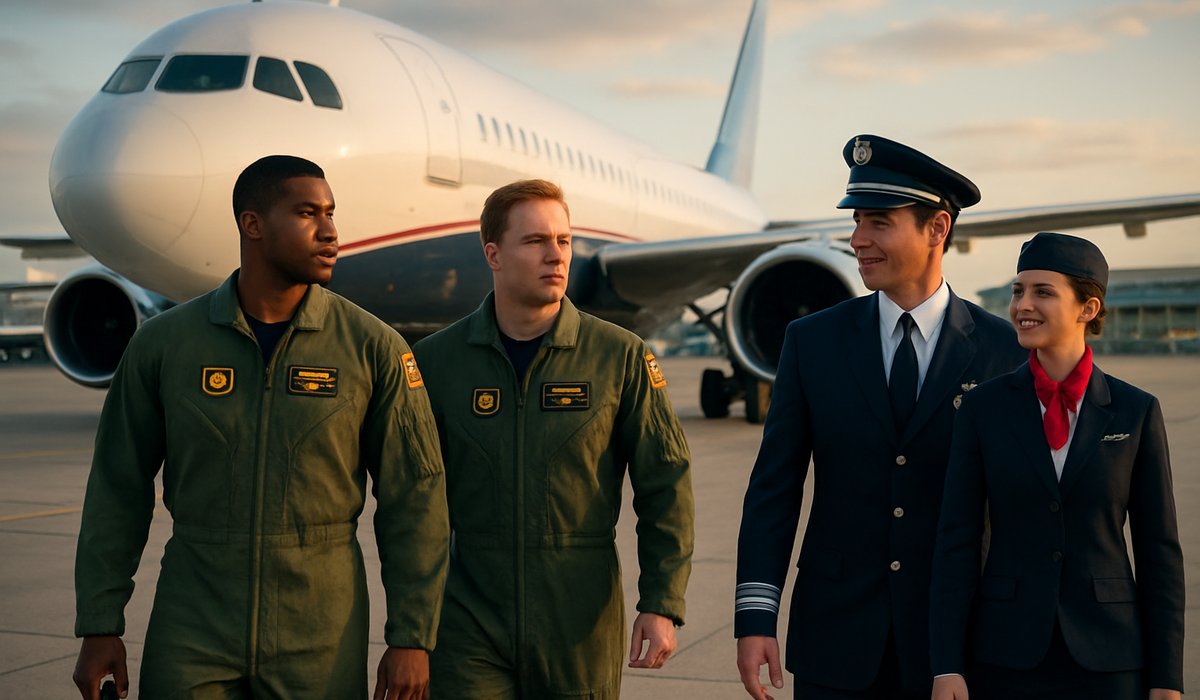
Image generated by AI
US Military Aviation Pay Gap Widens: Army Warrant Officers Earn Significantly Less Than Air Force Pilots in 2026
Compensation disparity between helicopter and fighter jet crews highlights structural inequities in armed forces salary structure
The Compensation Divide in US Military Aviation
A significant earnings gap exists between Army Aviation Warrant Officers and their counterparts in the US Air Force, with commissioned pilots commanding substantially higher compensation packages across all experience levels in 2026. This disparity underscores broader structural inequities within America's military aviation workforce, where aircraft type, service branch, and officer classification dramatically influence take-home pay.
Understanding the Service Branch Divide
Across the six US military service branches—excluding the Space Force—aviation operations form a critical operational pillar. While the Air Force, Navy, and Marine Corps maintain prominent fixed-wing fighter jet programs staffed primarily by commissioned officers, the Army operates the nation's largest helicopter fleet, relying heavily on Warrant Officer crews to execute rotary-wing missions.
This fundamental operational difference creates a two-tiered compensation structure. Warrant Officers, though highly trained specialists commanding multi-million-dollar aircraft platforms, occupy a unique enlisted-officer hybrid status that positions them below fully commissioned ranks on military pay scales.
The Financial Reality for Army Aviation Professionals
Army Aviation Warrant Officers—who pilot sophisticated platforms including UH-60 Black Hawks, AH-64 Apaches, and CH-47 Chinooks—receive compensation structured around their warrant rank classification. While these positions demand extensive flight training, technical expertise, and operational responsibility, their salary bands remain compressed relative to commissioned Air Force pilot positions.
By contrast, US Air Force pilots operating fighter jets and transport aircraft hold commissioned officer status, placing them on substantially higher pay grades regardless of years of service. The base salary differential can exceed $15,000-$25,000 annually at comparable experience levels, before factoring in specialized flight pay, hazard compensation, and career advancement bonuses.
Broader Industry Context and Military Retention Challenges
This pay structure reflects historical military compensation frameworks that distinguish between warrant and commissioned officer tracks. However, as civilian aviation sectors compete aggressively for skilled personnel—offering six-figure salaries and signing bonuses—the military's internal pay disparities compound retention challenges.
The Army's helicopter-centric aviation mission requires specialized expertise in rotary-wing operations that cannot be quickly replicated. Warrant Officers commanding these critical assets increasingly face economic incentives to transition into commercial aviation sectors, where qualifications and flight hours command premium compensation.
Looking Forward
The 2026 pay structures reveal an ongoing tension within US military compensation philosophy: whether to equalize pay across aviation specialties or maintain branch-specific hierarchies. As recruitment pressures intensify and operational demands grow, policymakers continue evaluating whether current compensation models adequately reflect the operational criticality and training investment required for modern military aviation roles.
Frequently Asked Questions
What is the salary difference between Army Warrant Officers and Air Force pilots? Army Aviation Warrant Officers typically earn $15,000-$25,000 less annually than commissioned Air Force pilots at equivalent experience levels, with gaps widening at senior ranks.
Why do Air Force pilots earn more than Army helicopter pilots? Commissioned officer status in the Air Force places pilots on higher military pay grades than Warrant Officer ranks, despite comparable operational responsibility and training investments.
How does military pilot pay compare to civilian aviation jobs? Commercial airline pilots and civilian helicopter operators often earn significantly more—frequently exceeding $150,000-$300,000 annually—creating recruitment pressures for military aviation branches.
Are there additional allowances for Army Aviation Warrant Officers? Yes, flight pay and hazard compensation supplements base salaries, though these typically do not close the gap with Air Force commissioned officer packages.
Will military aviation pay structures change in coming years? Congressional defense committees continue evaluating compensation reform, though significant structural changes require legislative action and budget reallocation across service branches.
Related Travel Guides
-
Goose Bay Airport Flight Delays: Air Borealis Cancels Regional Flights
-
Travel Canada Spain: Middle East Airspace Crisis Triggers Global Flight Chaos
External Resources
Disclaimer
This article is for informational and educational purposes only. It does not constitute legal, financial, or professional advice. While we strive to provide accurate and up-to-date information, travel policies, regulations, and conditions change rapidly. Always verify information with official sources before making travel decisions. Nomad Lawyer makes no representations about the accuracy, reliability, completeness, or suitability of the information provided. Readers should consult qualified professionals for advice specific to their circumstances. The views expressed in this article are those of the author and do not necessarily reflect the views of Nomad Lawyer.
Raushan Kumar
Founder & Lead Developer
Full-stack developer with 11+ years of experience and a passionate traveller. Raushan built Nomad Lawyer from the ground up with a vision to create the best travel and law experience on the web.
Learn more about our team →