
Boeing 787 Dreamliner Pilots Face Demanding Schedules as Compensation Packages Evolve in 2026
Breaking airline news and aviation industry updates for 2026.

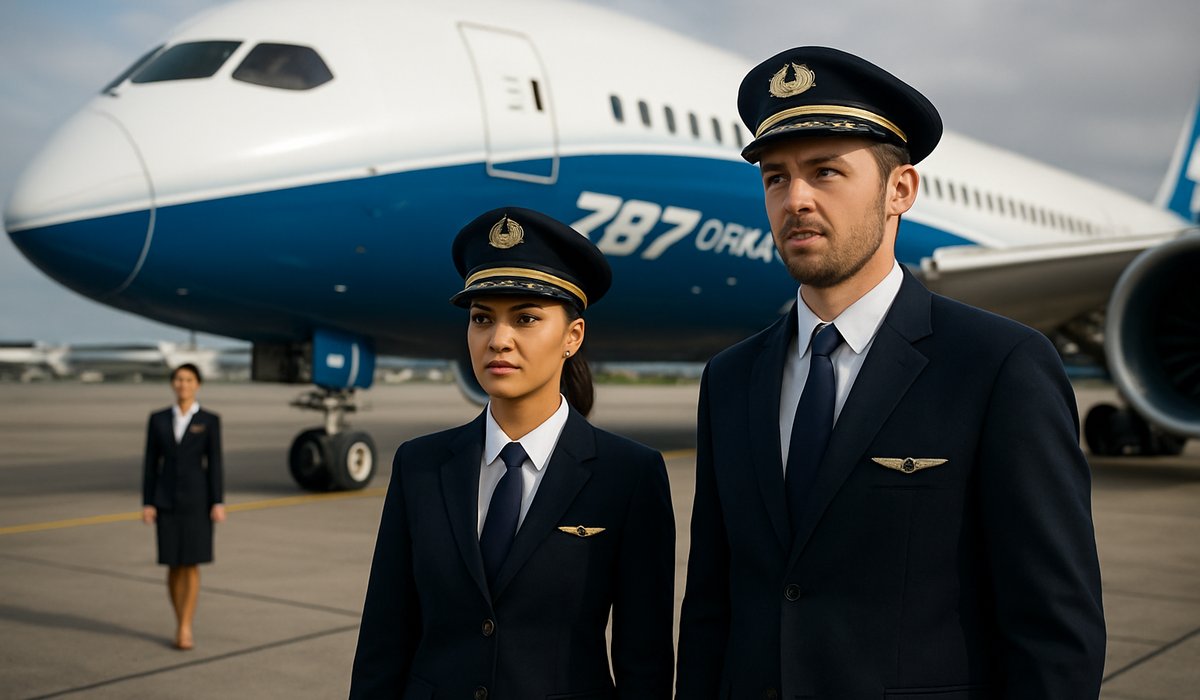
Image generated by AI
Boeing 787 Dreamliner Pilots Face Demanding Schedules as Compensation Packages Evolve in 2026
The aviation industry grapples with pilot retention amid unique operational challenges tied to wide-body aircraft operations
The Reality Behind the Cockpit
Operating one of the aviation industry's most advanced aircraft comes with exceptional demands that extend far beyond standard employment expectations. Boeing 787 Dreamliner pilots navigate a professional landscape shaped by unpredictable flight schedules, volatile weather systems, and geopolitical disruptions that can fundamentally alter operational planning at a moment's notice.
Unlike conventional office-based careers, Dreamliner pilot positions require sustained adaptability. Extended absences from home remain standard, with irregular shift patterns frequently demanding overnight operations and unsociable working hours that test both professional stamina and personal relationships.
The Operational Complexity Factor
The 787 Dreamliner's advanced avionics and long-range capabilities—designed to optimize fuel efficiency and reduce operational costs for airlines—paradoxically increase the complexity of pilot duties. These wide-body, twin-engine aircraft operate on intercontinental routes where weather systems, airspace restrictions, and maintenance schedules create constantly shifting operational parameters.
Current geopolitical tensions, including conflicts affecting international airspace and aviation infrastructure, have compounded scheduling unpredictability. Fuel price volatility—a persistent challenge throughout the post-pandemic aviation recovery—influences route planning and crew positioning, directly impacting pilot scheduling and fatigue management protocols.
Compensation Structures in Transition
As carriers compete for experienced pilot talent in an increasingly competitive labor market, compensation packages for Dreamliner-qualified pilots have undergone notable adjustments. Airlines recognize that retaining experienced crews capable of managing complex, long-haul operations requires competitive remuneration strategies.
The 2026 compensation environment reflects broader aviation industry dynamics, where pilot shortages in certain markets have strengthened negotiating positions for qualified professionals. Major carriers operating the 787 have revised pay scales, seniority structures, and benefits packages to address retention challenges.
Industry-Wide Labor Pressures
The pilot shortage affecting global aviation has created cascading effects across fleet operations. Airlines struggling to maintain adequate crew scheduling have prioritized retention of experienced long-haul specialists, particularly those qualified on fuel-efficient wide-body platforms like the 787.
This competitive environment contrasts sharply with historical aviation employment patterns, where supply exceeded demand. Contemporary pressures have fundamentally shifted power dynamics in pilot labor negotiations, influencing everything from base salaries to per-diem allowances and health benefits.
Looking Forward
As airlines continue navigating post-pandemic recovery while managing structural challenges—including sustained fuel costs, environmental regulations, and workforce constraints—pilot compensation strategies will remain under scrutiny. The 787's critical role in long-haul operations ensures that qualified pilots commanding these aircraft will remain valuable commodities in the aviation employment market.
FAQ: Boeing 787 Pilot Careers and Compensation
Q: What factors most significantly impact Boeing 787 pilot schedules? A: Unpredictable weather patterns, geopolitical events affecting airspace access, fuel price fluctuations influencing route planning, and maintenance requirements create constantly shifting operational demands for long-haul crews.
Q: How does pilot fatigue relate to airline operations and fees? A: Fatigue management protocols influence crew positioning costs, which airlines sometimes offset through adjusted ticket pricing and baggage charges, ultimately affecting passenger travel costs.
Q: Why are 787 pilot positions particularly demanding compared to other aircraft? A: The Dreamliner's advanced technology, extended range, and long-haul operational focus require elevated technical expertise and frequently result in longer consecutive hours away from home bases.
Q: How has the aviation industry's pilot shortage affected compensation structures? A: Reduced pilot supply across the industry has strengthened negotiating positions for experienced professionals, driving upward pressure on salaries, benefits, and retention packages throughout 2026.
Q: What role does jet fuel pricing play in pilot scheduling complexity? A: Fluctuating fuel costs directly influence route optimization and crew positioning strategies, forcing airlines to continuously adjust scheduling to maintain operational efficiency.
Related Travel Guides
Flight Delay Compensation Guide 2026
Understanding Airline Route Changes
Airport Security Process Updated (2026)
External Resources
Disclaimer
This article is for informational and educational purposes only. It does not constitute legal, financial, or professional advice. While we strive to provide accurate and up-to-date information, travel policies, regulations, and conditions change rapidly. Always verify information with official sources before making travel decisions. Nomad Lawyer makes no representations about the accuracy, reliability, completeness, or suitability of the information provided. Readers should consult qualified professionals for advice specific to their circumstances. The views expressed in this article are those of the author and do not necessarily reflect the views of Nomad Lawyer.
Preeti Gunjan
Contributor & Community Manager
A passionate traveller and community builder. Preeti helps grow the Nomad Lawyer community, fostering engagement and bringing the reader experience to life.
Learn more about our team →