
Hotels Five Green: Eco Hotels Launches Expansion Across India
Eco Hotels and Resorts unveils ambitious expansion plan in 2026, targeting five new sustainable properties across India by mid-year. The eco-focused chain aims for 5,000 rooms and 55 crore rupees revenue by decade's end.

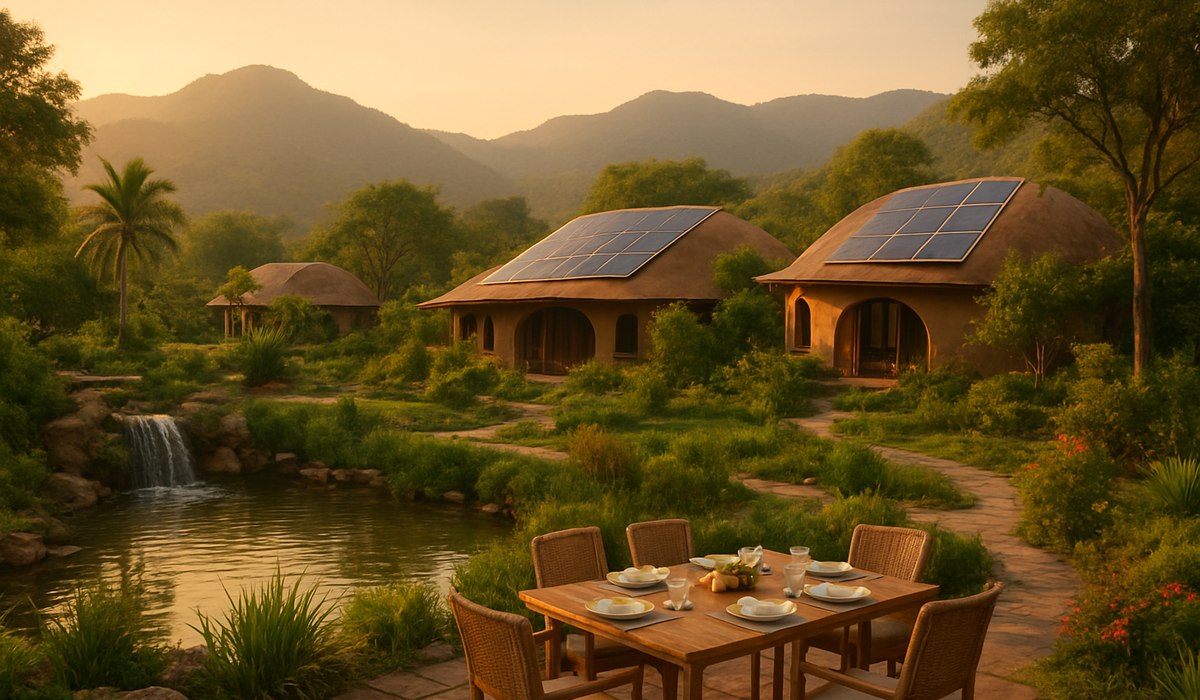
Image generated by AI
India's Sustainable Hospitality Chain Launches Aggressive Five-Property Rollout
Eco Hotels and Resorts is reshaping India's green hospitality landscape with an ambitious expansion strategy. The sustainable hotel operator plans to open five new eco-focused properties within months, marking a decisive shift from boutique operator to national network player. This growth initiative targets 55 crore rupees in annual revenue and positions the brand to reach 5,000 rooms across spiritual tourism hubs and emerging leisure destinations by 2030. The expansion reflects rising traveler demand for sustainable accommodations in India's pilgrimage circuits and secondary cities.
Rapid Expansion Strategy Targets Five New Properties
Eco Hotels and Resorts' board-approved growth plan includes five new hotel launches spanning the next three to four months as part of its 2026–27 financial roadmap. Corporate filings reveal a dramatic revenue projection: from less than 5 crore rupees previously to 55 crore rupees annually. This nearly 11-fold increase hinges on scaling room inventory while maintaining the brand's carbon-neutral operating philosophy.
The company's expansion blueprint prioritizes asset-light models, leveraging management contracts and long-term leases alongside selective greenfield developments. This dual approach accelerates rollout while mitigating balance-sheet exposure. Industry analysts note that execution remains critical, as Eco Hotels transitions from conceptual positioning to operational scale. The five-hotel initiative forms the foundation of a decade-long vision targeting thousands of rooms across India's tourism corridors and urban peripheries.
Market observers recognize the ambitious nature of this expansion against the company's modest operational history. Yet the timing aligns with India's accelerating demand for organized, sustainability-certified accommodations in emerging travel destinations beyond traditional metro-centric hospitality markets.
Asset-Light Model Accelerates Growth While Managing Risk
Eco Hotels and Resorts employs a capital-efficient strategy through franchise agreements and management contracts rather than full ownership of every property. This approach enables rapid geographic diversification without heavy debt burdens. By structuring deals through leases and operational partnerships, the brand can allocate capital toward brand development and sustainability certifications instead of real estate acquisition.
Management-contract arrangements allow local property owners to benefit from Eco Hotels' operational expertise and green hospitality positioning while retaining asset ownership. This model proves particularly attractive in secondary markets where land values are lower but tourism infrastructure remains underdeveloped. Financial analysts highlight that asset-light strategies reduce risk during scale-up phases, a crucial consideration given India's volatile hospitality market and uneven demand across regions.
The company's mix of greenfield development in strategic locations plus leased assets creates portfolio flexibility. Underperforming markets can be adjusted without liquidating owned properties. This risk management framework supports the ambitious 5,000-room target while maintaining financial discipline. Learn more about hospitality industry trends shaping asset-light strategies across Asia.
Mid-Premium Green Destinations Focus on Spiritual Tourism Hubs
Eco Hotels targets the mid-premium segment, positioning properties in India's fastest-expanding spiritual and religious tourism markets. A 33-room property already operates in Ayodhya, serving pilgrims and cultural tourists visiting the temple precinct. The hotel emphasizes satvik vegetarian cuisine and culturally aligned services, resonating with visitor expectations in pilgrimage destinations.
Two additional properties represent the brand's resort and leisure expansion: an Eco Boutique hotel in Udaipur (Rajasthan) scheduled for March 2026 and a wellness retreat in the Aravali mountain range. The Udaipur property targets heritage-focused travelers seeking luxury accommodations with transparent environmental credentials. The Aravali resort emphasizes outdoor activities, wellness programs, and nature immersion—aligning with emerging traveler preferences for rejuvenation stays.
Beyond spiritual hubs, Eco Hotels is entering secondary metropolitan markets. A signed greenfield project in Dombivli (Mumbai metropolitan region) signals the brand's intent to capture domestic leisure and business travelers in satellite cities. These mid-premium properties feature energy-efficient systems, water conservation protocols, and low-carbon operational models. Such positioning differentiates Eco Hotels from conventional chains while addressing growing consumer preference for sustainable travel options.
Explore Udaipur's heritage tourism landscape and emerging sustainable hospitality models across India's pilgrimage circuits.
Execution Critical as Brand Scales Beyond Concept Phase
The expansion from concept to operational network presents execution challenges. Eco Hotels' recent financial position shows operational losses despite conceptual market appeal. Delivering five properties within months requires coordinated supply-chain management, skilled staffing, and quality-assurance oversight across geographically dispersed locations.
Key execution risks include maintaining sustainability standards as properties multiply, managing brand consistency across franchise partnerships, and ensuring reliable occupancy rates in emerging destinations. Market research indicates that spiritual tourism and secondary-city travel markets show strong growth trajectories, yet customer acquisition costs remain higher than established metro properties.
The company must demonstrate that green positioning commands price premiums sufficient to offset operational costs. Industry coverage highlights that early-mover advantage favors Eco Hotels in India's eco-hospitality segment, yet established luxury chains now launch sustainability initiatives that threaten differentiation. Brand visibility, verified environmental certifications, and authentic guest experiences will determine whether the expansion achieves its 5,000-room vision by 2030.
Monitoring property openings, occupancy metrics, and financial performance will reveal execution success. Travelers and investors should track quarterly filings and hospitality sector reports for evidence that the ambitious rollout meets timeline and financial targets.
What Guests Get
Hotels five green properties deliver measurable sustainability features alongside mid-premium amenities. Guest experiences include:
-
Energy-Efficient Systems: Buildings utilize LED lighting, solar panels, and smart climate controls reducing electricity consumption by 30–40% versus conventional hotels.
-
Water Conservation: Advanced filtration, rainwater harvesting, and low-flow fixtures minimize water wastage on property grounds.
-
Organic and Local Cuisine: Restaurants prioritize vegetarian and satvik menus sourced from regional suppliers, reducing transportation carbon footprint.
-
Wellness Programming: Properties offer yoga, meditation, and outdoor activities aligned with guest interest in holistic rejuvenation.
-
Transparent Environmental Reporting: Eco Hotels provides guests with property-level carbon-footprint data and conservation impact metrics.
-
Cultural Alignment: Spiritual-destination properties integrate local customs, art, and architectural traditions into guest experiences.
-
Convenient Booking: Book directly via Eco Hotels and Resorts official website or through Booking.com, comparing rates and reading verified guest reviews.
| Property | Location | Expected Opening | Segment | Room Count | Key Focus |
|---|---|---|---|---|---|
| Ayodhya Eco Hotel | Ayodhya, Uttar Pradesh | Operational | Mid-Premium | 33 rooms | Spiritual tourism, satvik cuisine |
| Eco Boutique Udaipur | Udaipur, Rajasthan | March 2026 | Luxury Boutique | TBD | Heritage leisure, landscape views |
| Aravali Wellness Retreat | Aravali Range | March 2026 | Resort | TBD | Nature immersion, outdoor activities |
| Dombivli Metro Property | Dombivli, Mumbai region | 2026–27 | Mid-Premium | TBD | Business and domestic leisure |
| Portfolio Target | Across India | By 2030 | Mid-Premium | 5,000 rooms | National network expansion |
| Revenue Projection | All Properties | 2026–27 | Annual | 55 |
Disclaimer
This article is for informational and educational purposes only. It does not constitute legal, financial, or professional advice. While we strive to provide accurate and up-to-date information, travel policies, regulations, and conditions change rapidly. Always verify information with official sources before making travel decisions. Nomad Lawyer makes no representations about the accuracy, reliability, completeness, or suitability of the information provided. Readers should consult qualified professionals for advice specific to their circumstances. The views expressed in this article are those of the author and do not necessarily reflect the views of Nomad Lawyer.
Kunal K Choudhary
Co-Founder & Contributor
A passionate traveller and tech enthusiast. Kunal contributes to the vision and growth of Nomad Lawyer, bringing fresh perspectives and driving the community forward.
Learn more about our team →