
Hotel Food Waste Crisis: 11 Chains Pledge UN Targets by 2026
Eleven major hotel chains including Accor, Hilton, and Melia commit to halving hotel food waste by 2026, targeting buffet operations as part of UN climate sustainability goals.

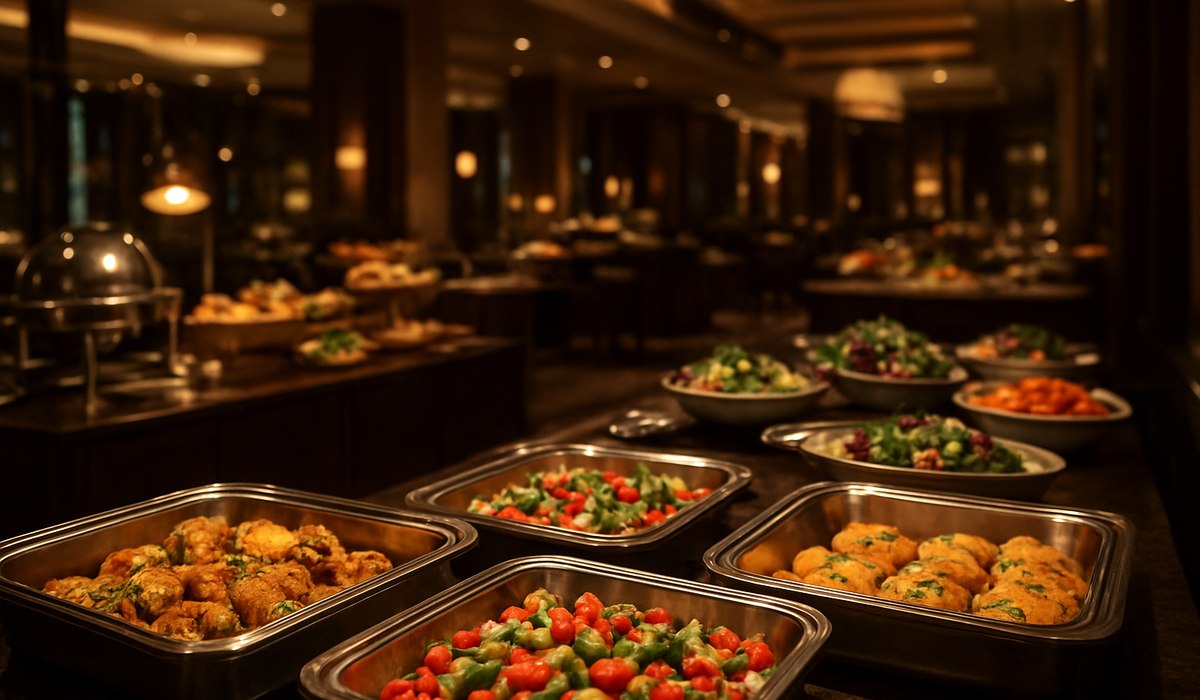
Image generated by AI
Major Hotel Groups Join UN Food Waste Campaign
Eleven leading hospitality companies have publicly committed to reducing hotel food waste by fifty percent, aligning with the United Nations' ambitious sustainability targets. The pledge represents a watershed moment for the travel industry, bringing together global powerhouses like Accor, Hilton International, and Melia Hotels. This coordinated effort signals genuine momentum toward measurable environmental impact within one of travel's most resource-intensive sectors.
The initiative extends beyond boardroom announcements. Hotels are implementing concrete operational changes designed to deliver real results. Buffet services have emerged as the primary intervention point, offering the quickest path to meaningful waste reduction without compromising guest experiences.
Buffets: The Low-Hanging Fruit for Waste Reduction
Buffet operations generate disproportionate amounts of hotel food waste compared to à la carte dining. Uneaten food piles up rapidly during meal services, creating significant disposal challenges. Hotel operators have identified buffet redesign as the fastest route toward their fifty-percent reduction target.
Industry leaders are deploying data-driven strategies to optimize buffet operations. Portion sizing, real-time monitoring systems, and predictive demand forecasting help hotels stock appropriate quantities. Many properties now use artificial intelligence to analyze guest consumption patterns across different meal times and seasons.
Guest experience remains paramount during this transition. Hotels are discovering that thoughtfully curated, smaller buffet spreads often satisfy diners more effectively than oversized offerings. Smaller portions encourage exploration without overwhelming plates. This psychological shift reduces both waste and caloric consumption per visitor. Learn more about sustainable hospitality practices through the UN World Tourism Organization's initiatives.
How Hotels Plan to Cut Waste in Half
The reduction strategy encompasses multiple operational layers. Food procurement practices are shifting toward demand-based ordering rather than speculative bulk purchasing. Kitchen staff receive enhanced training in portion control and creative repurposing of trim items.
Technology investments are accelerating across hotel chains. Digital tracking systems monitor inventory from delivery through plate disposal. Staff members receive real-time alerts when certain items approach waste thresholds. Some properties partner with food recovery organizations to donate surplus prepared items to local communities.
Menu engineering represents another critical lever. Chefs are designing offerings that minimize trim waste during preparation. Root vegetables, leafy greens, and protein byproducts find secondary applications in stocks, broths, and staff meals. This closed-loop thinking transforms waste management from a cost center into a culinary opportunity.
Transportation logistics also receive attention. Hotels are consolidating supplier visits to reduce packaging waste and spoilage during transit. Local sourcing initiatives shorten supply chains while supporting regional farmers and reducing transportation emissions. Discover Hilton's sustainability roadmap for insight into major chain commitments.
Climate Impact and Industry Leadership
Food waste represents a serious climate crisis. Decomposing organic matter in landfills generates methane, a greenhouse gas roughly thirty times more potent than carbon dioxide. The hospitality sector alone wastes approximately ten million tons of food annually, translating to massive environmental cost.
Hotel food waste reduction directly supports the UN's Sustainable Development Goals, particularly climate action and responsible consumption targets. By halving waste, these eleven companies will prevent thousands of tons of methane emissions annually. The ripple effects extend through supply chains, influencing agricultural practices and transportation methodologies.
Industry leadership matters enormously in sustainability transitions. When major brands commit publicly to environmental targets, smaller properties follow suit. Accor's commitment influences independent hotels within its portfolio. Hilton's pledge encourages competitors to establish comparable benchmarks. This competitive pressure creates positive market momentum.
The hospitality sector's climate responsibility carries additional weight because travel itself generates significant emissions. Hotels offsetting internal waste demonstrates credible commitment to carbon neutrality. Guests increasingly evaluate properties based on sustainability credentials. Forward-thinking operators recognize environmental stewardship as competitive advantage.
What Guests Get
Travelers benefit substantially from these waste-reduction initiatives, though benefits manifest subtly:
-
Enhanced Food Quality – Smaller, carefully curated buffets feature fresher, more intentional selections rather than lukewarm, hours-old dishes sitting under heat lamps.
-
Faster Service – Streamlined buffet lines move more efficiently when offerings are consolidated. Morning breakfast and dinner service begins faster without overcrowded stations.
-
Premium Sourcing – Funds redirected from waste reduction reinvest in local, higher-quality ingredients. Guests enjoy superior taste profiles and freshness.
-
Cleaner Facilities – Reduced food waste means faster kitchen turnover, cleaner dining areas, and more thorough equipment sanitization between services.
-
Environmental Alignment – Conscious travelers appreciate staying at properties demonstrating genuine sustainability commitments rather than superficial green-washing.
-
Price Stability – Operational efficiency from waste reduction helps hotels maintain competitive pricing despite inflation in food costs.
Key Metrics and Timeline
| Metric | Baseline | 2026 Target | Implementation |
|---|---|---|---|
| Hotel Food Waste Reduction | 100% | 50% | Buffet redesign, AI tracking |
| Participating Global Chains | — | 11 major groups | Accor, Hilton, Melia leadership |
| Landfill Methane Prevention | — | 5,000+ tons CO2e annually | Supply chain optimization |
| Kitchen Technology Adoption | 30% of properties | 75% + | Digital inventory systems |
| Food Recovery Partnerships | Limited scope | Expanded to 500+ properties | Community donation programs |
| Staff Training Completion | Baseline | 100% of culinary teams | Waste-reduction certification |
FAQ
What is hotel food waste, and why does it matter in 2026?
Hotel food waste encompasses uneaten meals, spoiled ingredients, and trim discarded during food preparation. It matters because hospitality accounts for massive environmental impact through methane emissions and resource inefficiency. The 2026 commitments represent the industry's most serious attempt to address this problem systematically.
How do buffets contribute disproportionately to hotel food waste?
Buffets require extensive advance preparation and simultaneous availability of numerous dishes. Uneaten food cannot return to kitchen use after guest contact, mandating immediate disposal. A la carte systems prepare items only after orders arrive, reducing speculation and waste substantially.
Which hotel chains committed to the fifty-percent reduction target?
Eleven major companies made public pledges, with Accor, Hilton, and Melia among the most prominent. Other signatories include additional global operators representing hundreds of thousands of rooms across multiple continents, though specific naming requires verification through official UN sources.
How will I notice these changes during my hotel stay?
Most guests will experience improvements as food freshness, smaller breakfast lines, higher ingredient quality, and cleaner dining facilities. Some properties may offer smaller buffet selections. These changes enhance rather than diminish guest experience through strategic curation.
Related Travel Guides
- Starhotels Italy Reports Record €340 Million Revenue in 2025 with Strategic Expansion into Capri and Forte dei Marmi
- Grand Nikko Bangkok Sathorn Debuts Japanese Luxury in CBD 2026
- Discover the New OUTRIGGER Phi Phi Island Resort: A Luxurious Eco-Friendly Sanctuary Nestled in Thailand’s Stunning National Park
Disclaimer
This article draws from publicly available information regarding UN sustainability initiatives and hotel industry commitments announced in April 2026. While information reflects current industry announcements, specific implementation timelines and results vary by property and region. For precise details about food waste reduction practices at your intended hotel, contact the property directly or consult official hotel websites and Booking.com. Environmental commitments represent forward-looking statements subject to change. Always verify sustainability claims and current dining options before booking your accommodation.
Disclaimer
This article is for informational and educational purposes only. It does not constitute legal, financial, or professional advice. While we strive to provide accurate and up-to-date information, travel policies, regulations, and conditions change rapidly. Always verify information with official sources before making travel decisions. Nomad Lawyer makes no representations about the accuracy, reliability, completeness, or suitability of the information provided. Readers should consult qualified professionals for advice specific to their circumstances. The views expressed in this article are those of the author and do not necessarily reflect the views of Nomad Lawyer.
Raushan Kumar
Founder & Lead Developer
Full-stack developer with 11+ years of experience and a passionate traveller. Raushan built Nomad Lawyer from the ground up with a vision to create the best travel and law experience on the web.
Learn more about our team →